 EN
EN
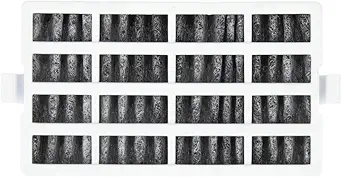
The dryer lint filter serves as your appliance's first line of defense against debris accumulation and potential hazards. This seemingly simple component plays a crucial role in maintaining your dryer's efficiency, safety, and longevity. Understanding the importance of regular dryer lint filter maintenance can save you money on energy bills, prevent costly repairs, and most importantly, protect your home from fire risks. Many homeowners underestimate the impact that a clogged or neglected dryer lint filter can have on their daily lives and household safety.
Understanding Dryer Lint Filter Function and Design
How Lint Filters Capture Debris
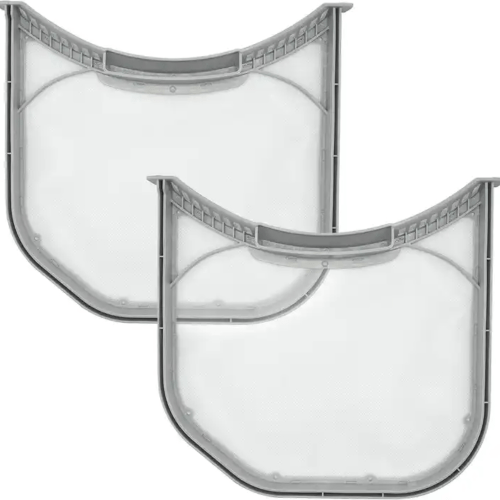
The dryer lint filter operates through a mesh screening system that traps fabric fibers, pet hair, and other particles released during the drying process. As heated air circulates through your clothes, tiny fibers naturally separate from fabrics and become airborne. The dryer lint filter intercepts these particles before they can travel through the ventilation system or accumulate inside the dryer drum. This filtration process ensures that only clean air exits through your home's exterior vent, preventing outdoor lint accumulation and maintaining proper airflow dynamics.
Modern dryer lint filter designs incorporate fine mesh materials that balance effective filtration with adequate airflow. The filter's strategic placement allows it to capture maximum debris while minimizing resistance to air circulation. When functioning properly, the dryer lint filter removes approximately ninety percent of lint particles generated during each drying cycle. This high efficiency rate demonstrates why maintaining clean filters is essential for optimal dryer performance and household safety.
Components That Work Together
The dryer lint filter system includes several interconnected components that ensure comprehensive debris removal. The primary filter screen sits within a housing unit that directs airflow through the mesh material. Secondary filtration may occur through additional screens or baffles designed to catch particles that bypass the main filter. Understanding these components helps homeowners appreciate the complexity of seemingly simple dryer lint filter systems and the importance of keeping each element clean and functional.
Filter housing units feature precise engineering to maintain proper seal integrity and airflow patterns. When the dryer lint filter fits correctly within its housing, it creates an effective barrier against lint migration while allowing unrestricted air movement. Damaged or improperly installed filters compromise this delicate balance, leading to reduced efficiency and potential safety hazards. Regular inspection of both the filter and housing ensures optimal system performance throughout your dryer's operational life.
Fire Prevention and Safety Considerations
Understanding Fire Risk Statistics
Residential dryer fires represent a significant home safety concern, with thousands of incidents reported annually across the United States. The majority of these fires result from inadequate dryer lint filter maintenance and excessive lint accumulation within ventilation systems. Lint consists of highly combustible organic fibers that ignite easily when exposed to high temperatures generated during normal dryer operation. A clogged dryer lint filter forces heated air to recirculate, creating dangerous temperature spikes that can ignite accumulated debris.
Fire department statistics reveal that failure to clean dryer lint filters contributes to approximately thirty-four percent of residential dryer fires. These incidents cause millions of dollars in property damage annually and pose serious risks to occupant safety. The combination of heat, combustible materials, and restricted airflow creates ideal conditions for rapid fire development. Understanding these risks emphasizes the critical importance of maintaining clean dryer lint filter systems as part of comprehensive home fire prevention strategies.
Heat Buildup and Temperature Control
Excessive lint accumulation in the dryer lint filter disrupts normal heat dissipation patterns, causing dangerous temperature increases throughout the appliance. When airflow becomes restricted, heated air cannot exit efficiently through the ventilation system, leading to heat buildup within the dryer cabinet and ductwork. These elevated temperatures exceed design specifications and create conditions conducive to lint ignition. Modern dryers include safety features like thermal fuses and overheat protection, but these systems cannot completely eliminate fire risks associated with severely clogged filters.
Temperature monitoring systems in quality dryers provide some protection against overheating, but they cannot compensate for the fundamental problems caused by dirty dryer lint filter systems. When sensors detect excessive heat, they may shut down the dryer temporarily or reduce heating element output. However, repeated overheating cycles stress appliance components and may lead to safety system failures over time. Maintaining clean filters prevents these temperature extremes and ensures that safety systems function as designed.
Energy Efficiency and Cost Implications
Impact on Drying Time and Energy Consumption
A clean dryer lint filter significantly improves appliance efficiency by maintaining optimal airflow rates throughout the drying cycle. When filters become clogged with debris, air circulation decreases substantially, forcing the dryer to work harder and longer to achieve desired moisture removal. This extended operation time translates directly into increased energy consumption and higher utility bills. Studies demonstrate that severely clogged filters can increase drying times by fifty percent or more, dramatically impacting household energy costs.
Energy efficiency improvements from proper dryer lint filter maintenance extend beyond reduced drying times. Clean filters allow heating elements to operate more efficiently by maintaining proper air circulation patterns. When heated air moves freely through the system, it carries moisture away from clothes more effectively, reducing the energy required for each drying cycle. This improved efficiency can result in substantial cost savings over the dryer's operational lifetime, making filter maintenance a smart financial investment.
Long-term Appliance Longevity
Regular dryer lint filter cleaning extends appliance lifespan by reducing mechanical stress on critical components. When filters become clogged, the dryer motor must work harder to maintain airflow, leading to premature wear and potential failure. Heating elements also experience increased stress when operating in restricted airflow conditions, often resulting in shortened component life and costly repairs. Maintaining clean filters helps ensure that all dryer components operate within design parameters, maximizing equipment longevity and reliability.
The financial benefits of proper dryer lint filter maintenance extend well beyond energy savings to include reduced repair costs and delayed replacement expenses. Dryers operating with clean filters typically require fewer service calls and experience lower component failure rates. When major repairs become necessary, the costs often approach or exceed the price of a new appliance, making preventive maintenance through regular filter cleaning an economically sound practice for budget-conscious homeowners.
Proper Maintenance Techniques and Best Practices
Daily and Weekly Cleaning Procedures
Establishing consistent dryer lint filter cleaning routines ensures optimal appliance performance and safety. Remove and inspect the filter before or after each load to assess lint accumulation levels and overall filter condition. Gently remove visible lint by hand or with a soft brush, taking care not to damage the delicate mesh material. For daily maintenance, a simple visual inspection and light cleaning typically suffice to maintain adequate airflow through the dryer lint filter system.
Weekly deep cleaning procedures involve more thorough filter washing to remove soap residue, fabric softener buildup, and embedded particles that resist simple brushing. Rinse the dryer lint filter under warm running water, using a soft brush to gently scrub away accumulated residue. Allow the filter to dry completely before reinstalling to prevent moisture-related problems within the dryer cabinet. This comprehensive cleaning approach ensures that the filter maintains maximum effectiveness between replacement intervals.
Signs of Filter Replacement Needs
Recognizing when to replace rather than clean your dryer lint filter prevents performance degradation and safety issues. Physical damage such as tears, holes, or bent mesh areas compromises filtration effectiveness and requires immediate filter replacement. Persistent odors that remain after thorough cleaning may indicate bacterial growth or chemical contamination that cannot be removed through normal maintenance procedures. When cleaning efforts fail to restore proper airflow or filter appearance, replacement becomes necessary to maintain appliance safety and efficiency.
Age-related deterioration affects even well-maintained dryer lint filter systems over time. Mesh materials gradually lose structural integrity through repeated heating and cooling cycles, washing, and normal handling stress. Filters showing signs of permanent discoloration, reduced flexibility, or persistent residue accumulation should be replaced promptly. Investing in quality replacement filters ensures continued protection against lint accumulation and maintains optimal dryer performance throughout the appliance's operational life.
Professional Installation and Troubleshooting
When to Seek Professional Help
Complex dryer lint filter problems may require professional diagnosis and repair to ensure safe and effective solutions. Persistent lint accumulation despite regular cleaning often indicates issues beyond simple filter maintenance, such as damaged ductwork, improper installation, or ventilation system problems. Professional technicians possess specialized tools and expertise to identify and correct these underlying issues that homeowners cannot address safely or effectively on their own.
Unusual operating symptoms like extended drying times, excessive heat buildup, or strange odors may signal serious problems requiring immediate professional attention. These warning signs could indicate blocked ventilation, damaged dryer lint filter housing, or malfunctioning safety systems that pose fire risks. Professional evaluation helps determine whether simple maintenance, component replacement, or more extensive repairs are necessary to restore safe and efficient dryer operation.
Quality Replacement Options
Selecting appropriate replacement dryer lint filter components ensures continued appliance safety and performance. OEM filters designed specifically for your dryer model provide guaranteed compatibility and optimal filtration effectiveness. These genuine parts maintain exact dimensional specifications and materials quality required for proper fit and function within existing filter housing systems. While aftermarket alternatives may offer cost savings, they sometimes compromise filtration efficiency or durability compared to manufacturer-specified components.
Quality replacement filters incorporate advanced materials and construction techniques that enhance durability and cleaning effectiveness. Look for filters featuring reinforced mesh construction, corrosion-resistant materials, and precise manufacturing tolerances that ensure proper fit within existing housing units. Investing in quality components reduces replacement frequency and maintains consistent dryer lint filter performance throughout extended service intervals, providing better long-term value despite higher initial costs.
FAQ
How often should I clean my dryer lint filter
Clean your dryer lint filter before or after every single load of laundry to maintain optimal performance and safety. This frequent cleaning prevents lint accumulation that can restrict airflow and create fire hazards. For households with heavy laundry usage, checking the filter multiple times per day may be necessary to ensure adequate debris removal and prevent system overload.
Can I wash my dryer lint filter with soap and water
Yes, washing your dryer lint filter with warm water and mild detergent helps remove fabric softener residue and embedded particles that resist brushing. Use a soft brush to gently scrub the mesh surface, then rinse thoroughly and allow complete drying before reinstalling. Perform this deep cleaning weekly or whenever you notice reduced airflow through the clean filter.
What happens if I never clean my dryer lint filter
Neglecting dryer lint filter maintenance leads to dangerous lint accumulation, significantly increased fire risk, reduced energy efficiency, and premature appliance failure. Severely clogged filters can cause dangerous overheating, dramatically extended drying times, and potential safety system failures. The combination of these factors creates serious safety hazards and substantial financial costs through higher energy bills and repair expenses.
How do I know if my dryer lint filter needs replacement
Replace your dryer lint filter when you notice physical damage like tears or holes, persistent odors after cleaning, or significantly reduced airflow despite thorough maintenance. Filters showing permanent discoloration, loss of structural integrity, or inability to achieve proper cleanliness through normal washing require immediate replacement to maintain safety and efficiency standards.