
 EN
EN
Seasonal allergies affect millions of people worldwide, causing discomfort through sneezing, watery eyes, and respiratory irritation. While many individuals turn to medications for relief, air purification technology has emerged as a complementary solution that addresses allergens at their source. Air purifiers equipped with high-efficiency filtration systems can significantly reduce airborne particles that trigger allergic reactions, making indoor environments more comfortable during peak allergy seasons.
The effectiveness of air filtration systems largely depends on the quality and specifications of their filter components. Modern air purifiers utilize various filtration technologies, with HEPA filters being recognized as the gold standard for capturing microscopic allergens. Understanding how these systems work and their specific capabilities against seasonal allergens helps consumers make informed decisions about indoor air quality management.
Understanding Seasonal Allergen Types and Sources
Common Outdoor Allergens That Enter Homes
Tree pollen represents one of the most prevalent seasonal allergens, typically peaking during spring months when deciduous trees release microscopic particles into the atmosphere. These particles can easily infiltrate indoor spaces through open windows, doors, and ventilation systems, settling on surfaces and remaining airborne for extended periods. Oak, maple, birch, and cedar trees are among the most significant contributors to seasonal allergy symptoms.
Grass pollen becomes problematic during late spring and early summer, affecting individuals who spend time outdoors or live in areas with extensive lawn coverage. Unlike tree pollen, grass pollen tends to be released closer to ground level, making it more likely to be tracked indoors on clothing, shoes, and pets. Timothy grass, Bermuda grass, and ryegrass are common culprits that can cause persistent allergic reactions.
Indoor Allergen Accumulation Patterns
Ragweed pollen dominates fall allergy seasons, with a single plant capable of producing billions of pollen grains that can travel hundreds of miles through wind currents. This allergen is particularly challenging because it can remain viable for extended periods and tends to peak during early morning hours when many people are beginning their daily routines. Indoor accumulation occurs through natural air exchange and human activity.
Mold spores present year-round challenges but intensify during humid seasons when outdoor moisture levels create optimal growing conditions. These microscopic particles can enter homes through various pathways and establish colonies in areas with adequate moisture, creating ongoing allergen sources that persist beyond typical pollen seasons. Controlling indoor humidity levels becomes crucial for managing mold-related allergies.
HEPA Filtration Technology and Allergen Capture
Particle Size and Filtration Efficiency
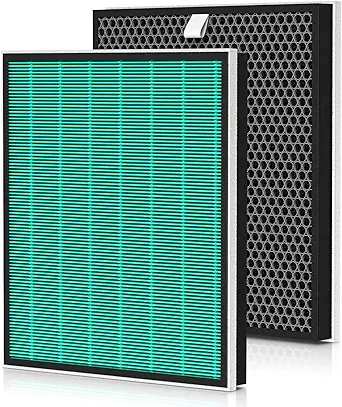
HEPA filters are engineered to capture particles as small as 0.3 microns with 99.97% efficiency, making them highly effective against most common allergens. Pollen particles typically range from 10 to 100 microns, while mold spores fall between 1 to 30 microns, placing both well within the capture range of quality filtration systems. The multi-layered construction of these filters creates a maze-like pathway that traps particles through various mechanisms including impaction, interception, and diffusion.
The effectiveness of allergen capture depends not only on particle size but also on air flow rates and filter maintenance schedules. A HEPA replacement filter maintains optimal performance when changed according to manufacturer recommendations, typically every 6 to 12 months depending on usage conditions and environmental factors. Clogged or degraded filters can significantly reduce system efficiency and allow allergens to bypass filtration.
Multi-Stage Filtration Benefits
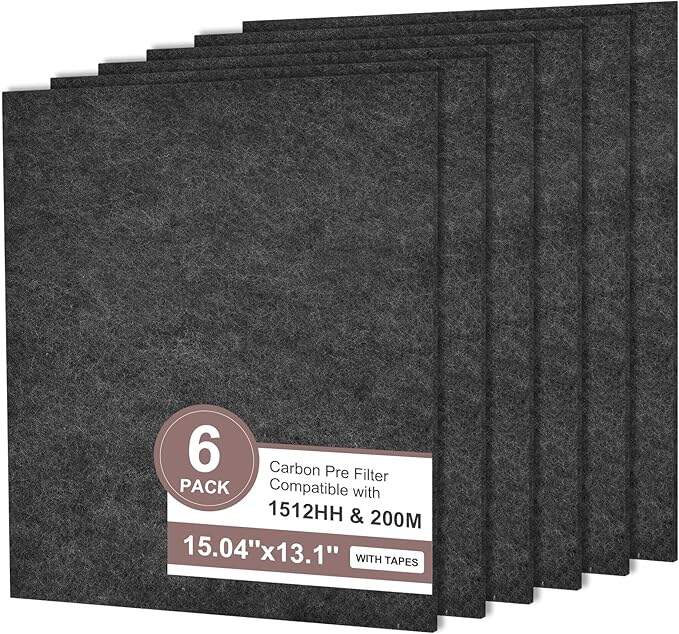
Advanced air purification systems incorporate pre-filters that capture larger particles before they reach the primary HEPA filter, extending filter life and maintaining consistent performance. These preliminary stages remove dust, pet hair, and larger debris that could otherwise compromise the fine filtration capabilities of subsequent filter layers. Carbon-based filters may also be included to address odors and volatile organic compounds that often accompany seasonal allergen exposure.
The combination of multiple filtration stages creates comprehensive protection against diverse allergen types while optimizing system longevity. Pre-filters can typically be cleaned or replaced more frequently and at lower cost than primary filters, making maintenance more economical. This staged approach ensures that expensive components like HEPA filters focus primarily on microscopic particles rather than handling all debris types.
Clinical Evidence and Real-World Performance
Research Studies on Air Purifier Effectiveness
Multiple peer-reviewed studies have demonstrated significant reductions in airborne allergen concentrations when HEPA-based air purifiers are used consistently in residential settings. Research conducted by the American Academy of Allergy, Asthma, and Immunology found that participants using air purifiers experienced measurable improvements in symptom severity during peak pollen seasons. These improvements were most pronounced in bedrooms where individuals spend extended periods during sleep.
Laboratory testing confirms that properly functioning air purifiers can reduce particulate matter concentrations by 85-95% within enclosed spaces when operated continuously. However, real-world effectiveness varies based on factors such as room size, air exchange rates, and the presence of ongoing allergen sources. Studies indicate that benefits become apparent within hours of operation and continue to improve over several days of consistent use.
User Experience and Symptom Relief
Consumer reports and medical case studies consistently show correlations between air purifier use and reduced allergy medication dependency during seasonal peaks. Individuals with severe pollen allergies report fewer nighttime symptoms and improved sleep quality when air purifiers operate in bedrooms during high-pollen periods. The most significant benefits occur when air purification is combined with other allergen avoidance strategies such as keeping windows closed and showering before bedtime.
Healthcare providers increasingly recommend air purification as part of comprehensive allergy management plans, particularly for patients with asthma or severe seasonal sensitivities. The reduction in airborne allergen exposure can decrease the frequency and severity of allergic reactions, potentially reducing the need for rescue medications and improving overall quality of life during challenging seasons.
Optimal Placement and Usage Strategies
Room Selection and Positioning Guidelines
Bedroom placement offers the greatest benefit for allergy sufferers since people spend approximately one-third of their time sleeping and are most vulnerable to allergen exposure during rest periods. Positioning air purifiers away from walls and furniture ensures unrestricted airflow and maximizes circulation throughout the space. Units should be placed at least three feet from walls and avoid locations near heat sources or areas with high humidity that might affect filter performance.
Living areas and home offices represent secondary priority locations where individuals spend significant daytime hours and allergen exposure can impact productivity and comfort. Multiple smaller units often provide better coverage than single large units, particularly in homes with complex layouts or multiple levels. Central HVAC integration offers whole-house protection but requires professional installation and specialized filter systems.
Operational Best Practices
Continuous operation during allergy seasons provides superior protection compared to intermittent use, as allergen concentrations can rebound quickly when filtration stops. Many modern units include automatic sensors that adjust fan speeds based on detected particle levels, optimizing energy efficiency while maintaining protection. Running units on higher speeds during peak pollen times, typically early morning and evening hours, enhances particle capture during critical periods.
Maintenance schedules should align with seasonal allergen patterns, with filter replacements timed before peak exposure periods to ensure optimal performance when protection is most needed. Pre-season maintenance checks help identify potential issues before allergy symptoms become problematic. Regular cleaning of unit exteriors and air intake areas prevents dust accumulation that can reduce efficiency.
Cost-Effectiveness and Long-Term Benefits
Financial Comparison with Alternative Treatments
The initial investment in quality air purification systems often proves economical when compared to ongoing costs of allergy medications, doctor visits, and lost productivity due to symptoms. Over-the-counter antihistamines and nasal sprays can cost several hundred dollars annually for individuals with severe seasonal allergies, while prescription medications may exceed these amounts significantly. Air purifiers provide multi-year service with only periodic filter replacement costs.
Energy consumption for modern air purifiers typically adds $50-150 annually to electricity bills, depending on unit size and usage patterns. This ongoing cost remains relatively stable compared to medication prices that tend to increase over time. Many users find that reduced healthcare costs and improved quality of life during allergy seasons justify the investment within the first year of operation.
Property Value and Health Investment
Indoor air quality improvements contribute to overall home value and appeal to health-conscious buyers who recognize the benefits of existing air purification infrastructure. Professional-grade systems can be considered permanent home improvements that enhance livability and reduce ongoing maintenance concerns related to dust and allergen accumulation on furnishings and surfaces.
The long-term health benefits of reduced allergen exposure may extend beyond symptom relief to include decreased risk of developing new sensitivities and reduced likelihood of allergy-triggered asthma complications. Preventive health measures often prove more cost-effective than reactive treatments, particularly for families with multiple allergy sufferers who can share the benefits of improved indoor air quality.
FAQ
How quickly do air purifiers reduce allergen levels in a room
Most HEPA air purifiers begin reducing airborne allergen concentrations within 30 minutes of operation, with significant improvements typically visible within 2-4 hours in average-sized rooms. Maximum effectiveness usually occurs after 24-48 hours of continuous operation, allowing the system to cycle through the room's air volume multiple times and capture particles that may be stirred up by normal activities.
Can air purifiers completely eliminate seasonal allergy symptoms
While air purifiers significantly reduce indoor allergen concentrations and can substantially improve symptoms, they work best as part of a comprehensive allergy management strategy rather than as standalone solutions. Combining air purification with other measures such as regular cleaning, humidity control, and appropriate timing of outdoor activities typically provides the most complete symptom relief.
What filter replacement schedule provides optimal protection during allergy season
Filter replacement timing should consider both manufacturer recommendations and seasonal allergen patterns, with many experts suggesting replacement before peak pollen seasons begin. During heavy allergen periods, filters may require more frequent replacement than standard schedules indicate, particularly in areas with high outdoor allergen concentrations or homes with pets that may introduce additional particles.
Do air purifiers work effectively in homes with central air conditioning systems
Air purifiers complement central HVAC systems rather than competing with them, as most residential HVAC filters are not designed to capture the smallest allergen particles that trigger symptoms. Using both systems together provides comprehensive protection, with central systems handling general air circulation and dedicated purifiers targeting microscopic allergens in specific rooms where people spend the most time.