
 EN
EN
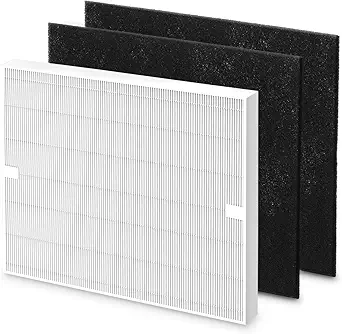
Indoor air quality has become a critical concern for homeowners seeking to create healthier living environments. Poor air quality can lead to respiratory issues, allergies, and overall discomfort, making effective air purification systems essential. A Coway air filter represents one of the most reliable solutions for maintaining fresh, clean air throughout your home. These advanced filtration systems utilize multiple stages of purification to remove contaminants, allergens, and pollutants from indoor spaces. Understanding how these filters work and their impact on air quality can help you make informed decisions about your home's air purification needs.
Advanced Filtration Technology Behind Air Purification Systems
Multi-Stage Filtration Process
The effectiveness of modern air purification systems lies in their sophisticated multi-stage filtration approach. These systems typically incorporate pre-filters, HEPA filters, and activated carbon filters to address different types of airborne contaminants. The pre-filter captures larger particles such as dust, pet hair, and visible debris, extending the lifespan of subsequent filtration stages. This initial layer prevents larger contaminants from clogging more sensitive filter components, ensuring optimal system performance over extended periods.
HEPA filtration technology forms the core of effective air purification, capable of removing particles as small as 0.3 microns with 99.97% efficiency. This level of filtration captures microscopic allergens, bacteria, and fine particulate matter that would otherwise circulate throughout indoor spaces. The dense fiber matrix of HEPA filters creates a labyrinth that traps particles through impaction, interception, and diffusion mechanisms, ensuring comprehensive removal of harmful airborne substances.
Activated Carbon Absorption
Activated carbon filtration addresses chemical pollutants and odors that mechanical filters cannot effectively remove. The porous structure of activated carbon provides an enormous surface area for adsorbing volatile organic compounds, household chemicals, and unpleasant odors. This chemical filtration capability makes air purification systems particularly effective in homes with cooking odors, pet smells, or chemical sensitivities. The carbon layer works continuously to neutralize gaseous pollutants, creating a more pleasant and healthier indoor environment.
The combination of mechanical and chemical filtration creates a comprehensive air cleaning solution that addresses both particulate and gaseous contaminants. This dual-action approach ensures that indoor air remains fresh and clean, regardless of external pollution sources or internal activities that may compromise air quality. Regular replacement of carbon filters maintains optimal odor control and chemical absorption capacity throughout the system's operational life.
Health Benefits and Indoor Air Quality Improvement
Respiratory Health Enhancement
Consistent use of effective air filtration systems provides significant respiratory health benefits for occupants of all ages. Clean air reduces exposure to allergens, fine particulate matter, and airborne irritants that can trigger asthma attacks, allergic reactions, and respiratory discomfort. Children and elderly individuals, who are particularly vulnerable to air quality issues, experience improved breathing comfort and reduced respiratory symptoms when living in environments with proper air filtration.
The removal of microscopic particles and allergens creates a protective barrier against seasonal allergies and environmental sensitivities. Pollen, dust mites, pet dander, and mold spores are effectively captured before they can circulate throughout living spaces and trigger allergic responses. This continuous filtration process maintains consistently clean air, providing relief for allergy sufferers and creating more comfortable living conditions for all household members.
Sleep Quality and Comfort Enhancement
Improved indoor air quality directly impacts sleep quality and overall comfort levels within the home. Clean air free from irritants and pollutants allows for deeper, more restful sleep patterns. The reduction of airborne particles that can cause nighttime congestion, coughing, or throat irritation contributes to uninterrupted sleep cycles. Many users report experiencing fewer nighttime respiratory disturbances after implementing effective air purification systems in their bedrooms.
The elimination of household odors and chemical pollutants creates a more pleasant sleeping environment that promotes relaxation and comfort. Fresh, clean air enhances the overall ambiance of living spaces, making homes more inviting and comfortable for residents and guests alike. This improvement in environmental quality contributes to better mood, increased productivity, and enhanced overall well-being for household occupants.
Maintenance Requirements and Filter Replacement Guidelines
Regular Filter Inspection and Monitoring
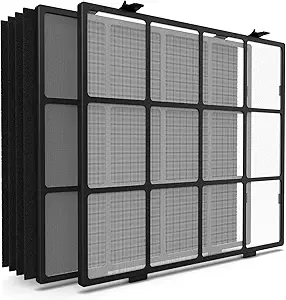
Proper maintenance of air purification systems requires regular inspection and monitoring of filter conditions to ensure optimal performance. Visual inspection of pre-filters should occur monthly to assess accumulation of visible debris and determine cleaning or replacement needs. HEPA and carbon filters require periodic evaluation based on usage patterns, local air quality conditions, and manufacturer recommendations. Establishing a consistent maintenance schedule helps maintain peak filtration efficiency and extends overall system lifespan.
Many modern air purification systems include filter replacement indicators that monitor usage hours and air quality conditions to provide timely replacement reminders. These intelligent monitoring systems help users maintain optimal filtration performance without guesswork or complicated scheduling. Following manufacturer guidelines for filter replacement ensures that the Coway air filter continues to provide effective air purification throughout its operational life.
Cost-Effective Filter Management Strategies
Implementing cost-effective filter management strategies helps minimize long-term operational costs while maintaining excellent air quality. Purchasing replacement filters in bulk quantities often provides significant cost savings compared to individual replacements. Establishing relationships with reputable filter suppliers ensures access to genuine replacement components that meet original equipment specifications and performance standards.
Proper pre-filter maintenance extends the lifespan of more expensive HEPA and carbon filters by preventing premature clogging and contamination. Regular cleaning or replacement of washable pre-filters reduces the burden on downstream filtration stages, maximizing their effectiveness and operational lifespan. This proactive approach to filter management results in lower overall maintenance costs and consistent air purification performance.
Energy Efficiency and Operational Considerations
Power Consumption and Environmental Impact
Modern air purification systems are designed with energy efficiency in mind, utilizing advanced motor technology and intelligent control systems to minimize power consumption while maintaining effective filtration performance. Energy-efficient models consume minimal electricity during continuous operation, making them cost-effective for 24-hour air purification. The environmental benefits of improved indoor air quality often outweigh the modest energy consumption required for system operation.
Variable speed controls and automatic sensors allow systems to adjust operation based on real-time air quality conditions, further optimizing energy efficiency. These intelligent features reduce unnecessary energy consumption during periods of good air quality while ramping up filtration capacity when pollution levels increase. Smart operational controls contribute to both environmental sustainability and reduced operating costs over the system's lifespan.
Noise Levels and Placement Considerations
Noise generation is an important consideration when selecting and positioning air purification systems within living spaces. High-quality systems operate quietly enough for bedroom use while maintaining effective filtration performance. Advanced fan designs and sound dampening materials minimize operational noise without compromising airflow or filtration efficiency. Proper placement away from bedrooms or quiet areas can further reduce any perceived noise impact.
Strategic placement of air purification systems maximizes their effectiveness while minimizing interference with daily activities. Central locations with good airflow circulation provide optimal distribution of clean air throughout connected spaces. Avoiding placement near walls, furniture, or other obstructions ensures proper air intake and circulation patterns that enhance overall system performance and efficiency.
Comparing Air Purification Technologies and Options
HEPA Versus Alternative Filtration Methods
HEPA filtration technology remains the gold standard for particulate removal in residential air purification applications. Compared to electrostatic precipitators, ionizers, and UV-based systems, HEPA filters provide consistent, reliable particle removal without generating potentially harmful byproducts. The mechanical nature of HEPA filtration ensures predictable performance that does not degrade with age or environmental conditions, making it the preferred choice for health-conscious consumers.
While alternative technologies such as photocatalytic oxidation and plasma generation offer certain advantages, they may produce ozone or other byproducts that can be harmful in enclosed spaces. HEPA-based systems avoid these concerns while providing proven effectiveness against the full spectrum of airborne particles and allergens. The combination of HEPA and activated carbon filtration addresses both particulate and chemical contamination without introducing additional health risks.
System Sizing and Coverage Area Selection
Proper system sizing ensures adequate air purification coverage for intended spaces while avoiding unnecessary energy consumption or equipment costs. Air changes per hour calculations help determine the appropriate system capacity for specific room sizes and usage patterns. Oversized systems may operate inefficiently in small spaces, while undersized units cannot provide adequate air cleaning for larger areas.
Room configuration, ceiling height, and airflow patterns influence system selection and placement decisions. Open floor plans may require multiple units or higher-capacity systems to ensure complete coverage and effective air circulation. Professional assessment of space requirements helps optimize system selection and placement for maximum air quality improvement and energy efficiency.
FAQ
How often should I replace my air purifier filters?
Filter replacement frequency depends on usage patterns, local air quality, and filter type. Pre-filters typically require replacement or cleaning every 1-3 months, while HEPA filters generally last 6-12 months under normal conditions. Carbon filters may need replacement every 3-6 months for optimal odor control. Monitor filter condition indicators and visual inspection results to determine optimal replacement timing for your specific environment and usage patterns.
Can air purifiers remove all types of indoor pollutants?
High-quality air purifiers with HEPA and activated carbon filtration can remove most common indoor pollutants, including particles, allergens, bacteria, and many chemical contaminants. However, some gases and ultra-fine particles may require specialized filtration technologies. Combining proper ventilation with air purification provides the most comprehensive approach to indoor air quality management and pollutant removal.
Do air purifiers work effectively in large rooms or open spaces?
Air purifiers can effectively clean large spaces when properly sized and positioned for adequate coverage. Systems with higher air exchange rates and strategic placement ensure complete air circulation and cleaning throughout larger areas. Multiple units may be necessary for very large spaces or open floor plans to achieve uniform air quality improvement across the entire area.
Are there any health risks associated with using air purifiers?
HEPA-based air purifiers with activated carbon filtration pose no health risks when properly maintained and operated according to manufacturer guidelines. Avoid systems that generate ozone or other potentially harmful byproducts. Regular filter replacement and proper system maintenance ensure safe, effective operation that improves rather than compromises indoor air quality and occupant health.