
 EN
EN
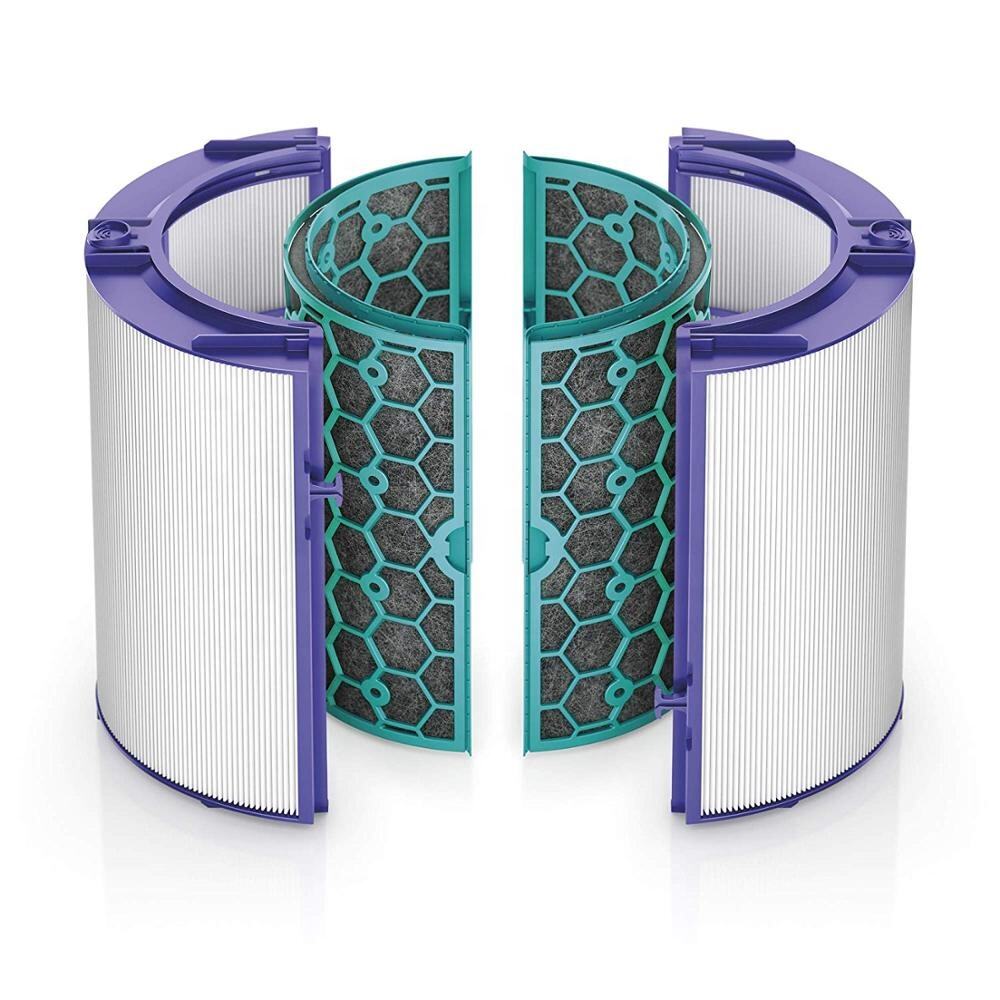
Indoor air quality has become a critical concern for millions of households worldwide, especially as people spend increasing amounts of time indoors. The quality of the air we breathe directly impacts our health, productivity, and overall well-being. Modern air purification technology has evolved significantly, with HEPA filtration systems leading the charge in delivering exceptional air cleaning performance. Among the various options available in the market, dyson hepa filter technology stands out as a premium solution that combines innovative engineering with proven filtration effectiveness.
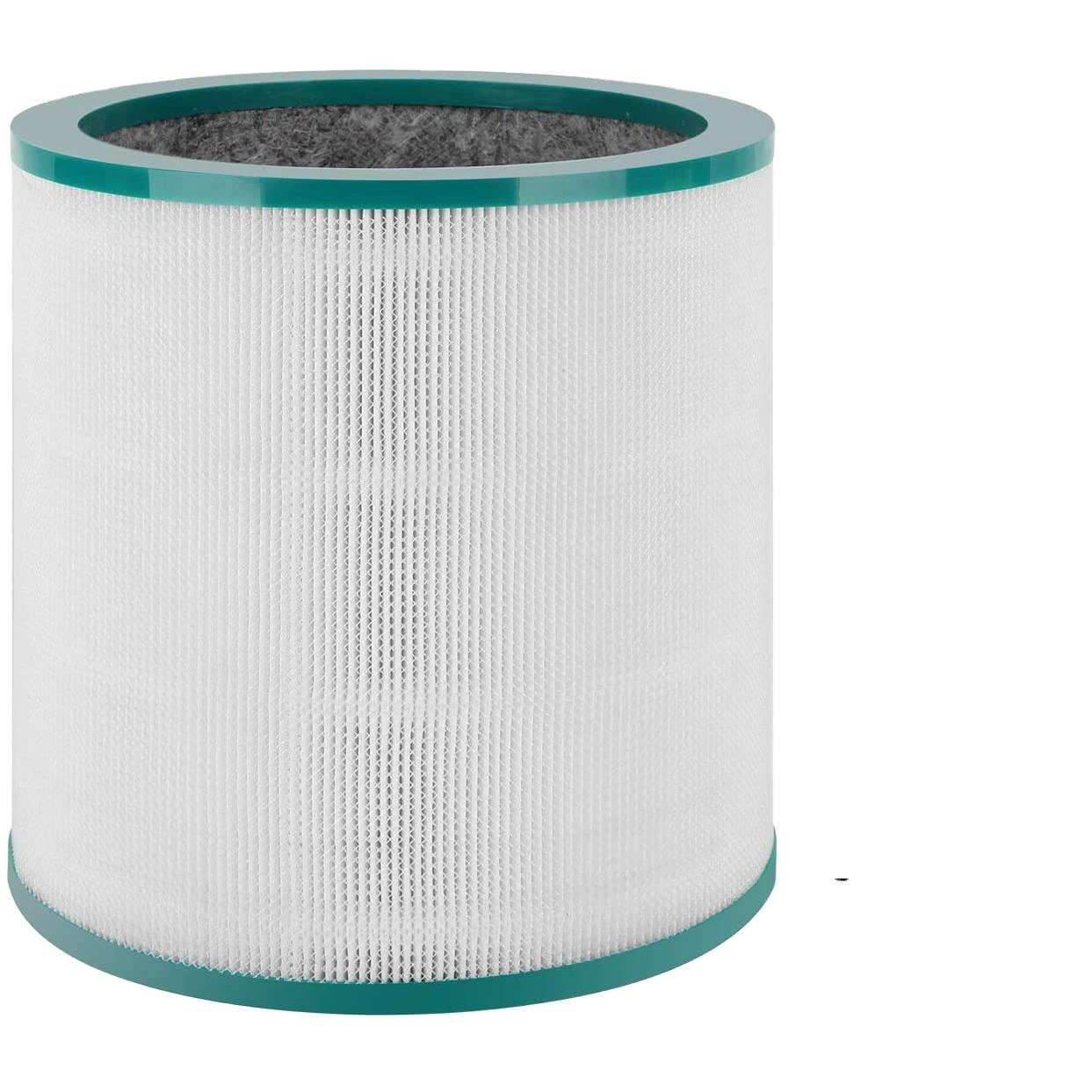
The growing awareness of airborne contaminants, allergens, and microscopic particles has driven consumers to seek reliable air purification solutions. From dust mites and pet dander to volatile organic compounds and seasonal pollen, our indoor environments harbor numerous pollutants that can trigger respiratory issues and compromise our health. Understanding the importance of effective filtration has never been more crucial, particularly for individuals with allergies, asthma, or other respiratory sensitivities.
When evaluating air purification systems, the filtration technology serves as the foundation for performance and reliability. A high-quality dyson hepa filter represents an investment in long-term air quality improvement, offering superior particle capture rates and consistent performance over extended periods. The combination of advanced materials, precision engineering, and rigorous testing ensures that these filtration systems deliver the results that health-conscious consumers demand.
Understanding HEPA Technology and Its Applications
The Science Behind HEPA Filtration
High-Efficiency Particulate Air filtration technology represents one of the most effective methods for removing microscopic particles from indoor air. Originally developed for military and medical applications, HEPA technology has evolved to become the gold standard for residential and commercial air purification systems. The fundamental principle behind HEPA filtration involves forcing air through a dense mat of fine fibers that trap particles through various mechanisms including impaction, interception, and diffusion.
True HEPA filters must meet strict performance standards, capturing at least 99.97% of particles measuring 0.3 microns or larger in diameter. This specification ensures exceptional effectiveness against common airborne contaminants including dust, pollen, mold spores, and many bacteria. The dyson hepa filter technology takes this proven filtration method and enhances it through advanced materials and optimized design configurations that maximize both efficiency and airflow.
The microscopic structure of HEPA filter media creates a complex maze of pathways that particles must navigate. As contaminated air flows through the filter, larger particles are captured through direct impaction when they collide with fiber surfaces. Medium-sized particles are intercepted as they pass close to fibers, while the smallest particles are captured through Brownian motion as they randomly bounce between air molecules and eventually contact filter fibers.
Advanced Materials and Construction Methods
Modern HEPA filter construction employs sophisticated materials science to achieve optimal performance characteristics. The filter media typically consists of randomly arranged fibers made from glass, synthetic polymers, or specialized composite materials. These fibers are carefully sized and distributed to create the ideal balance between particle capture efficiency and air flow resistance.
The manufacturing process for a premium dyson hepa filter involves precise control over fiber density, thickness, and pleating patterns. Advanced pleating techniques increase the surface area available for filtration while maintaining structural integrity under various operating conditions. The frame and seal components are engineered to prevent bypass air flow, ensuring that all air passes through the filtration media rather than around the edges.
Quality control measures during production include particle challenge testing, airflow verification, and structural durability assessments. These comprehensive testing protocols ensure that each filter meets performance specifications and will maintain effectiveness throughout its operational lifespan. The result is a filtration system that consistently delivers superior air cleaning performance while maintaining optimal airflow characteristics.
Performance Advantages and Filtration Efficiency
Superior Particle Capture Capabilities
The effectiveness of any air purification system ultimately depends on its ability to capture and retain airborne particles across a wide size range. A high-quality dyson hepa filter demonstrates exceptional performance against particles ranging from large dust and pollen down to microscopic contaminants that are invisible to the naked eye. This comprehensive capture capability addresses the full spectrum of indoor air quality concerns that affect residential and commercial environments.
Independent testing has consistently shown that properly designed HEPA filtration systems achieve remarkable efficiency rates against common household allergens. Pet dander, dust mite debris, and pollen particles are effectively captured and retained within the filter media, providing significant relief for individuals with allergies or respiratory sensitivities. Additionally, many bacterial and viral particles fall within the size range that HEPA filters can effectively capture, contributing to overall indoor air hygiene.
The multi-stage capture mechanisms inherent in HEPA technology ensure consistent performance across varying air flow rates and particle concentrations. Unlike some alternative filtration methods that may show decreased efficiency under challenging conditions, a well-engineered dyson hepa filter maintains its capture effectiveness even when processing heavily contaminated air. This reliability makes HEPA technology particularly valuable for environments with variable air quality conditions.
Long-Term Performance and Durability
Sustainable air purification requires filtration systems that maintain their effectiveness over extended operational periods. The construction quality and material selection of premium HEPA filters directly impact their longevity and continued performance. Advanced filter media retains its structural integrity and capture efficiency even as it accumulates particles over months of continuous operation.
The gradual loading of particles within the filter media actually enhances capture efficiency in many cases, as trapped particles create additional interception points for incoming contaminants. This phenomenon, known as depth loading, allows a dyson hepa filter to become more effective over time while still maintaining acceptable airflow resistance. The optimal balance between filtration efficiency and pressure drop is maintained through careful engineering of the filter structure and pleating configuration.
Regular monitoring of filter condition and timely replacement ensures continued optimal performance. Visual inspection capabilities and airflow monitoring systems help users determine when filter replacement is necessary. The investment in high-quality filtration components pays dividends through extended service life and consistent air cleaning performance throughout the filter's operational period.
Health Benefits and Indoor Air Quality Improvement
Respiratory Health and Allergy Relief
The direct correlation between indoor air quality and respiratory health has been well-documented through numerous scientific studies and clinical observations. Individuals suffering from asthma, allergies, or other respiratory conditions often experience significant symptom improvement when exposed to cleaner indoor air environments. The comprehensive particle removal capabilities of effective HEPA filtration systems address many of the triggers that can exacerbate respiratory issues.
Common household allergens such as dust mites, pet dander, and seasonal pollen are efficiently captured by properly functioning dyson hepa filter systems. The removal of these airborne triggers creates a more comfortable living environment and can lead to reduced reliance on medications and fewer respiratory episodes. Many users report improved sleep quality and reduced morning allergy symptoms after implementing effective air purification systems.
The benefits extend beyond allergy relief to encompass general respiratory wellness. Cleaner air reduces the overall burden on respiratory systems, potentially leading to improved lung function and reduced inflammation. Children and elderly individuals, who may be more susceptible to air quality impacts, often show particularly noticeable improvements when exposed to consistently filtered indoor air.
Protection Against Environmental Contaminants
Modern indoor environments contain numerous contaminants beyond traditional allergens and dust particles. Volatile organic compounds from household products, cooking byproducts, and outdoor pollution that infiltrates indoor spaces all contribute to compromised air quality. While HEPA filters primarily target particulate matter, they play a crucial role in comprehensive air quality management strategies.
The particle capture capabilities of advanced filtration systems help reduce exposure to fine particulate matter that can carry absorbed chemicals and odors. Many airborne contaminants exist as particles or are attached to particles that fall within the size range effectively captured by HEPA technology. This comprehensive approach to air cleaning addresses multiple sources of indoor air contamination simultaneously.
Long-term exposure to poor indoor air quality has been linked to various health concerns including cardiovascular issues, cognitive impacts, and compromised immune function. By maintaining consistently high air quality through effective filtration, individuals can reduce their cumulative exposure to harmful airborne contaminants and support their overall health and well-being over time.
Installation and Maintenance Considerations
Proper Installation Techniques
The effectiveness of any air purification system depends heavily on proper installation and integration into the existing environment. Correct positioning of air purification units ensures optimal air circulation patterns and maximizes the capture of airborne contaminants throughout the space. Understanding airflow dynamics and room layout helps determine the most effective placement for air purification equipment.
When installing systems that utilize a dyson hepa filter, attention to seal integrity and proper filter orientation is critical for optimal performance. Any gaps or bypass pathways around the filter housing can significantly compromise overall system effectiveness. Professional installation or careful adherence to manufacturer guidelines ensures that the filtration system operates at its designed efficiency levels.
Consideration of existing HVAC systems and room air circulation patterns helps optimize the placement and operation of standalone air purification units. Strategic positioning can leverage natural air movement patterns to enhance the distribution of filtered air throughout the space. Regular assessment of airflow patterns and system performance helps identify opportunities for optimization or adjustment.
Maintenance Requirements and Best Practices
Consistent maintenance practices are essential for preserving the performance and longevity of HEPA filtration systems. Regular inspection of filter condition, housing integrity, and system operation helps identify potential issues before they impact air cleaning effectiveness. Establishing a routine maintenance schedule ensures that the system continues to deliver optimal performance throughout its operational life.
Filter replacement timing depends on various factors including usage patterns, environmental conditions, and particle loading rates. Visual inspection of filter condition provides valuable information about replacement timing, while some advanced systems incorporate monitoring capabilities that track filter performance over time. Timely replacement of a dyson hepa filter ensures continued effectiveness and prevents potential damage to system components.
Beyond filter replacement, regular cleaning of housing components, fan assemblies, and intake surfaces helps maintain optimal airflow and system efficiency. Dust accumulation on external surfaces can impede air intake and reduce overall system performance. Simple cleaning procedures performed on a regular schedule help preserve system effectiveness and extend equipment lifespan.
Cost-Effectiveness and Value Analysis
Initial Investment and Long-Term Savings
Evaluating the cost-effectiveness of air purification systems requires consideration of both initial investment and ongoing operational costs. While premium filtration systems may require higher upfront expenditure, the long-term value proposition often justifies the initial investment through superior performance, extended service life, and reduced health-related expenses.
The operational efficiency of modern air purification systems has improved significantly, with many units offering excellent performance while maintaining reasonable energy consumption levels. When combined with the extended service life of high-quality filters, the total cost of ownership often compares favorably to less expensive alternatives that require more frequent replacement or consume more energy.
Health-related benefits provide additional value that extends beyond direct monetary considerations. Reduced allergy medication costs, fewer sick days, and improved quality of life represent tangible benefits that contribute to the overall value proposition of effective air purification systems. For families with members who have respiratory sensitivities, the health benefits alone often justify the investment in premium dyson hepa filter technology.
Comparison with Alternative Solutions
The air purification market offers numerous technologies and approaches for improving indoor air quality. Comparing HEPA filtration with alternatives such as electronic precipitators, UV sterilization, and activated carbon systems helps consumers make informed decisions based on their specific needs and requirements.
While some alternative technologies may offer lower initial costs, they often lack the comprehensive particle removal capabilities and proven track record of HEPA filtration. The consistent performance and reliability of HEPA technology, combined with decades of real-world testing and validation, provide confidence in long-term effectiveness that newer or less proven technologies may not match.
Integration capabilities and compatibility with existing systems also factor into value considerations. HEPA-based air purification systems often integrate seamlessly with existing HVAC systems or operate effectively as standalone units. This flexibility allows users to implement effective air purification solutions without requiring extensive modifications to their existing infrastructure.
Environmental Impact and Sustainability
Eco-Friendly Materials and Manufacturing
Modern consumers increasingly prioritize environmental sustainability when evaluating household products and systems. The manufacturing processes and materials used in premium air filtration systems reflect growing awareness of environmental responsibility. Many manufacturers have implemented sustainable practices that minimize environmental impact while maintaining product quality and performance.
The materials used in advanced filter construction increasingly incorporate recycled content and environmentally responsible sourcing practices. Manufacturing processes have evolved to reduce waste generation and energy consumption while maintaining the precise quality control required for effective filtration products. These improvements demonstrate the industry's commitment to balancing performance requirements with environmental stewardship.
End-of-life disposal considerations have also influenced filter design and materials selection. Many modern dyson hepa filter products incorporate materials that can be recycled or disposed of responsibly, reducing their overall environmental footprint. Some manufacturers offer take-back programs or recycling initiatives that further minimize the environmental impact of filter replacement and disposal.
Energy Efficiency and Resource Conservation
The energy consumption of air purification systems represents an ongoing operational consideration that impacts both environmental sustainability and operating costs. Modern system designs emphasize energy efficiency while maintaining effective air cleaning performance. Advanced motor technologies and optimized airflow designs help minimize energy consumption without compromising filtration effectiveness.
Smart control systems and variable speed operation allow air purification systems to adapt their energy consumption to changing conditions and requirements. These intelligent features help optimize performance while minimizing unnecessary energy use during periods of lower air quality demands. The result is improved overall system efficiency and reduced environmental impact.
Resource conservation extends beyond energy consumption to encompass the longevity and durability of system components. High-quality filtration systems that operate reliably for extended periods reduce the frequency of replacement and associated resource consumption. This approach to sustainability emphasizes product durability and performance consistency as key factors in environmental responsibility.
FAQ
How often should a dyson hepa filter be replaced?
The replacement frequency for HEPA filters depends on several factors including usage patterns, environmental conditions, and particle loading rates. Under typical residential conditions, most HEPA filters should be replaced every 6 to 12 months for optimal performance. However, households with pets, smokers, or individuals with severe allergies may need more frequent replacement, potentially every 3 to 6 months. Visual inspection of the filter can provide valuable information about replacement timing, as heavily loaded filters will appear darker and may show visible particle accumulation on the surface.
What makes HEPA filtration more effective than other air cleaning technologies?
HEPA filtration technology offers superior effectiveness due to its proven ability to capture at least 99.97% of particles measuring 0.3 microns or larger. This exceptional capture rate, combined with the technology's reliability and consistency, makes HEPA filtration the gold standard for air purification. Unlike some alternative technologies that may lose effectiveness over time or under varying conditions, HEPA filters maintain their performance characteristics throughout their operational life. The multi-mechanism particle capture approach used in HEPA filters ensures effectiveness against a wide range of contaminant types and sizes.
Can HEPA filters help with odors and chemical contaminants?
While HEPA filters excel at capturing particulate matter, they have limited effectiveness against gases, vapors, and odors. However, many airborne chemicals and odorous compounds attach to or are associated with particles that fall within the size range captured by HEPA filters. For comprehensive odor and chemical control, many air purification systems combine HEPA filtration with activated carbon or other specialized media designed specifically for gas-phase contaminants. This multi-stage approach provides broader spectrum air cleaning capabilities.
Are there any health risks associated with using HEPA air purifiers?
HEPA air purification systems are generally considered safe and beneficial for health when properly maintained and operated. The technology does not produce harmful byproducts or emissions during normal operation. However, proper maintenance is important to prevent the growth of bacteria or mold within used filters. Regular filter replacement according to manufacturer recommendations helps ensure that the system continues to improve rather than compromise indoor air quality. Some individuals may experience temporary adjustment periods as their respiratory systems adapt to cleaner air environments, but this typically represents a positive health development rather than a concern.