
 EN
EN
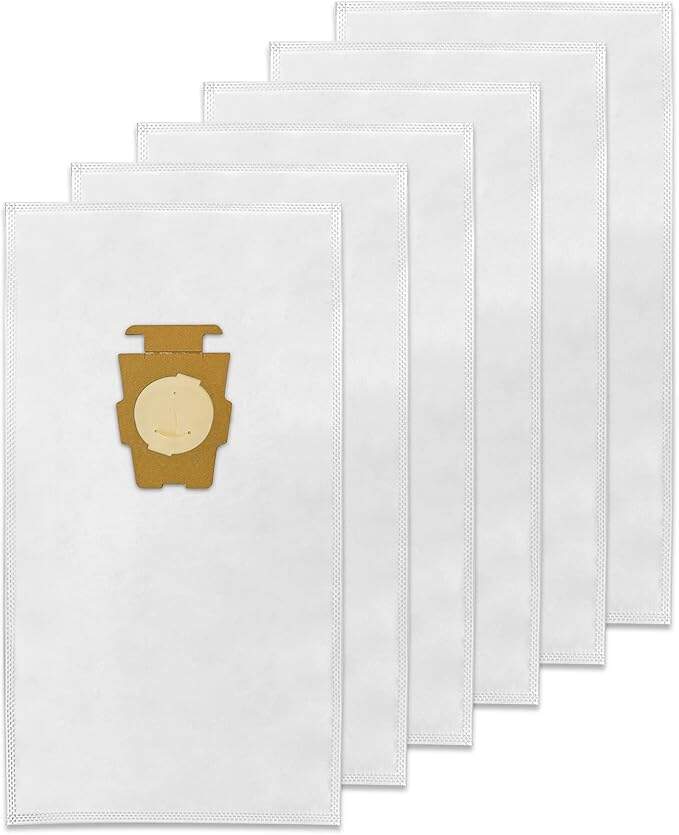
Understanding the materials that create the most effective dust bag designs is essential for anyone seeking optimal cleaning performance and filtration efficiency. The composition of a dust bag directly impacts its durability, filtration capacity, and overall effectiveness in capturing particles and allergens. Modern manufacturing techniques have revolutionized how these essential cleaning accessories are produced, utilizing advanced materials that offer superior performance compared to traditional alternatives. When selecting the right dust bag for your vacuum cleaner, material composition becomes the deciding factor between adequate and exceptional cleaning results.
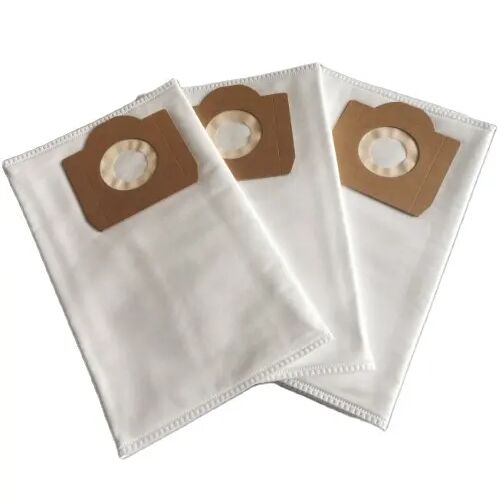
Traditional Paper Materials in Dust Bag Construction
Single-Layer Paper Construction
Single-layer paper dust bag designs represent the most basic form of filtration technology, utilizing standard kraft paper or similar cellulose-based materials. These conventional dust bag options provide adequate particle capture for light cleaning tasks but often struggle with fine debris and allergen retention. The porous nature of single-layer paper allows larger particles to be contained while permitting smaller contaminants to escape back into the environment. Manufacturing costs remain low for this dust bag category, making them attractive for budget-conscious consumers.
Performance limitations become apparent when single-layer paper dust bag models encounter moisture or excessive debris loads. The structural integrity of paper-based materials can compromise under challenging conditions, leading to tears or complete failure during operation. Professional cleaning applications typically avoid single-layer paper dust bag solutions due to their limited durability and filtration capabilities. However, these basic designs continue to serve household applications where intensive cleaning demands are minimal.
Multi-Layer Paper Engineering
Advanced paper dust bag designs incorporate multiple layers of specialized paper materials to enhance filtration performance and structural stability. These sophisticated dust bag configurations combine different paper grades, including fine-mesh inner layers and reinforced outer shells. The layered approach creates a progressive filtration system where larger particles are captured in outer layers while fine debris is trapped in inner components. This dust bag technology significantly improves particle retention compared to single-layer alternatives.
Manufacturing processes for multi-layer paper dust bag products involve precise lamination techniques that bond different paper grades without compromising airflow characteristics. Quality control measures ensure consistent layer adhesion and uniform pore distribution throughout each dust bag unit. The resulting products offer enhanced durability while maintaining cost-effectiveness compared to synthetic alternatives. Professional cleaning services often prefer multi-layer paper dust bag solutions for applications requiring reliable performance without premium material costs.
Synthetic Fabric Technologies
Polyester Fiber Construction
Polyester-based dust bag materials represent a significant advancement in filtration technology, offering superior durability and particle capture capabilities compared to traditional paper alternatives. These synthetic dust bag designs utilize woven or non-woven polyester fibers that create consistent pore structures for optimal airflow and debris retention. The inherent strength of polyester materials allows dust bag manufacturers to create thinner walls without sacrificing structural integrity. This dust bag technology provides excellent resistance to moisture and chemical exposure.
Advanced polyester dust bag designs incorporate electrostatic charging processes that enhance particle attraction and retention capabilities. The synthetic fibers can be treated with specialized coatings that improve filtration efficiency for submicron particles and allergens. Manufacturing flexibility allows polyester dust bag products to be customized for specific applications, including specialized shapes and reinforcement patterns. These materials maintain consistent performance characteristics across extended use periods, making them ideal for professional cleaning environments.
Microfiber Integration
Microfiber technology has revolutionized dust bag performance by incorporating ultra-fine synthetic fibers that create dense filtration matrices. These specialized dust bag materials utilize fibers with diameters measured in micrometers, creating significantly more surface area for particle capture. The increased fiber density in microfiber dust bag designs enables superior filtration of fine particles, including pollen, pet dander, and microscopic debris. Manufacturing processes for microfiber dust bag products require precise fiber spinning and weaving techniques to achieve optimal filtration characteristics.
Quality microfiber dust bag construction combines multiple fiber types to create graduated filtration systems that capture particles of varying sizes. The electrostatic properties of microfiber materials enhance particle attraction, creating more effective debris retention compared to conventional alternatives. Professional applications benefit from microfiber dust bag technology due to its exceptional allergen capture capabilities and extended service life. These advanced materials maintain filtration efficiency even as debris accumulates, ensuring consistent performance throughout the cleaning cycle.
Advanced Composite Materials
Multi-Layer Composite Systems
Composite dust bag materials combine multiple material types to create superior filtration systems that leverage the benefits of different technologies. These advanced dust bag designs typically incorporate synthetic outer layers for durability, specialized inner layers for fine particle capture, and reinforcement materials for structural integrity. The layered approach allows dust bag engineers to optimize specific performance characteristics while maintaining overall effectiveness. Modern composite dust bag technology represents the pinnacle of filtration engineering, offering exceptional particle capture across the entire debris spectrum.
Manufacturing composite dust bag products requires sophisticated bonding techniques that unite different materials without creating weak points or filtration gaps. Quality control processes ensure consistent layer adhesion and uniform performance characteristics throughout each dust bag unit. The resulting products offer superior longevity and filtration efficiency compared to single-material alternatives. Professional cleaning applications increasingly specify composite dust bag solutions for their ability to maintain peak performance under demanding conditions.
Activated Carbon Integration
Activated carbon technology enhances dust bag performance by adding odor control capabilities to traditional filtration functions. These specialized dust bag designs incorporate activated carbon layers or coatings that absorb volatile compounds and eliminate unpleasant odors during cleaning operations. The porous structure of activated carbon materials provides extensive surface area for chemical adsorption while maintaining airflow characteristics essential for effective dust bag operation. This technology proves particularly valuable for applications involving pet hair, cooking odors, or chemical residues.
Advanced activated carbon dust bag products utilize precisely graded carbon particles that optimize both filtration and odor control capabilities. The integration process must carefully balance carbon content with structural requirements to ensure optimal dust bag performance. Manufacturing techniques include specialized bonding methods that secure carbon particles without compromising filtration efficiency. These premium dust bag materials command higher prices but deliver exceptional value for applications requiring comprehensive air quality improvement.
Material Selection Criteria
Filtration Efficiency Standards
Evaluating dust bag materials requires understanding standardized filtration efficiency measurements that quantify particle capture capabilities across different size ranges. Professional testing protocols assess dust bag performance using standardized particle distributions, measuring retention percentages for various debris types. The most effective dust bag materials demonstrate high efficiency ratings for both coarse and fine particles while maintaining consistent airflow characteristics. Industry standards provide comparative frameworks for evaluating dust bag technologies and selecting optimal materials for specific applications.
Modern dust bag testing includes assessments of allergen capture efficiency, measuring performance against common household allergens like dust mites, pollen, and pet dander. These specialized tests evaluate dust bag effectiveness in real-world conditions, providing practical performance data for material selection decisions. Quality dust bag materials consistently demonstrate superior filtration efficiency across multiple test protocols, ensuring reliable performance in diverse cleaning environments. Professional specifications often require dust bag materials to meet specific efficiency thresholds for allergen capture and fine particle retention.
Durability and Longevity Factors
Assessing dust bag material durability involves evaluating resistance to wear, moisture exposure, and structural stress during normal operation. Superior dust bag materials maintain structural integrity throughout extended use cycles while preserving filtration effectiveness as debris accumulates. The relationship between material composition and service life directly impacts cost-effectiveness, making durability assessment crucial for dust bag selection decisions. Professional applications require dust bag materials that consistently perform under demanding conditions without premature failure or degraded filtration.
Quality testing protocols evaluate dust bag material resistance to common stress factors, including temperature variations, humidity exposure, and mechanical abrasion. These assessments help identify materials that offer optimal longevity for specific operating conditions and cleaning requirements. The most durable dust bag materials demonstrate minimal degradation over extended periods while maintaining consistent performance characteristics. Cost analysis must consider both initial material costs and replacement frequency to determine the most economical dust bag material choices for long-term applications.
Environmental and Health Considerations
Biodegradability and Sustainability
Environmental impact assessment has become increasingly important in dust bag material selection, with sustainable options gaining popularity among environmentally conscious consumers. Biodegradable dust bag materials, typically based on natural fibers or specially treated papers, offer reduced environmental impact compared to synthetic alternatives. These eco-friendly dust bag designs maintain effective filtration capabilities while providing responsible disposal options after use. Manufacturing processes for sustainable dust bag materials often incorporate recycled content and minimize chemical treatments that could impact environmental safety.
Life cycle analysis of different dust bag materials reveals significant variations in environmental impact, from raw material extraction through manufacturing and disposal phases. Sustainable dust bag technologies balance environmental responsibility with performance requirements, ensuring effective cleaning without compromising ecological considerations. Consumer awareness of environmental issues continues driving demand for eco-friendly dust bag alternatives that maintain professional-grade performance. Industry initiatives promote development of innovative dust bag materials that reduce environmental impact while meeting stringent performance standards.
Health and Safety Properties
Health considerations play crucial roles in dust bag material selection, particularly for applications involving allergen control and indoor air quality improvement. Hypoallergenic dust bag materials utilize specialized treatments and fiber selections that minimize potential allergic reactions during handling and disposal. These health-focused dust bag designs often incorporate antimicrobial treatments that prevent bacterial growth and maintain sanitary conditions during extended use periods. Medical facilities and sensitive environments frequently specify dust bag materials with enhanced health safety characteristics.
Safety testing protocols evaluate dust bag materials for potential health hazards, including fiber shedding, chemical off-gassing, and allergen containment capabilities. Quality dust bag materials demonstrate minimal health risks while providing superior protection against airborne contaminants and allergens. Professional cleaning applications in healthcare settings require dust bag materials that meet stringent safety standards and contribute to overall infection control protocols. The selection process must balance health considerations with performance requirements to ensure optimal outcomes for both cleaning effectiveness and occupant safety.
FAQ
What makes synthetic dust bag materials superior to paper alternatives
Synthetic dust bag materials offer several advantages over traditional paper options, including enhanced durability, superior moisture resistance, and improved filtration efficiency for fine particles. These materials maintain structural integrity under challenging conditions and typically provide longer service life, making them more cost-effective despite higher initial costs. Synthetic dust bag designs also offer better allergen capture capabilities and consistent performance throughout their operational lifespan.
How do multi-layer dust bag constructions improve filtration performance
Multi-layer dust bag designs create progressive filtration systems where different layers capture particles of varying sizes, resulting in superior overall filtration efficiency. The outer layers trap larger debris while inner layers capture fine particles and allergens, preventing system clogging and maintaining consistent airflow. This layered approach extends dust bag service life while improving particle retention across the entire debris spectrum, making them ideal for comprehensive cleaning applications.
Are activated carbon dust bag materials worth the additional cost
Activated carbon dust bag materials provide significant value for applications involving odor control and chemical vapor absorption, justifying their premium pricing through enhanced performance capabilities. These specialized materials effectively eliminate unpleasant odors while maintaining excellent particle filtration, making them particularly valuable for pet owners, commercial kitchens, and environments with persistent odor challenges. The comprehensive air quality improvement often outweighs the additional investment for demanding applications.
What environmental factors should influence dust bag material selection
Environmental considerations include biodegradability, manufacturing sustainability, and disposal impact when selecting dust bag materials for eco-conscious applications. Biodegradable options offer responsible disposal alternatives while sustainable manufacturing processes reduce overall environmental impact. Consider the balance between environmental responsibility and performance requirements, as some eco-friendly dust bag materials may require more frequent replacement, potentially offsetting their environmental benefits through increased consumption.