
 EN
EN
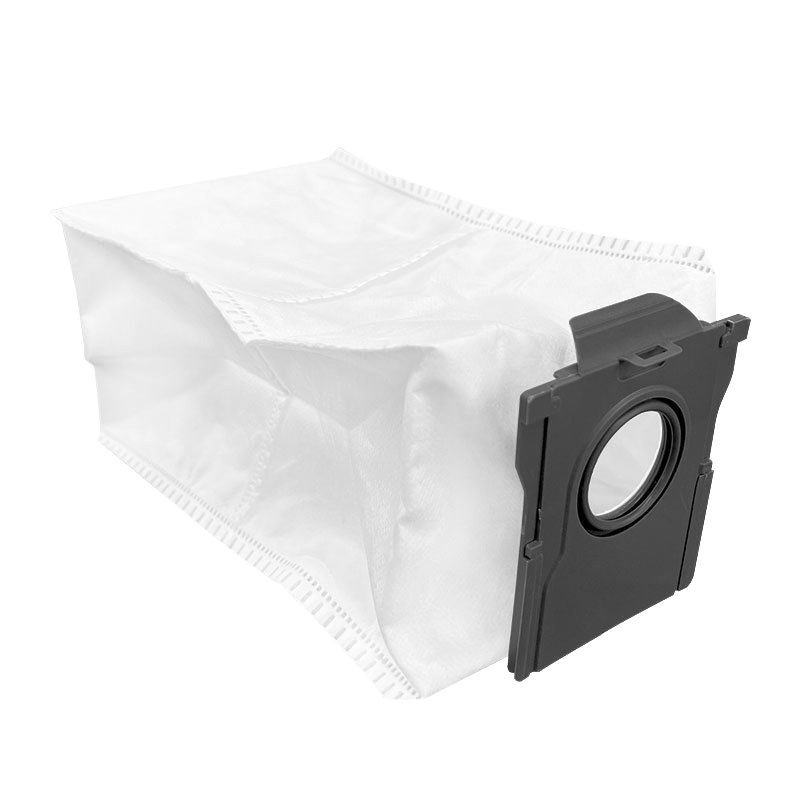
Modern vacuum cleaners rely on sophisticated filtration systems to maintain optimal performance and longevity. At the heart of this protection lies the dust bag, a crucial component that serves as the primary barrier between collected debris and your vacuum's internal mechanisms. Understanding how a dust bag functions and protects your cleaning equipment can help you make informed decisions about maintenance and replacement schedules. The dust bag acts as more than just a collection chamber, providing essential safeguarding for delicate motor components and ensuring consistent suction power throughout extended cleaning sessions.

Primary Protection Mechanisms of Vacuum Dust Bags
Motor Shield Defense System
The vacuum motor represents the most expensive and critical component within your cleaning system. A properly functioning dust bag creates an essential protective barrier that prevents fine particles from reaching the motor housing. Without this protection, microscopic debris can infiltrate motor bearings, causing premature wear and potentially catastrophic failure. The dust bag material is specifically engineered to trap particles while allowing adequate airflow to maintain motor cooling efficiency.
Professional-grade dust bag materials incorporate multiple filtration layers that capture particles ranging from large debris to microscopic dust particles. This multi-stage filtration prevents abrasive materials from circulating through the vacuum system and causing internal damage. Quality dust bag construction ensures that even the finest particles remain contained, protecting sensitive components from contamination that could reduce operational lifespan significantly.
Suction Performance Preservation
Maintaining consistent suction power depends heavily on the dust bag's ability to contain collected material without restricting airflow. As debris accumulates within the dust bag, proper bag design ensures that air can continue flowing through the filtration media. This continuous airflow maintains the vacuum pressure differential necessary for effective cleaning performance across various surface types and debris conditions.
The dust bag serves as a crucial component in the vacuum's air circulation system, working in conjunction with other filtration elements to maintain optimal performance levels. When the dust bag becomes overfilled or damaged, suction power diminishes rapidly, forcing the motor to work harder and potentially causing overheating issues. Regular dust bag replacement ensures consistent performance and prevents unnecessary strain on vacuum system components.
Filtration Technology and Debris Management
Advanced Particle Capture Systems
Modern dust bag technology incorporates sophisticated filtration materials designed to capture particles across a wide spectrum of sizes. These engineered fabrics utilize electrostatic properties and mechanical filtration to trap everything from pet hair and carpet fibers to microscopic allergens and dust mites. The dust bag material's porosity is carefully calibrated to balance particle retention with airflow maintenance, ensuring optimal cleaning efficiency.
High-quality dust bag construction features reinforced seams and puncture-resistant materials that prevent debris from escaping during operation. The bag's internal structure often includes accordion-style pleating that maximizes storage capacity while maintaining structural integrity under suction pressure. This design approach allows the dust bag to expand as it fills, accommodating larger volumes of debris without compromising filtration effectiveness or risking bag failure during use.
Contamination Control Features
Effective dust bag systems incorporate contamination control measures that extend beyond simple debris collection. Many professional-grade bags include antimicrobial treatments that prevent bacterial growth within collected organic matter, reducing odors and maintaining hygienic conditions during extended use periods. These treatments are particularly important in commercial cleaning applications where bags may remain in service for extended periods.
The dust bag also serves as a containment system for potentially hazardous materials encountered during cleaning operations. Fine construction dust, certain chemical residues, and biological contaminants remain safely enclosed within the bag structure, preventing redistribution into the environment during vacuum operation. This containment function protects both equipment operators and building occupants from exposure to potentially harmful airborne particles.
Long-term Equipment Protection Benefits
Component Lifespan Extension
Regular use of appropriate dust bag systems significantly extends the operational lifespan of vacuum cleaner components. By preventing debris accumulation within the motor housing and air circulation pathways, the dust bag reduces wear on moving parts and minimizes maintenance requirements. This protection translates into substantial cost savings over the equipment's operational lifetime, particularly for commercial cleaning operations where vacuum systems operate under heavy-duty conditions.
The dust bag's protective function extends to secondary filtration systems, preventing premature clogging of HEPA filters and other downstream components. When debris is properly contained within the primary dust bag, secondary filters can focus on capturing ultra-fine particles without becoming overwhelmed by larger debris. This balanced filtration approach optimizes the entire system's performance while reducing replacement costs for expensive secondary filter elements.
Maintenance Interval Optimization
Proper dust bag utilization establishes predictable maintenance intervals that facilitate efficient cleaning operation scheduling. dust bag replacement indicators help operators maintain optimal equipment performance without unnecessary downtime or premature bag changes. Understanding bag capacity and replacement timing enables cleaning professionals to plan maintenance activities around operational schedules, maximizing equipment availability during critical cleaning periods.
Quality dust bag systems often incorporate visual indicators or electronic monitoring that alerts operators when replacement becomes necessary. These monitoring systems prevent overfilling conditions that could compromise filtration effectiveness or damage vacuum components. By maintaining appropriate dust bag replacement schedules, operators can ensure consistent cleaning performance while minimizing unexpected equipment failures and associated repair costs.
Selection Criteria for Optimal Protection
Material Specifications and Compatibility
Selecting appropriate dust bag specifications requires careful consideration of cleaning application requirements and vacuum system compatibility. Different bag materials offer varying levels of filtration efficiency, durability, and capacity, making proper selection critical for optimal equipment protection. Synthetic materials typically provide superior tear resistance and fine particle retention compared to traditional paper alternatives, particularly in demanding commercial applications.
Compatibility between dust bag dimensions and vacuum system specifications ensures proper sealing and prevents bypass conditions that could compromise filtration effectiveness. Manufacturer-specific bag designs often incorporate proprietary sealing mechanisms and attachment systems that optimize performance with particular vacuum models. Using properly matched dust bag systems ensures maximum protection while maintaining warranty coverage for vacuum equipment.
Performance Rating Considerations
Professional dust bag systems are rated according to filtration efficiency standards that indicate their ability to capture particles of specific sizes. Understanding these ratings helps operators select appropriate bags for particular cleaning environments and contamination control requirements. Higher-rated dust bag systems provide enhanced protection for sensitive equipment applications but may require more frequent replacement due to increased particle retention capabilities.
Capacity ratings determine how much debris a dust bag can accommodate before requiring replacement, directly impacting operational efficiency and maintenance scheduling. Larger capacity bags reduce replacement frequency but may become unwieldy when full, particularly in portable vacuum applications. Balancing capacity requirements with handling considerations ensures optimal dust bag performance across various cleaning scenarios and equipment configurations.
FAQ
How often should vacuum dust bags be replaced to maintain optimal protection
Dust bag replacement frequency depends on usage intensity and debris types encountered during cleaning operations. For residential applications, replacing the dust bag monthly or when it reaches two-thirds capacity typically maintains optimal performance. Commercial operations may require more frequent replacement, sometimes weekly or even daily for heavy-duty applications. Visual inspection of bag fullness and monitoring suction performance provide reliable indicators for replacement timing, ensuring consistent equipment protection without unnecessary waste.
Can using generic dust bags damage vacuum cleaner components
Generic dust bags may compromise vacuum protection if they don't match original equipment specifications for filtration efficiency, capacity, or sealing mechanisms. Poorly fitting bags can create bypass conditions where unfiltered air reaches sensitive components, potentially causing damage over time. While some generic options provide adequate protection, using manufacturer-recommended dust bag specifications ensures optimal equipment protection and maintains warranty coverage. The cost difference between generic and OEM bags is often minimal compared to potential repair expenses from inadequate filtration.
What happens to vacuum performance when dust bags become overfilled
Overfilled dust bags significantly reduce suction power and force motors to work harder, leading to overheating and premature component wear. As bags approach capacity, airflow restriction increases exponentially, creating back-pressure that strains the motor and reduces cleaning efficiency. Continued operation with overfilled bags can cause motor damage, reduce component lifespan, and create safety hazards from overheating. Monitoring bag fullness and replacing before complete capacity prevents these issues while maintaining consistent cleaning performance.
Do different cleaning environments require specific dust bag types for optimal equipment protection
Different cleaning environments generate varying debris types and particle sizes that benefit from specialized dust bag characteristics. Fine dust environments like woodworking shops require high-efficiency bags with enhanced fine particle retention, while general cleaning applications may use standard capacity bags effectively. Wet or humid conditions necessitate moisture-resistant bag materials that prevent degradation and maintain structural integrity. Understanding environmental requirements and selecting appropriate dust bag specifications ensures optimal equipment protection across diverse cleaning applications and extends vacuum system operational life.
Table of Contents
- Primary Protection Mechanisms of Vacuum Dust Bags
- Filtration Technology and Debris Management
- Long-term Equipment Protection Benefits
- Selection Criteria for Optimal Protection
-
FAQ
- How often should vacuum dust bags be replaced to maintain optimal protection
- Can using generic dust bags damage vacuum cleaner components
- What happens to vacuum performance when dust bags become overfilled
- Do different cleaning environments require specific dust bag types for optimal equipment protection