
 EN
EN
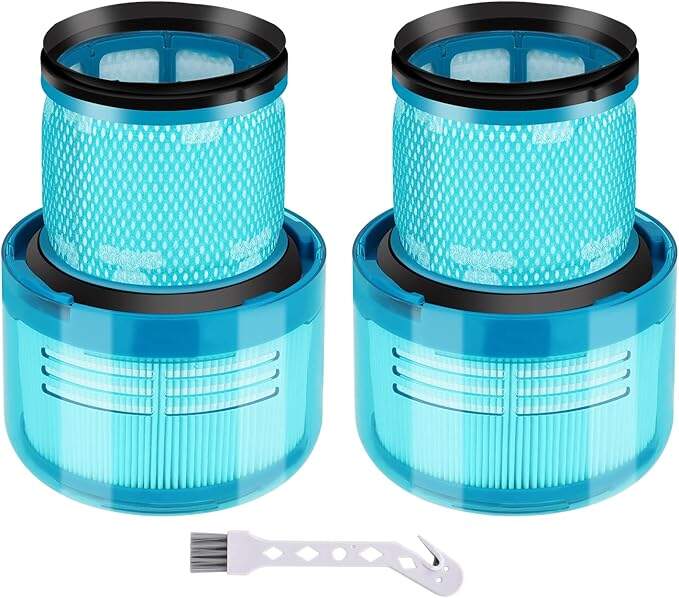
The microscopic dust particles floating through your home may seem invisible to the naked eye, but they can significantly impact indoor air quality and respiratory health. Understanding how a dyson hepa filter operates to capture these tiny contaminants reveals the sophisticated engineering behind modern air purification technology. These advanced filtration systems utilize precise mechanical filtration methods that trap particles as small as 0.3 microns with remarkable efficiency. The science behind HEPA filtration demonstrates why these filters have become the gold standard for removing airborne pollutants in residential and commercial environments.
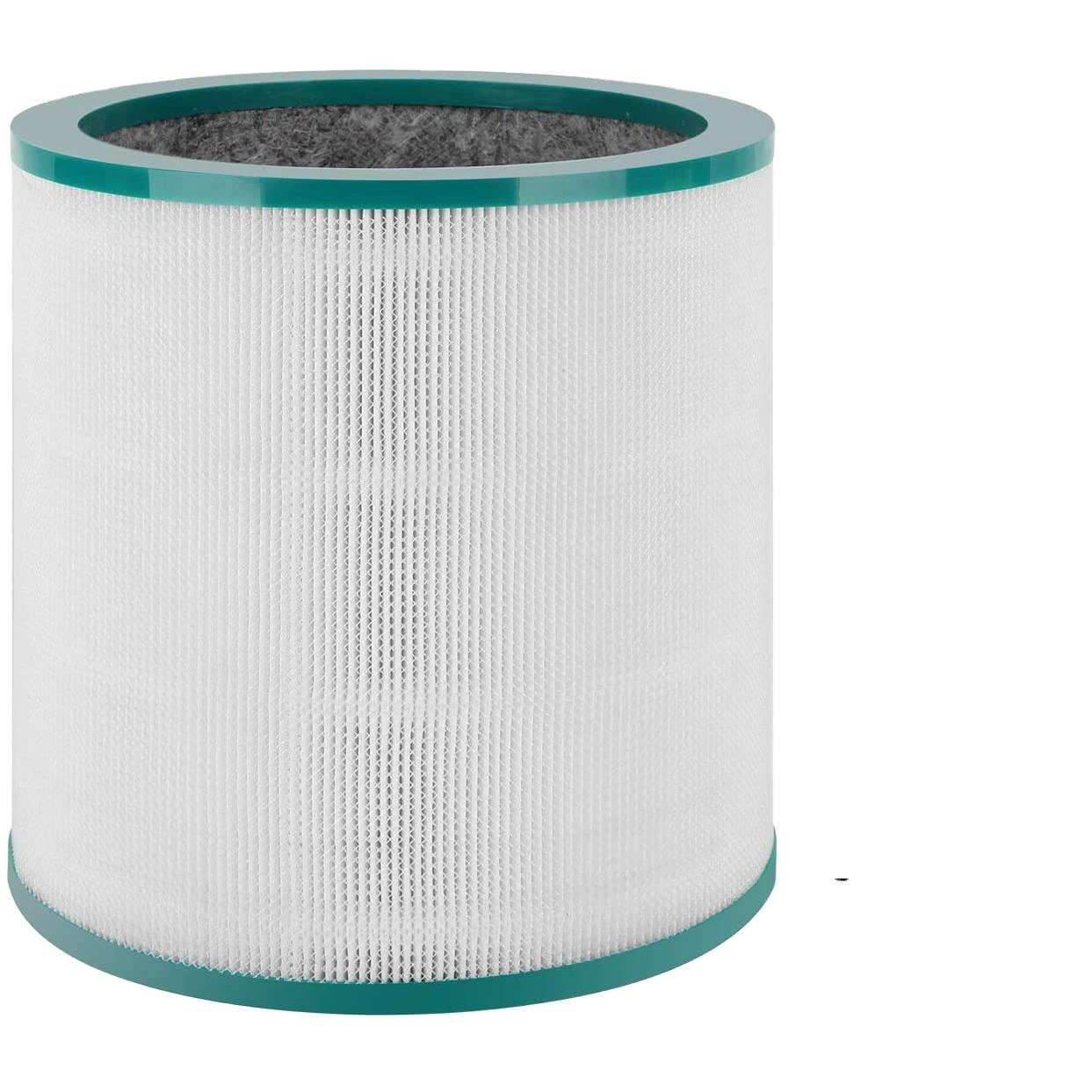
The Science Behind HEPA Filtration Technology
Understanding Particle Size and Capture Mechanisms
HEPA filtration operates through three distinct physical mechanisms that work simultaneously to capture microscopic particles. The first mechanism, impaction, occurs when larger particles collide directly with filter fibers due to their inertia. Interception happens when particles follow airflow streamlines that pass close enough to fibers for the particles to be captured. The third mechanism, diffusion, affects the smallest particles through Brownian motion, causing them to move erratically and eventually contact filter fibers.
The dyson hepa filter demonstrates exceptional performance across this entire spectrum of capture mechanisms. The filter medium consists of densely packed synthetic fibers arranged in a pleated configuration that maximizes surface area while maintaining optimal airflow resistance. This design ensures that particles ranging from large dust mites to submicron allergens are effectively trapped within the filter matrix. The random fiber arrangement creates a tortuous path for air molecules, increasing the probability of particle-fiber interactions.
Filter Media Construction and Material Properties
Modern dyson hepa filter construction utilizes specialized synthetic materials that provide superior durability and filtration efficiency compared to traditional paper-based filters. The primary filter medium typically consists of polypropylene or polyethylene fibers that resist moisture, chemicals, and biological degradation. These materials maintain their structural integrity under varying temperature and humidity conditions, ensuring consistent performance throughout the filter's operational lifespan.
The manufacturing process involves precise control of fiber diameter, density, and electrostatic charge distribution. Electrostatic enhancement techniques applied during production increase the filter's ability to attract and retain charged particles through coulombic forces. This additional capture mechanism complements the mechanical filtration processes, particularly for particles in the most penetrating particle size range of 0.1 to 0.3 microns.
Microscopic Dust Composition and Health Implications
Common Sources of Indoor Microscopic Particles
Indoor environments contain a complex mixture of microscopic particles originating from various sources both inside and outside the home. Skin cells shed by humans and pets constitute a significant portion of household dust, providing nutrition for dust mites that produce allergenic proteins. Textile fibers from carpets, upholstery, and clothing continuously break down into microscopic fragments that become airborne through normal household activities.
External sources contribute additional contaminants through ventilation systems, open windows, and air infiltration. Pollen grains, although typically larger than HEPA-filterable particles, often fragment into smaller allergenic components that can penetrate deep into the respiratory system. Vehicle exhaust particles, industrial emissions, and wildfire smoke introduce combustion-related contaminants that pose serious health risks when concentrated in indoor environments. A high-quality dyson hepa filter effectively captures these diverse particle types, maintaining healthier indoor air quality.
Particle Size Distribution and Respiratory Impact
The size of airborne particles directly correlates with their potential health impact and the body's natural defense mechanisms. Particles larger than 10 microns are typically filtered by nasal hairs and mucous membranes in the upper respiratory tract. However, particles between 0.1 and 10 microns can penetrate deeper into the lungs, with the smallest particles reaching the alveolar regions where gas exchange occurs.
Ultrafine particles smaller than 0.1 microns present unique challenges due to their ability to cross biological barriers and enter the bloodstream. These particles can carry toxic compounds directly to vital organs, potentially causing systemic health effects. The dyson hepa filter addresses this concern by maintaining high efficiency across the entire submicron particle size range, providing comprehensive protection against both immediate respiratory irritation and long-term health consequences.
Dyson HEPA Filter Performance Characteristics
Efficiency Standards and Testing Protocols
HEPA filters must meet stringent performance standards established by international organizations to qualify for the HEPA designation. The most commonly referenced standard requires minimum 99.97% efficiency for 0.3-micron particles, which represents the most penetrating particle size for most filter designs. Testing protocols utilize monodisperse aerosols generated under controlled laboratory conditions to verify filter performance across the entire particle size spectrum.
The dyson hepa filter typically exceeds these minimum requirements, often achieving efficiency levels above 99.99% for the critical 0.3-micron test particles. Advanced manufacturing techniques and quality control processes ensure consistent performance across production batches. Independent testing laboratories verify these performance claims using standardized procedures that simulate real-world operating conditions, including varying airflow rates, particle loading, and environmental factors.
Airflow Dynamics and Pressure Drop Considerations
Effective air purification requires balancing high filtration efficiency with reasonable pressure drop across the filter medium. Excessive pressure drop reduces system airflow, limiting the volume of air that can be processed per unit time. The pleated design of a dyson hepa filter optimizes this balance by providing maximum filtration surface area within compact dimensions, maintaining adequate airflow while preserving high particle capture efficiency.
Computational fluid dynamics modeling guides the optimization of pleat geometry, spacing, and depth to minimize pressure drop while maximizing particle capture probability. The dyson hepa filter incorporates these design principles to deliver superior performance in residential air purification applications. Advanced seal designs prevent air bypass around filter edges, ensuring that all processed air passes through the filtration medium.
Installation and Maintenance Best Practices
Proper Filter Installation Techniques
Correct installation of a dyson hepa filter is crucial for achieving optimal performance and preventing air bypass that could compromise filtration efficiency. The filter housing must be inspected for damage, debris, or seal degradation before installing a new filter. Gaskets and sealing surfaces should be clean and properly aligned to ensure an airtight seal between the filter and housing components.
Filter orientation markings indicate the correct airflow direction and must be observed during installation. Reversing the filter can damage the filter medium and significantly reduce performance. The installation process should include verification that the filter seats properly in the housing without gaps or misalignment that could allow unfiltered air to bypass the filtration medium.
Monitoring Filter Performance and Replacement Timing
Regular monitoring of dyson hepa filter performance helps maintain optimal air purification effectiveness and prevents premature system failure. Pressure differential measurements across the filter provide quantitative data about filter loading and remaining service life. Most systems include pressure gauges or electronic sensors that alert users when replacement is necessary.
Visual inspection can supplement pressure monitoring, particularly for identifying unusual contamination patterns or physical damage. A properly functioning dyson hepa filter should maintain its structural integrity throughout its service life, with gradual darkening indicating normal particle accumulation. Sudden changes in appearance or performance may indicate exposure to inappropriate contaminants or operating conditions that exceed design specifications.
Advanced Applications and Future Developments
Integration with Smart Home Technologies
Modern air purification systems increasingly incorporate intelligent monitoring and control capabilities that optimize dyson hepa filter performance based on real-time air quality measurements. Particle counters, volatile organic compound sensors, and humidity monitors provide continuous feedback about indoor air conditions, automatically adjusting fan speeds and operating schedules to maintain optimal air quality while maximizing filter life.
Machine learning algorithms analyze usage patterns and environmental conditions to predict optimal maintenance schedules and identify potential system issues before they impact performance. These smart systems can differentiate between normal filter loading and unusual conditions that might require immediate attention, providing users with actionable information about their air purification system's performance.
Emerging Filtration Technologies and Enhancements
Research and development efforts continue to advance dyson hepa filter technology through innovative materials and manufacturing processes. Nanofiber technology promises to create filter media with even higher efficiency and lower pressure drop than current designs. These advanced materials could enable more compact filter designs while maintaining or improving performance characteristics.
Antimicrobial treatments and photocatalytic coatings represent additional enhancement opportunities for future dyson hepa filter designs. These technologies could neutralize captured microorganisms and break down certain gaseous pollutants, expanding the filter's capabilities beyond simple particle removal. Integration of these advanced features must balance performance benefits with cost considerations and long-term reliability requirements.
FAQ
How often should I replace my dyson hepa filter?
The replacement frequency for a dyson hepa filter depends on several factors including usage patterns, indoor air quality, and environmental conditions. Under normal residential conditions, most dyson hepa filters should be replaced every 6 to 12 months. However, homes with pets, smokers, or high dust levels may require more frequent replacement. Monitor the pressure differential across the filter and replace when it reaches the manufacturer's recommended threshold, typically when airflow decreases noticeably or pressure drop doubles from the initial clean filter value.
Can I wash and reuse a dyson hepa filter?
Most dyson hepa filters are designed as disposable units and should not be washed or cleaned for reuse. Washing can damage the delicate filter media, compromising its efficiency and potentially releasing trapped contaminants back into the air. The filter medium relies on electrostatic charges and precise fiber arrangements that are disrupted by water exposure. Always replace a used dyson hepa filter with a new one to maintain optimal air purification performance and protect indoor air quality.
What is the difference between H11, H12, and H13 HEPA filters?
The designations H11, H12, and H13 refer to different efficiency grades within the HEPA classification system. H11 filters capture at least 95% of 0.3-micron particles, while H12 filters achieve 99.5% efficiency, and H13 filters reach 99.95% efficiency for the same particle size. A dyson hepa filter typically meets H12 or H13 standards, providing superior protection against microscopic contaminants. Higher grade filters offer better particle capture but may have slightly higher pressure drop, requiring more powerful fans to maintain adequate airflow rates.
How do I know if my dyson hepa filter is working properly?
Several indicators can help determine if your dyson hepa filter is functioning correctly. Reduced airflow from the air purifier often signals filter loading or blockage. Visible dust accumulation on surfaces despite regular air purifier operation may indicate filter degradation or improper installation. Many modern systems include filter replacement indicators that monitor pressure drop or operating time. Professional air quality testing can provide definitive assessment of filter performance, measuring particle concentrations upstream and downstream of the filter to verify efficiency levels.