
 EN
EN
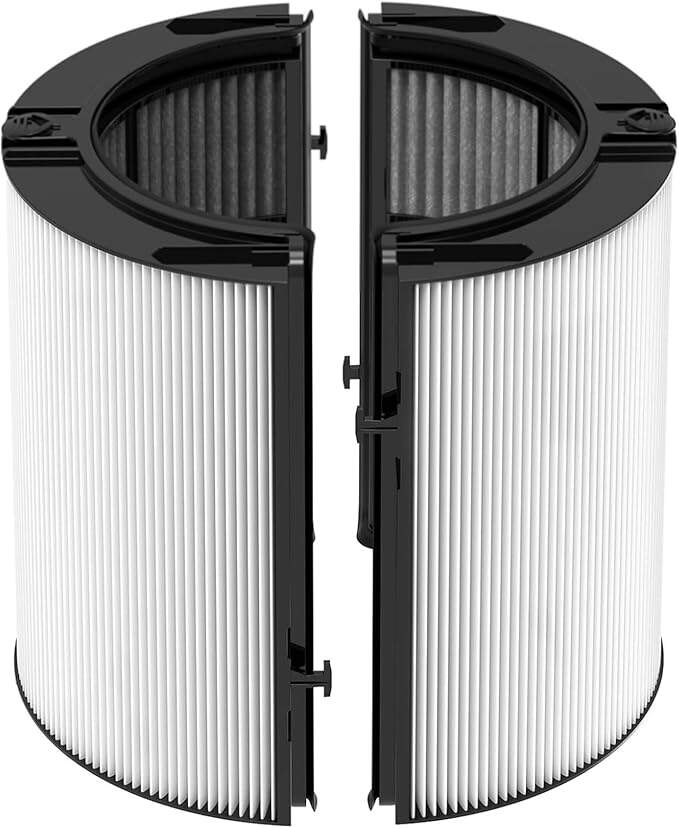
Seasonal allergies and indoor air quality concerns affect millions of households worldwide, driving many to seek effective air purification solutions. Among the most recognized technologies in modern air purification systems is the High Efficiency Particulate Air filter, commonly known as HEPA filtration. When integrated into advanced air purification devices, a dyson hepa filter represents one of the most sophisticated approaches to capturing microscopic allergens and improving indoor air quality for sensitive individuals.
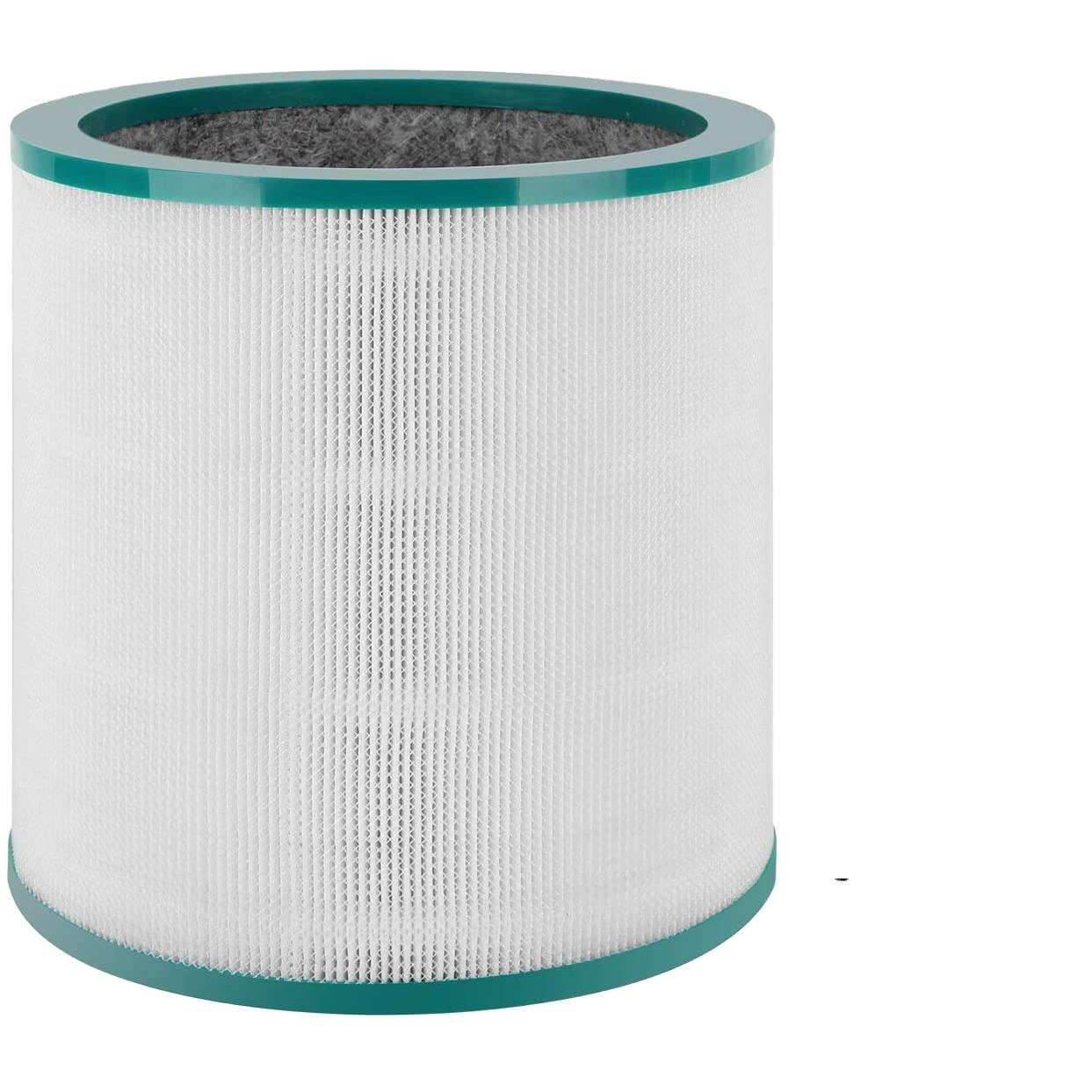
Understanding the connection between air filtration technology and allergy management requires examining how microscopic particles behave in indoor environments. Dust mites, pollen grains, pet dander, and other common allergens typically measure between 0.1 to 100 microns in diameter. These particles can remain airborne for extended periods, continuously circulating through living spaces and triggering allergic reactions in susceptible individuals. The effectiveness of any air purification system depends largely on its ability to capture these problematic particles before they can be inhaled or settle on surfaces throughout the home.
Understanding HEPA Filter Technology
Scientific Principles Behind HEPA Filtration
HEPA filtration operates through three distinct mechanical processes that work simultaneously to capture airborne particles. The first mechanism, known as impaction, occurs when larger particles collide directly with filter fibers due to their inability to follow air streamlines around obstacles. Interception takes place when particles traveling close to fiber surfaces are captured within one particle radius of the fiber. The third process, diffusion, affects the smallest particles through Brownian motion, causing them to move erratically and eventually contact filter fibers.
True HEPA filters must demonstrate the ability to remove at least 99.97% of particles measuring 0.3 microns in diameter during standardized testing procedures. This specific size represents the Most Penetrating Particle Size, where filtration efficiency typically reaches its lowest point. Particles both larger and smaller than 0.3 microns are actually captured more efficiently due to the varying dominance of different capture mechanisms across the particle size spectrum.
Construction and Material Composition
Modern dyson hepa filter systems incorporate dense mats of fine fibers, typically composed of glass microfibers arranged in complex three-dimensional structures. These fibers are pleated to maximize surface area within compact housing designs, allowing for greater particle capture capacity while maintaining reasonable airflow resistance. The pleating pattern and fiber density are precisely engineered to balance filtration efficiency with the pressure drop across the filter medium.
Advanced filter designs may incorporate activated carbon layers or antimicrobial treatments to address gaseous pollutants and prevent microbial growth within the filter matrix. The housing and sealing systems ensure that all air passes through the filter medium rather than bypassing around edges, maintaining the integrity of the filtration process throughout the operational lifetime of the device.
Allergy Relief Mechanisms
Particle Capture Effectiveness
The relationship between particle size and allergenic potential plays a crucial role in determining how effectively a dyson hepa filter can provide relief for allergy sufferers. Common allergens like pollen typically range from 10 to 100 microns, making them relatively easy targets for HEPA filtration systems. Pet dander particles generally measure between 0.5 to 50 microns, while dust mite allergens often attach to particles in the 1 to 10 micron range, all falling well within the capture capabilities of properly functioning HEPA filters.
Research studies have demonstrated that consistent use of high-quality air purification systems can significantly reduce airborne allergen concentrations in residential environments. The continuous circulation and filtration of indoor air gradually removes accumulated allergens from the breathing zone, potentially reducing the total allergen load that sensitive individuals encounter throughout their daily activities. This reduction in exposure can translate to measurable improvements in symptom severity for many allergy sufferers.
Indoor Air Quality Impact
Beyond specific allergen removal, comprehensive air filtration systems contribute to overall indoor air quality improvements that can benefit respiratory health. Fine particulate matter from outdoor pollution, cooking activities, and other indoor sources can exacerbate allergic sensitivities and respiratory irritation. A properly sized dyson hepa filter system can effectively address these additional airborne contaminants, creating a cleaner indoor environment that supports better respiratory function.
The cumulative effect of reduced particulate loading in indoor air extends beyond immediate symptom relief. Lower overall particle concentrations can reduce the inflammatory burden on respiratory systems, potentially allowing for better management of underlying allergic sensitivities and improved quality of life for affected individuals. This holistic approach to indoor air quality management represents a significant advantage of comprehensive filtration systems.
Performance Factors and Considerations
Room Size and Air Exchange Rates
The effectiveness of any air purification system depends critically on proper sizing relative to the intended coverage area. Air purifiers are typically rated based on their Clean Air Delivery Rate, which indicates the volume of filtered air delivered per unit time for specific particle sizes. For optimal allergy relief, the system should be capable of achieving at least 4-6 complete air changes per hour in the target room, ensuring that airborne allergens are continuously removed before they can accumulate to problematic levels.
Room layout, ceiling height, and airflow patterns also influence filtration effectiveness. Open floor plans may require multiple units or higher-capacity systems to ensure adequate coverage throughout the space. The placement of the dyson hepa filter unit should consider airflow patterns and potential obstacles that might interfere with air circulation and particle capture efficiency.
Maintenance and Filter Replacement
Maintaining optimal performance from HEPA filtration systems requires attention to regular filter replacement and system maintenance. As filters accumulate captured particles, airflow resistance increases and filtration efficiency may decline. Most manufacturers provide replacement interval guidelines based on average usage conditions, but households with higher allergen loads or air quality challenges may require more frequent filter changes to maintain peak performance.
Filter loading patterns can vary significantly based on environmental factors such as outdoor air quality, pet ownership, household activities, and seasonal allergen levels. Monitoring system performance indicators and being attentive to changes in noise levels or airflow can help identify when filter replacement is needed. Some advanced systems include filter life indicators that track usage and environmental conditions to provide more accurate replacement timing recommendations.
Integration with Comprehensive Allergy Management
Complementary Environmental Controls
While a dyson hepa filter system can provide significant benefits for allergy management, optimal results are typically achieved when air filtration is combined with other environmental control measures. Regular cleaning practices that focus on allergen removal, such as frequent vacuuming with HEPA-equipped vacuum cleaners and washing bedding in hot water, work synergistically with air purification to reduce overall allergen exposure.
Humidity control represents another important factor in comprehensive allergy management strategies. Maintaining indoor relative humidity between 30-50% can help prevent dust mite proliferation and reduce mold growth, both common triggers for allergic reactions. Some integrated air purification systems include humidity monitoring and control features that work alongside filtration to optimize the indoor environment for allergy management.
Long-term Health Benefits
Research into the long-term health impacts of improved indoor air quality suggests that consistent use of high-efficiency air filtration can provide benefits beyond immediate symptom relief. Reduced exposure to airborne allergens and other particulate matter may help prevent the development of new sensitivities and could potentially slow the progression of existing allergic conditions. This preventive aspect of air filtration makes it a valuable investment in long-term respiratory health.
The psychological benefits of improved symptom control should not be overlooked in evaluating the overall value of air purification systems. Better sleep quality, reduced anxiety about allergen exposure, and increased confidence in indoor air quality can contribute significantly to overall well-being and quality of life for individuals managing chronic allergic conditions.
Technology Advancement and Future Developments
Smart Integration and Monitoring
Modern air purification systems increasingly incorporate smart technology features that enhance their effectiveness for allergy management. Real-time air quality monitoring allows systems to adjust filtration intensity based on detected particle levels, ensuring optimal performance when allergen concentrations are elevated. Mobile app integration enables remote monitoring and control, allowing users to respond to changing air quality conditions even when away from home.
Advanced sensor technology can distinguish between different types of airborne particles and pollutants, providing detailed information about indoor air quality conditions. This granular data helps users understand their specific exposure patterns and optimize their dyson hepa filter system operation for maximum allergy relief. Some systems can even integrate with local pollen forecasts and weather data to proactively adjust filtration settings during high allergen periods.
Filter Technology Evolution
Ongoing research and development in filter technology continues to improve the capabilities of HEPA filtration systems. Enhanced fiber structures and advanced pleating techniques allow for greater surface area and improved particle capture efficiency within compact form factors. New materials and manufacturing processes are reducing the pressure drop across filters while maintaining or improving filtration performance, enabling more energy-efficient operation.
Hybrid filtration approaches that combine HEPA mechanical filtration with electrostatic enhancement or photocatalytic oxidation show promise for addressing both particulate and gaseous pollutants in a single system. These multi-stage filtration technologies may provide more comprehensive air quality improvements for individuals dealing with multiple environmental sensitivities beyond traditional allergen concerns.
FAQ
How often should I replace my dyson hepa filter for optimal allergy relief?
Filter replacement frequency depends on usage patterns, environmental conditions, and allergen loads in your specific location. Most manufacturers recommend replacement every 6-12 months under normal conditions, but households with pets, high pollen exposure, or multiple allergy sufferers may benefit from more frequent replacement every 3-6 months. Monitor your system's performance indicators and replace filters when airflow decreases noticeably or when recommended by built-in filter life monitoring systems.
Can a dyson hepa filter remove all types of allergens from indoor air?
HEPA filtration is highly effective at capturing particulate allergens including pollen, dust mites, pet dander, and mold spores that are 0.3 microns or larger. However, some allergens may exist as gaseous compounds or may be attached to particles smaller than the filter's most penetrating particle size. For comprehensive allergen control, consider systems that combine HEPA filtration with activated carbon or other technologies designed to address gaseous pollutants and ultrafine particles.
What room size can a single dyson hepa filter unit effectively cover?
The effective coverage area depends on the unit's Clean Air Delivery Rate and the desired number of air changes per hour. For allergy relief, aim for 4-6 air changes per hour, which means dividing the unit's CADR by 4-6 to determine the maximum room size in square feet. A typical residential air purifier might effectively cover 200-400 square feet, but larger or more powerful units can handle spaces up to 1000 square feet or more.
Will running a dyson hepa filter continuously increase my energy costs significantly?
Modern air purification systems are designed for continuous operation with relatively low energy consumption. Most units use between 20-100 watts of power, similar to a standard light bulb. Running a typical unit 24/7 might cost $20-60 per year in electricity, depending on local rates and the specific model. The energy cost is generally minimal compared to the potential health benefits and reduced need for other allergy management interventions.
Table of Contents
- Understanding HEPA Filter Technology
- Allergy Relief Mechanisms
- Performance Factors and Considerations
- Integration with Comprehensive Allergy Management
- Technology Advancement and Future Developments
-
FAQ
- How often should I replace my dyson hepa filter for optimal allergy relief?
- Can a dyson hepa filter remove all types of allergens from indoor air?
- What room size can a single dyson hepa filter unit effectively cover?
- Will running a dyson hepa filter continuously increase my energy costs significantly?