
 EN
EN
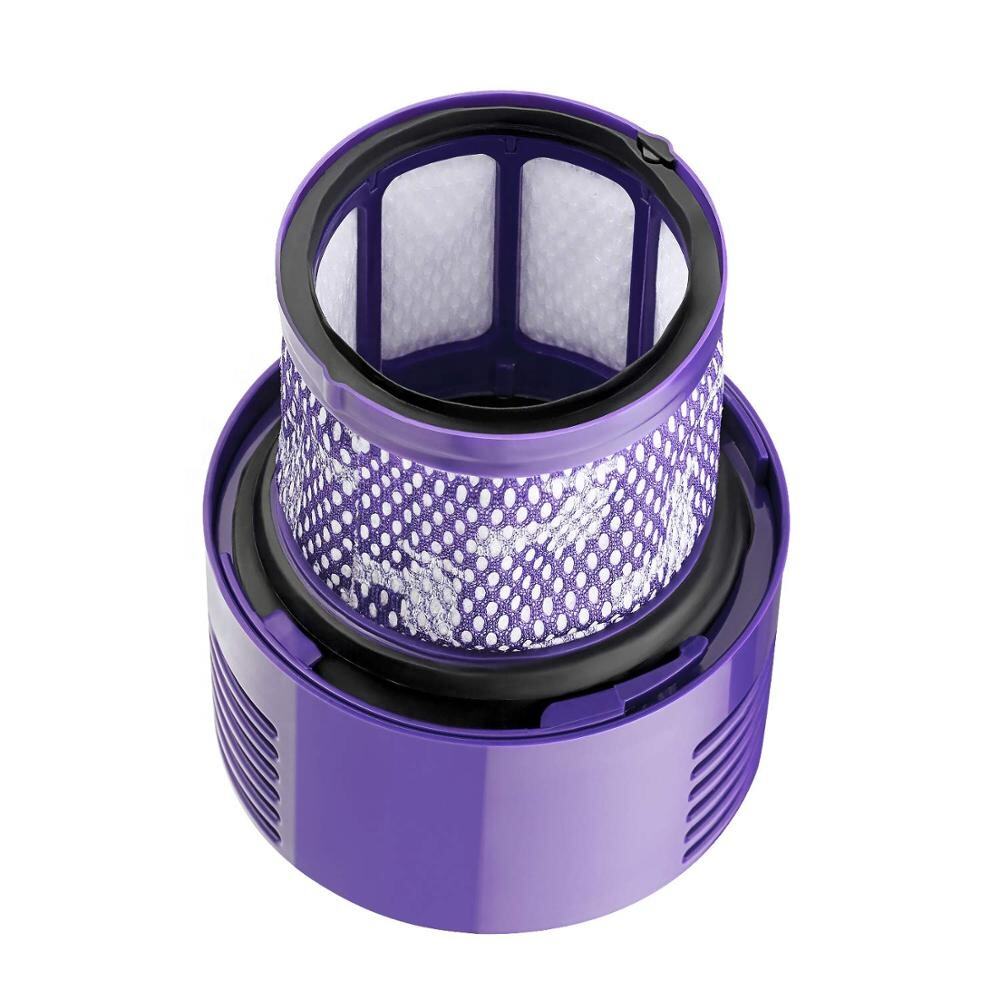
High-efficiency particulate air filtration has revolutionized indoor air quality, and Dyson stands at the forefront of this technological advancement. The sophisticated engineering behind a dyson hepa filter represents decades of research into capturing microscopic particles that threaten respiratory health. These advanced filtration systems employ multi-layered technology that can trap particles as small as 0.3 microns with remarkable efficiency. Understanding the intricate design and functionality of these filters helps consumers make informed decisions about their air purification needs. The dyson hepa filter technology combines innovative materials science with precise manufacturing to deliver exceptional performance in both residential and commercial environments.
Advanced Filtration Mechanisms in Modern Air Purification
Multi-Stage Particle Capture Technology
The foundation of effective air purification lies in understanding how different filtration stages work together to remove contaminants. A dyson hepa filter utilizes a sophisticated multi-stage approach that begins with pre-filtration to capture larger particles like dust and debris. This initial stage prevents the primary HEPA media from becoming prematurely clogged, extending the overall lifespan of the system. The pre-filter typically consists of a coarse mesh or foam material designed to trap particles larger than ten microns without creating excessive airflow resistance.
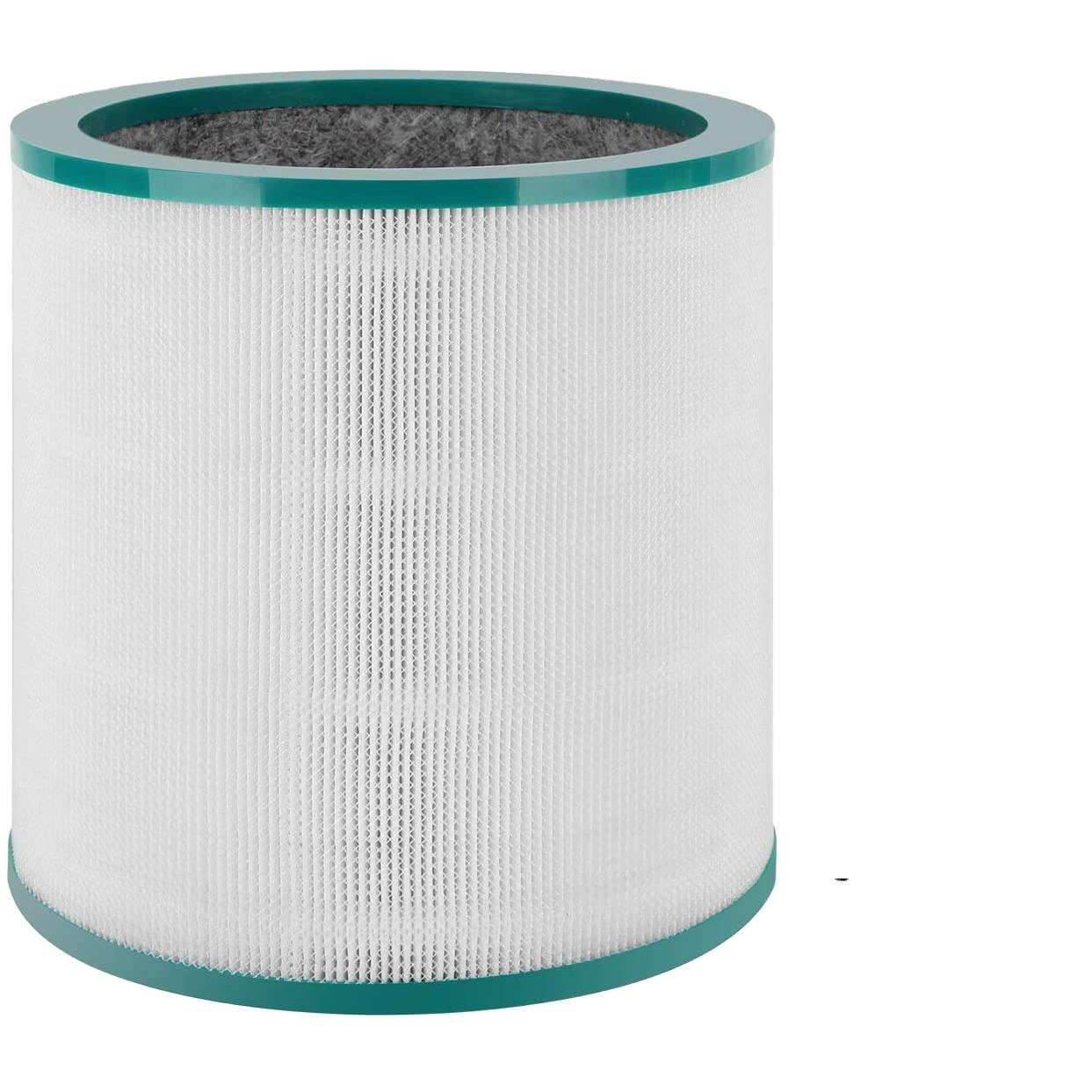
Following the pre-filtration stage, air passes through the primary HEPA media, where the most critical particle capture occurs. The dyson hepa filter employs pleated borosilicate glass fibers arranged in a precise configuration that maximizes surface area while maintaining optimal airflow characteristics. This design ensures that microscopic particles encounter multiple fiber surfaces during their journey through the filter, significantly increasing the probability of capture through various physical mechanisms including impaction, interception, and diffusion.
Microscopic Particle Interception Principles
The science behind particle capture in HEPA filtration involves complex physical principles that govern how microscopic contaminants interact with filter media. When air carrying particles flows through a dyson hepa filter, three primary mechanisms work simultaneously to remove contaminants from the airstream. Impaction occurs when larger particles follow air streamlines and collide directly with filter fibers due to their inertia. This mechanism is particularly effective for particles larger than one micron in diameter.
Interception takes place when particles following air streamlines pass close enough to fiber surfaces to be captured by van der Waals forces or other attractive interactions. The dyson hepa filter design optimizes fiber spacing and diameter to maximize interception efficiency across a wide range of particle sizes. Diffusion becomes the dominant capture mechanism for the smallest particles, typically those smaller than 0.1 microns, which exhibit random Brownian motion that increases their probability of contacting filter fibers during their passage through the media.
Material Science and Construction Excellence
High-Performance Filter Media Composition
The exceptional performance of modern air filtration systems depends heavily on the quality and composition of the filter media itself. A dyson hepa filter incorporates specially manufactured borosilicate glass microfibers that provide superior particle capture efficiency while maintaining structural integrity under varying environmental conditions. These glass fibers offer several advantages over traditional cellulose-based materials, including resistance to moisture, chemicals, and biological degradation that can compromise filter performance over time.
The manufacturing process for creating these specialized glass fibers involves precise control of temperature, airflow, and chemical composition to produce fibers with consistent diameter and surface characteristics. The dyson hepa filter media undergoes rigorous quality testing to ensure that fiber distribution remains uniform throughout the pleated structure, preventing weak spots that could allow particle bypass. Additionally, the glass composition includes specific additives that enhance electrostatic properties, improving capture efficiency for charged particles commonly found in indoor environments.
Structural Design and Airflow Optimization
The physical construction of HEPA filters requires careful balance between filtration efficiency and airflow resistance to achieve optimal performance. The pleated design of a dyson hepa filter maximizes the available surface area within a compact form factor, allowing for extended service life while maintaining consistent airflow rates. The pleating process involves precise folding techniques that ensure uniform spacing between adjacent pleats, preventing air channeling that could reduce overall filtration effectiveness.
Structural support elements within the filter assembly play crucial roles in maintaining pleat geometry under varying pressure conditions and mechanical stress. The dyson hepa filter incorporates reinforcement materials that prevent pleat collapse while allowing for necessary flexibility during installation and operation. Edge sealing technology ensures that all air passing through the system must traverse the filter media, eliminating bypass pathways that could compromise particle removal efficiency.
Performance Standards and Testing Protocols
Industry Certification Requirements
HEPA filter performance is governed by strict international standards that define minimum efficiency requirements for particle removal across specified size ranges. The designation of a true dyson hepa filter requires compliance with standards such as EN 1822 in Europe or similar specifications in other regions, which mandate minimum particle removal efficiency of 99.97% for particles measuring 0.3 microns in diameter. These standards also specify testing protocols that ensure consistent and reliable performance evaluation across different manufacturers and product lines.
Testing procedures for HEPA filters involve sophisticated particle generation and measurement equipment capable of accurately counting microscopic particles both upstream and downstream of the filter media. The dyson hepa filter undergoes comprehensive evaluation using standardized test aerosols that simulate real-world contaminants, ensuring that laboratory performance translates effectively to actual operating conditions. Quality assurance protocols include both initial certification testing and ongoing production monitoring to maintain consistent performance standards across all manufactured units.
Real-World Performance Validation
While laboratory testing provides essential baseline performance data, real-world validation demonstrates how HEPA filters perform under actual operating conditions with varying particle loads, humidity levels, and airflow patterns. Field testing of dyson hepa filter systems involves continuous monitoring of particle concentrations in occupied spaces over extended periods to verify sustained filtration effectiveness. These studies provide valuable insights into filter loading patterns, maintenance requirements, and overall system durability under normal usage conditions.
Performance validation also encompasses evaluation of filter behavior during startup, shutdown, and variable speed operation cycles that occur in typical residential and commercial applications. The dyson hepa filter demonstrates consistent performance across these operating scenarios, maintaining high particle removal efficiency while adapting to changing environmental conditions and usage patterns.
Applications and Environmental Benefits
Residential Air Quality Enhancement
The implementation of advanced HEPA filtration technology in residential settings addresses growing concerns about indoor air quality and its impact on human health and comfort. A dyson hepa filter effectively removes common household contaminants including pet dander, pollen, dust mites, and various airborne allergens that can trigger respiratory symptoms in sensitive individuals. The continuous operation of these filtration systems creates cleaner indoor environments that support better sleep quality, reduced allergy symptoms, and improved overall well-being for occupants.
Modern homes often feature improved insulation and energy-efficient construction that can inadvertently trap indoor air pollutants, making mechanical air filtration increasingly important for maintaining healthy living spaces. The dyson hepa filter technology addresses this challenge by providing consistent contaminant removal without requiring significant modifications to existing HVAC systems or building structures. Integration with smart home technology allows for automated operation and monitoring, ensuring optimal air quality maintenance with minimal user intervention.
Commercial and Industrial Applications
Beyond residential applications, HEPA filtration technology plays critical roles in commercial and industrial environments where air quality directly impacts productivity, product quality, and regulatory compliance. Healthcare facilities rely on dyson hepa filter systems to maintain sterile environments necessary for patient safety and infection control protocols. The ability to remove airborne pathogens, including bacteria and viruses, makes these filtration systems essential components of comprehensive facility air management strategies.
Manufacturing environments benefit from HEPA filtration through protection of sensitive processes and products from airborne contamination. Clean room applications demand the highest levels of particle control, where dyson hepa filter technology ensures compliance with strict cleanliness standards required for semiconductor manufacturing, pharmaceutical production, and precision assembly operations. The reliable performance and consistent efficiency of these filters support quality control objectives while reducing the risk of costly production disruptions caused by airborne contamination.
Maintenance and Longevity Considerations
Filter Replacement Indicators and Scheduling
Proper maintenance of HEPA filtration systems requires understanding when filters need replacement to maintain optimal performance and prevent system damage. Most modern air purifiers equipped with dyson hepa filter technology include electronic monitoring systems that track filter loading and provide timely replacement notifications based on actual usage conditions rather than arbitrary time intervals. These intelligent monitoring systems analyze airflow patterns, particle loading rates, and operating hours to determine the most appropriate replacement schedule for each specific installation.
Visual inspection of filter condition provides additional confirmation of replacement needs, with signs of heavy particle loading, physical damage, or unusual discoloration indicating that filter replacement should be prioritized. The dyson hepa filter design incorporates features that make replacement straightforward and safe, minimizing exposure to captured contaminants during the replacement process. Proper disposal of used filters follows environmental guidelines that ensure captured pollutants do not re-enter the environment during disposal activities.
Performance Optimization Strategies
Maximizing the lifespan and effectiveness of HEPA filtration systems involves implementing operational strategies that reduce unnecessary filter loading while maintaining optimal air quality levels. Pre-filtration systems can significantly extend dyson hepa filter life by removing larger particles before they reach the primary filter media, reducing the overall particle load and maintaining airflow characteristics for extended periods. Regular cleaning of pre-filters and air intake areas prevents premature system loading and ensures consistent performance over time.
Environmental factors such as humidity control, source reduction, and proper system sizing also influence filter performance and longevity. Operating a dyson hepa filter system in environments with controlled humidity levels prevents moisture-related degradation and maintains optimal filtration efficiency throughout the service life. Source control measures that reduce the introduction of airborne contaminants at their origin can substantially decrease filter loading rates and extend replacement intervals while maintaining superior air quality standards.
FAQ
How often should a dyson hepa filter be replaced
The replacement frequency for a dyson hepa filter depends on several factors including usage intensity, environmental conditions, and air quality levels in the installation location. Under typical residential conditions with moderate usage, most HEPA filters require replacement every 12 to 18 months. However, environments with higher particle loads such as homes with multiple pets, smoking, or proximity to industrial sources may require more frequent replacement every 6 to 12 months. Modern air purifiers often include filter life indicators that provide more accurate replacement timing based on actual filter loading rather than elapsed time alone.
What particle sizes can dyson hepa filters effectively remove
A properly certified dyson hepa filter removes at least 99.97% of particles measuring 0.3 microns in diameter, which represents the most penetrating particle size for HEPA media. However, these filters are actually more efficient at capturing both larger and smaller particles due to different physical capture mechanisms. Particles larger than 0.3 microns are captured more easily through impaction and interception, while smaller particles are captured through diffusion processes, often achieving removal efficiencies exceeding 99.99% for particles outside the 0.3-micron range.
Can dyson hepa filters remove viruses and bacteria from indoor air
Yes, dyson hepa filters are highly effective at removing viruses and bacteria from indoor air streams. Most viruses range from 0.02 to 0.3 microns in size, while bacteria typically measure 0.5 to 5 microns in diameter. Since HEPA filters excel at capturing particles in these size ranges, they provide excellent protection against airborne pathogens. However, it is important to note that while the filter captures these microorganisms, proper handling during filter replacement and disposal is essential to prevent re-exposure to captured pathogens.
Do dyson hepa filters affect indoor humidity levels
Standard dyson hepa filters do not significantly alter indoor humidity levels during normal operation, as they are designed primarily for particle removal rather than moisture control. The filter media allows water vapor to pass through freely while capturing solid and liquid particles. However, extremely high humidity conditions can affect filter performance by promoting bacterial growth or causing filter media degradation over time. For optimal performance and longevity, dyson hepa filters should be operated in environments with relative humidity levels between 30% and 60% when possible.