
 EN
EN
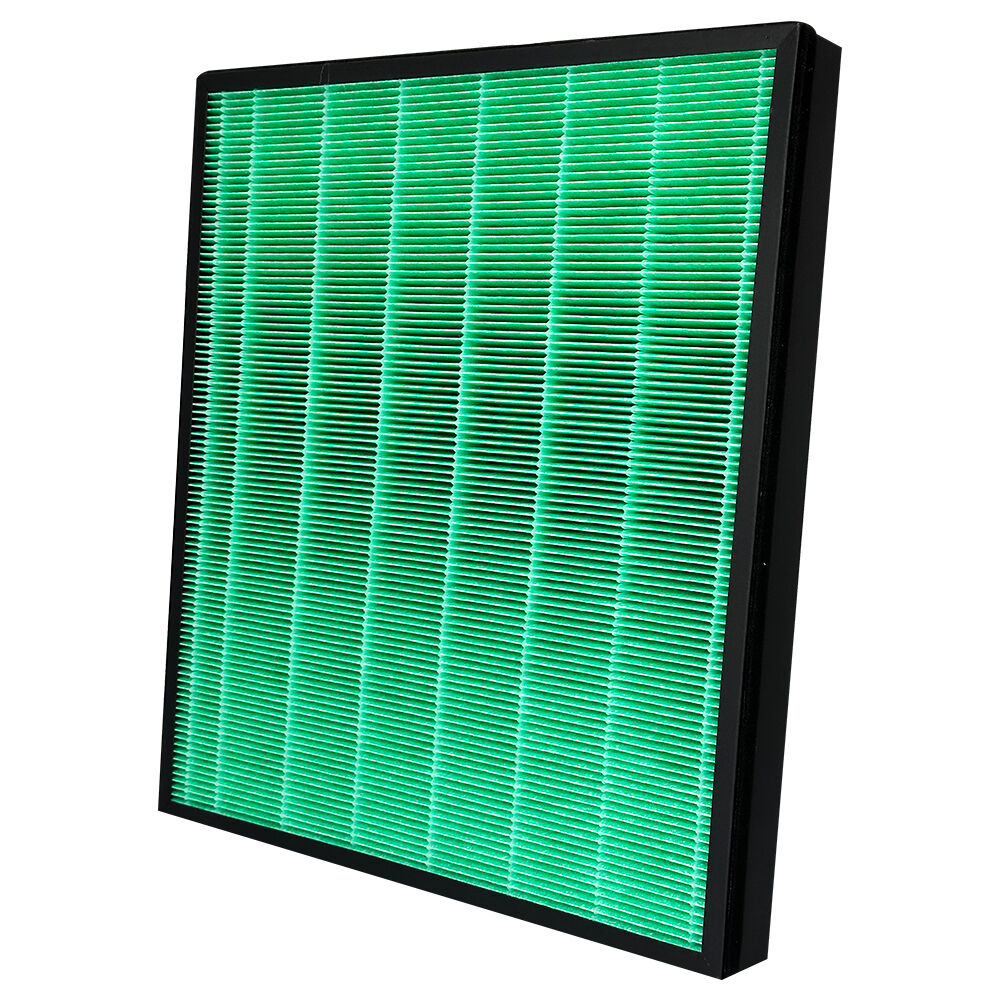
Indoor air quality has become a critical concern for homeowners and businesses seeking healthier environments. Among various air filtration technologies available today, HEPA filters stand out as the gold standard for removing airborne particles and contaminants. These high-efficiency particulate air filters deliver exceptional performance by capturing microscopic particles that other filtration systems often miss, making them an essential component in modern air purification strategies.
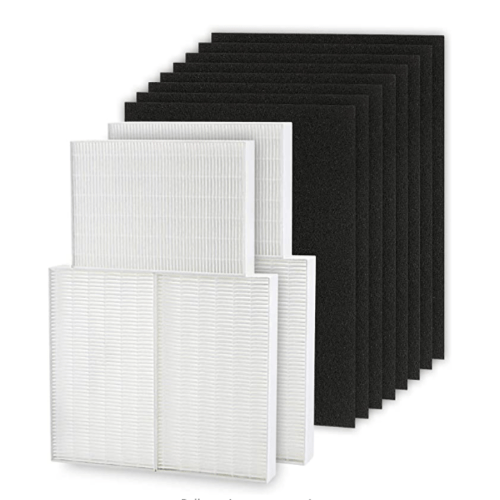
The reliability of HEPA filter technology stems from its rigorous construction standards and proven ability to maintain consistent filtration performance over extended periods. Unlike conventional air filters that may lose effectiveness over time, a properly maintained HEPA filter continues to operate at peak efficiency throughout its service life. This consistency makes HEPA filtration systems particularly valuable in environments where air quality cannot be compromised, from medical facilities to residential homes with family members who suffer from respiratory conditions.
Understanding HEPA Filter Technology
Core Construction and Materials
HEPA filter construction involves a complex arrangement of fine fibers that create a dense filtration matrix. The primary materials used in manufacturing include borosilicate glass fibers or synthetic alternatives that are pleated into accordion-style configurations. This pleated design maximizes the surface area available for particle capture while maintaining manageable filter dimensions. The spacing between fibers is precisely controlled during manufacturing to ensure optimal particle interception without creating excessive airflow resistance.
The frame construction of a HEPA filter typically utilizes aluminum, plastic, or cardboard materials depending on the intended application. High-grade sealants secure the filter media to the frame, preventing bypass air that could compromise filtration efficiency. Professional-grade HEPA filters often incorporate gasket systems that ensure airtight installation within air handling equipment, eliminating potential leak paths that would reduce overall system performance.
Filtration Mechanisms and Efficiency Standards
A HEPA filter operates through three primary particle capture mechanisms: impaction, interception, and diffusion. Larger particles are captured through impaction when they cannot follow airflow streamlines around filter fibers. Medium-sized particles are removed through interception when they travel close enough to fibers to be captured by van der Waals forces. The smallest particles are captured through diffusion, where random Brownian motion causes particles to deviate from airflow paths and contact filter fibers.
True HEPA filters must demonstrate minimum efficiency of 99.97% for particles measuring 0.3 micrometers in diameter, which represents the most penetrating particle size. This testing standard ensures that HEPA filter systems can effectively capture particles both larger and smaller than the 0.3-micrometer test size. The rigorous testing requirements provide confidence in HEPA filter performance across a wide range of particle sizes commonly found in indoor environments.
Applications Across Industries
Healthcare and Laboratory Environments
Healthcare facilities rely extensively on HEPA filter technology to maintain sterile environments and protect patients from airborne contaminants. Operating rooms utilize HEPA filtration systems to remove bacteria, viruses, and other microorganisms that could compromise surgical procedures. The consistent performance of HEPA filters makes them indispensable for maintaining the positive pressure differentials required in critical care areas and isolation rooms.
Laboratory environments depend on HEPA filter systems to prevent cross-contamination between samples and protect researchers from hazardous particles. Clean rooms in pharmaceutical manufacturing facilities use multiple stages of HEPA filtration to achieve the ultra-clean conditions necessary for drug production. The reliability of HEPA filter performance ensures that these controlled environments maintain their specified cleanliness levels over extended operational periods.
Residential and Commercial Applications
Home air purifiers equipped with HEPA filter technology provide families with effective protection against allergens, pet dander, and other indoor air pollutants. The consistent performance of residential HEPA filters helps reduce symptoms for individuals with asthma, allergies, and other respiratory sensitivities. Many homeowners choose hepa filter systems because they offer superior particle removal compared to standard furnace filters.
Commercial buildings benefit from HEPA filter integration in their HVAC systems to improve overall indoor air quality for occupants. Office environments with HEPA filtration often report reduced sick days and improved employee productivity due to cleaner indoor air. The long service life and predictable performance characteristics of HEPA filters make them cost-effective solutions for maintaining healthy commercial spaces.
Performance Advantages Over Alternative Filtration Methods
Comparison with Standard Air Filters
Standard pleated air filters typically achieve efficiency ratings between 20% and 85% for particles in the 0.3-micrometer range, significantly lower than HEPA filter performance. While these conventional filters may capture larger particles like dust and pollen, they allow smaller particles including bacteria, viruses, and fine particulate matter to pass through unfiltered. The superior particle capture efficiency of HEPA filters provides comprehensive protection against a broader spectrum of airborne contaminants.
Electrostatic air filters rely on electrical charges to attract particles, but their efficiency can degrade over time as the electrostatic charge diminishes. Environmental factors such as humidity and particle loading can affect electrostatic filter performance unpredictably. HEPA filter systems maintain consistent efficiency throughout their service life regardless of environmental conditions, making them more reliable for critical applications.
Long-term Cost Effectiveness
Although HEPA filter systems may require higher initial investment compared to basic filtration options, their extended service life and superior performance often result in lower total cost of ownership. The consistent efficiency of HEPA filters means fewer filter changes may be required compared to lower-grade filters that must be replaced more frequently to maintain adequate performance. This reliability translates to reduced maintenance costs and improved system uptime.
Energy efficiency considerations also favor HEPA filter systems in many applications. Modern HEPA filter designs optimize the balance between particle capture efficiency and airflow resistance, minimizing the energy required to move air through the filtration system. The predictable pressure drop characteristics of HEPA filters allow HVAC systems to operate more efficiently compared to filters with variable or degrading performance characteristics.
Maintenance and Lifecycle Management
Proper Installation Procedures
Correct installation is crucial for achieving optimal HEPA filter performance and ensuring the reliability of the entire air filtration system. The filter housing must be inspected for damage or wear that could allow bypass air to circumvent the filter media. Gasket surfaces should be clean and properly aligned to create an airtight seal between the filter and housing. Any gaps or leaks in the installation will significantly compromise the effectiveness of even the highest-quality HEPA filter.
Airflow direction indicators on HEPA filter frames must be observed during installation to ensure proper orientation. Installing a HEPA filter backward can reduce efficiency and potentially damage the filter media due to reverse airflow patterns. Professional installation guidelines recommend verifying system airflow rates match the design specifications for the selected HEPA filter to optimize performance and service life.
Monitoring and Replacement Strategies
Effective HEPA filter maintenance programs include regular monitoring of pressure differential across the filter to track loading and performance degradation. Pressure sensors or manometers provide real-time feedback on filter condition, allowing maintenance teams to schedule replacements based on actual performance rather than arbitrary time intervals. This approach maximizes the service life of each HEPA filter while ensuring continuous protection against airborne contaminants.
Visual inspection of HEPA filter elements can reveal signs of damage or premature loading that might indicate upstream air handling problems. Discoloration patterns, tears, or separation of filter media from the frame require immediate attention to prevent bypass and maintain system integrity. Documentation of filter performance and replacement history helps identify trends and optimize maintenance schedules for specific installations and operating conditions.
Future Developments and Innovation
Advanced Materials and Manufacturing
Ongoing research in HEPA filter technology focuses on developing new fiber materials that can achieve higher efficiency while reducing airflow resistance. Nanofiber technologies show promise for creating HEPA filter media with enhanced particle capture mechanisms and improved durability. These advanced materials may enable the development of thinner HEPA filter designs that provide equivalent or superior performance compared to current products while requiring less space for installation.
Manufacturing process innovations continue to improve the consistency and quality of HEPA filter production. Automated pleating systems ensure uniform spacing and proper adhesive application throughout the filter assembly process. Quality control technologies including laser scanning and pressure testing verify that each HEPA filter meets specified performance standards before shipment to customers.
Integration with Smart Building Systems
Smart building technologies are increasingly incorporating HEPA filter monitoring and control systems that provide real-time performance data and predictive maintenance capabilities. Sensors integrated with HEPA filter installations can track particle counts, pressure differentials, and environmental conditions to optimize system operation. These intelligent systems can automatically adjust fan speeds, schedule filter replacements, and alert facility managers to potential issues before they compromise indoor air quality.
Internet connectivity enables remote monitoring of HEPA filter systems across multiple locations, allowing facility managers to track performance trends and coordinate maintenance activities efficiently. Data analytics applied to HEPA filter performance information can identify optimization opportunities and predict equipment lifecycles more accurately. This integration of HEPA filter technology with building automation systems represents the future of intelligent air quality management.
FAQ
How long do HEPA filters typically last in residential applications
HEPA filters in residential air purifiers typically last between 6 to 12 months depending on usage patterns and local air quality conditions. Homes with pets, high pollen counts, or other sources of airborne particles may require more frequent filter replacement. The consistent design of HEPA filter systems allows homeowners to monitor pressure differential or follow manufacturer recommendations for replacement timing to maintain optimal performance.
Can HEPA filters remove viruses and bacteria from indoor air
Yes, HEPA filters are highly effective at capturing viruses and bacteria due to their ability to remove particles as small as 0.1 micrometers with high efficiency. Most bacteria range from 0.5 to 3.0 micrometers, while viruses typically measure between 0.02 and 0.3 micrometers. The multi-mechanism particle capture of HEPA filter technology ensures effective removal of these biological contaminants from air streams.
What factors should be considered when selecting a HEPA filter system
Key factors for HEPA filter selection include room size, airflow requirements, noise levels, and specific contaminant concerns. The air changes per hour needed for the space should match the capacity of the HEPA filter system. Energy consumption, maintenance requirements, and initial cost should also be evaluated to ensure the selected system provides the best long-term value for the specific application.
Do HEPA filters require special disposal procedures
Standard residential HEPA filters can typically be disposed of with regular household waste, though checking local regulations is recommended. HEPA filters used in healthcare, laboratory, or industrial applications may require special handling and disposal procedures due to the types of contaminants they have captured. The filter housing and frame materials should be separated for recycling when possible to minimize environmental impact.