
 EN
EN
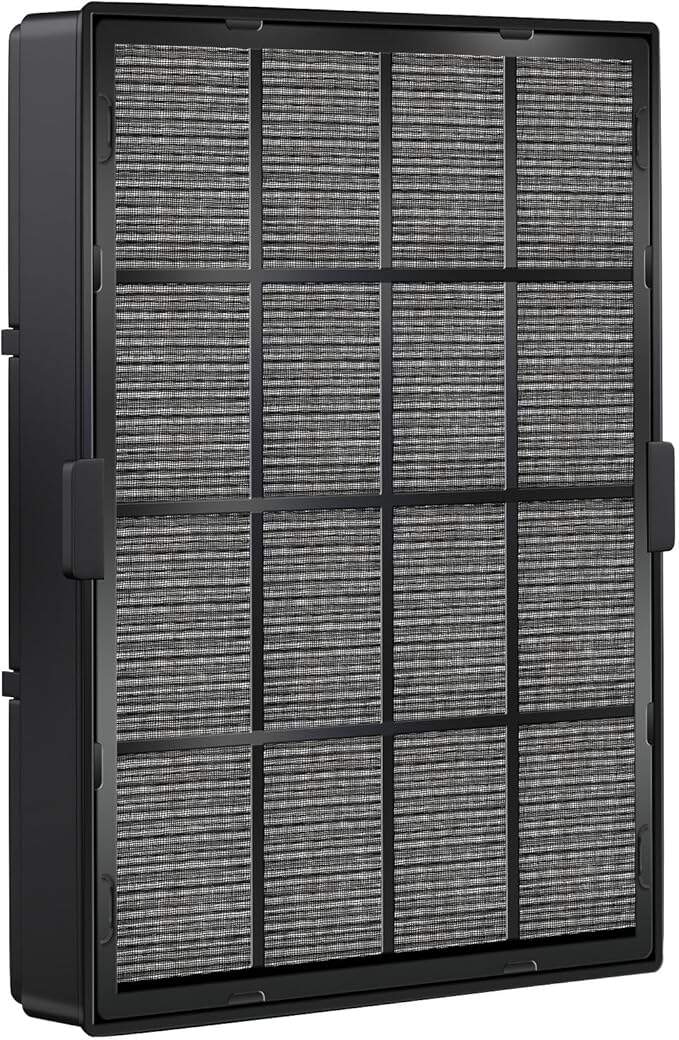
Indoor air quality has become a growing concern for homeowners worldwide, especially as we spend more time indoors than ever before. With pollutants, allergens, and microscopic particles circulating through our homes daily, investing in effective air purification technology is essential. A hepa filter represents one of the most advanced and reliable solutions for maintaining clean, healthy indoor air, offering unparalleled filtration capabilities that can transform your living environment.
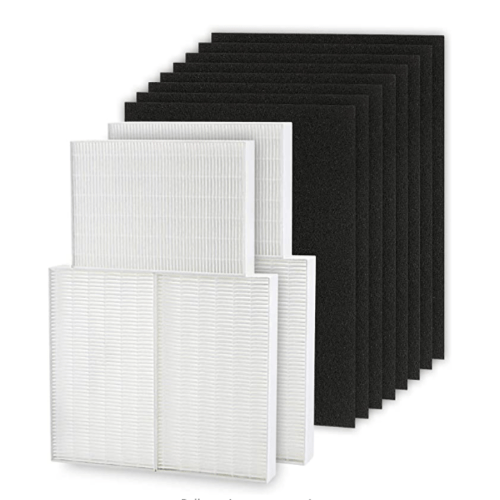
The technology behind high-efficiency particulate air filtration has revolutionized how we approach home air purification. Originally developed for nuclear facilities and medical applications, this advanced filtration system has become increasingly accessible for residential use. Understanding the comprehensive benefits of incorporating a hepa filter into your home environment can help you make informed decisions about your family's health and comfort.
Superior Filtration Performance and Efficiency
Microscopic Particle Removal Capabilities
The exceptional performance of a hepa filter lies in its ability to capture particles as small as 0.3 microns with 99.97% efficiency. This level of filtration surpasses conventional air filters by significant margins, ensuring that even the tiniest airborne contaminants are effectively removed from your indoor environment. The dense fiber matrix within the filter creates multiple pathways that trap particles through various mechanisms including impaction, interception, and diffusion.
These microscopic particles often include dust mites, pollen grains, pet dander, and various allergens that can trigger respiratory issues or allergic reactions. By utilizing advanced filtration technology, homeowners can achieve professional-grade air purification that was previously only available in medical and industrial settings. The consistent performance ensures that your indoor air remains clean and healthy throughout the filter's operational lifespan.
Multi-Stage Contamination Control
Modern hepa filter systems often incorporate multiple filtration stages to address different types of airborne contaminants comprehensively. Pre-filters capture larger particles like hair and lint, while activated carbon layers absorb odors and volatile organic compounds. The primary high-efficiency stage handles the critical microscopic filtration that defines the system's performance.
This multi-layered approach ensures that your air purification system addresses the full spectrum of indoor air quality concerns. From visible dust particles to invisible chemical vapors, the comprehensive filtration process creates a healthier living environment for all occupants. The systematic removal of various contaminants contributes to improved overall air quality that you can immediately notice and appreciate.
Health Benefits and Respiratory Improvement
Allergy and Asthma Relief
For individuals suffering from allergies or asthma, a hepa filter can provide significant relief from symptoms caused by airborne triggers. The removal of common allergens such as pollen, dust mites, and pet dander creates an environment where sensitive individuals can breathe more comfortably. Clinical studies have demonstrated that consistent use of high-efficiency air filtration can reduce asthma symptoms and improve overall respiratory health.
The benefits extend beyond immediate symptom relief to long-term respiratory health improvement. By maintaining consistently clean air, these filtration systems help reduce the inflammatory responses that contribute to chronic respiratory conditions. Many users report improved sleep quality, reduced morning congestion, and fewer allergy-related complications after implementing proper air filtration in their homes.
Enhanced Sleep Quality and Comfort
Clean air directly correlates with better sleep quality, as reduced airborne irritants allow for more restful and uninterrupted sleep cycles. A hepa filter working continuously throughout the night ensures that bedroom air remains free from particles that might cause congestion, snoring, or respiratory discomfort. The quiet operation of modern units means that air purification continues without disturbing your rest.
Improved sleep quality has cascading effects on overall health, including better immune function, improved cognitive performance, and enhanced mood stability. The investment in proper air filtration often pays dividends in improved daily energy levels and general well-being. Many families notice significant improvements in their sleep patterns within weeks of installing effective air purification systems.
Long-Term Environmental and Economic Advantages
Reduced Cleaning and Maintenance Requirements
Implementing a hepa filter system in your home significantly reduces the accumulation of dust and particles on surfaces throughout your living space. This reduction translates to less frequent cleaning requirements for furniture, electronics, and decorative items. The continuous air circulation and filtration prevent particles from settling, maintaining cleaner surfaces with minimal effort.
The economic benefits of reduced cleaning extend beyond time savings to include decreased wear on household items and furnishings. Less dust accumulation means that electronics operate more efficiently, fabrics maintain their appearance longer, and overall household maintenance becomes more manageable. These cumulative savings often offset the operational costs of the air purification system over time.
Extended HVAC System Lifespan
A properly functioning hepa filter can actually extend the lifespan of your home's HVAC system by reducing the particulate load on air conditioning and heating components. When fewer particles circulate through your home's air handling system, the mechanical components experience less wear and require less frequent maintenance. This protection helps maintain system efficiency and prevents costly repairs or premature replacement needs.
The improved air quality also means that HVAC filters require less frequent replacement, as the air purification system handles much of the particle removal burden. This synergistic relationship between air purification and climate control systems creates an optimized indoor environment while reducing overall maintenance costs and system stress.
Protection Against Airborne Pathogens and Contaminants
Virus and Bacteria Filtration
The dense filtration matrix of a hepa filter is highly effective at capturing airborne pathogens, including many viruses and bacteria that can cause illness. While not all microorganisms are eliminated, the significant reduction in airborne pathogen concentration helps create a healthier indoor environment. This protection is particularly valuable during flu seasons or when family members are recovering from illness.
Recent global health concerns have highlighted the importance of indoor air quality in preventing the spread of airborne diseases. High-efficiency filtration systems provide an additional layer of protection that complements other health and safety measures. The peace of mind that comes from knowing your home's air is continuously being purified adds significant value to the investment in quality air filtration technology.
Chemical and Odor Elimination
Many modern hepa filter systems include activated carbon components that address chemical odors and volatile organic compounds commonly found in indoor environments. These chemicals can originate from cleaning products, cooking, pet odors, or off-gassing from furniture and building materials. The comprehensive approach to air purification ensures that both particulate and chemical contaminants are effectively managed.
The elimination of persistent odors and chemical irritants creates a more pleasant and comfortable living environment for all occupants. This improvement is particularly noticeable in homes with pets, smokers, or individuals with chemical sensitivities. The continuous operation ensures that odor control is maintained consistently rather than requiring frequent intervention with temporary solutions.
FAQ
How often should I replace my hepa filter for optimal performance
The replacement frequency for a hepa filter depends on usage patterns, environmental conditions, and manufacturer specifications, but typically ranges from 6 to 12 months for residential applications. Homes with pets, smokers, or high dust levels may require more frequent replacement, while cleaner environments may allow for longer intervals. Monitoring the filter's condition through visual inspection and noting any decrease in air purifier performance can help determine the optimal replacement schedule for your specific situation.
Can a hepa filter completely eliminate all indoor air pollutants
While a hepa filter is highly effective at removing particulate matter, it cannot eliminate all types of indoor air pollutants on its own. Gaseous contaminants, some ultra-fine particles, and certain chemical compounds may require additional filtration technologies such as activated carbon or UV sterilization. However, the 99.97% efficiency rating for particles 0.3 microns and larger makes it an excellent foundation for comprehensive air purification when combined with proper ventilation and other air quality measures.
Will using a hepa filter increase my electricity consumption significantly
Modern hepa filter air purifiers are designed for energy efficiency and typically consume between 50-200 watts of electricity, comparable to a standard light bulb. The actual energy consumption varies based on fan speed settings, room size, and operating duration. Most users find that the operational costs are minimal compared to the health and comfort benefits provided, with monthly electricity costs usually ranging from just a few dollars to around twenty dollars depending on usage patterns.
Are hepa filters safe for homes with infants and elderly family members
High-efficiency particulate air filtration is particularly beneficial for homes with infants and elderly residents, as these populations are often more susceptible to airborne irritants and pollutants. The mechanical filtration process does not produce ozone or other harmful byproducts, making it a safe choice for sensitive individuals. The improved air quality can help protect developing respiratory systems in infants and provide relief for elderly family members who may have compromised immune systems or existing respiratory conditions.