
 EN
EN
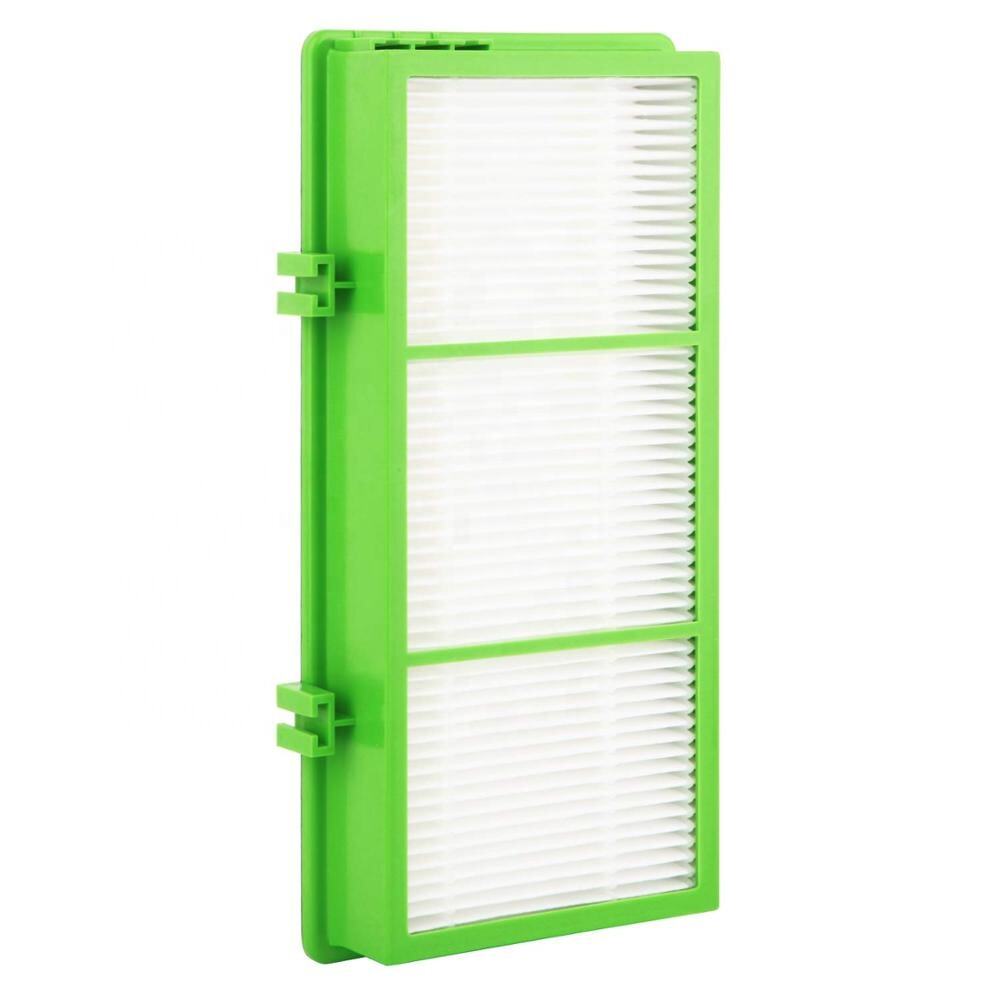
Millions of people worldwide struggle with indoor allergies, constantly seeking effective solutions to breathe cleaner air in their homes and workplaces. Among the various air purification technologies available today, the hepa filter stands out as one of the most scientifically proven methods for capturing microscopic allergens that trigger uncomfortable symptoms. These high-efficiency particulate air filtration systems have revolutionized how we approach indoor air quality, offering hope to those who suffer from seasonal allergies, pet dander sensitivity, and dust mite reactions. Understanding how hepa filter technology works and its impact on allergy relief can help you make informed decisions about improving your indoor environment.
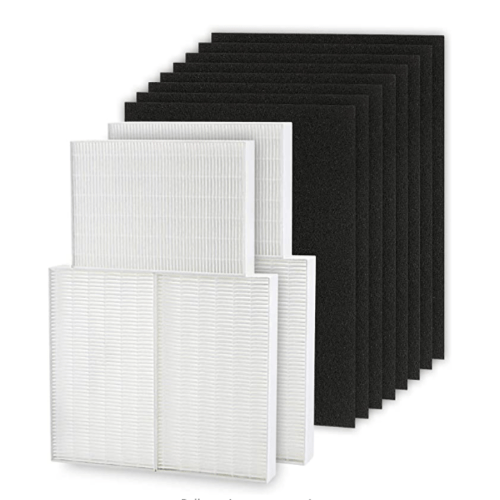
Understanding HEPA Filter Technology and Mechanisms
The Science Behind HEPA Filtration
A hepa filter operates through a complex web of ultra-fine fibers that create multiple pathways for air to flow while trapping particles through three distinct mechanisms. These mechanisms include impaction, where larger particles collide directly with fibers, interception, where particles following airflow streamlines come within one radius of a fiber, and diffusion, where the smallest particles move erratically due to Brownian motion and eventually contact fibers. The intricate design requires that a true hepa filter must capture at least 99.97% of particles that are 0.3 micrometers or larger in diameter, making it exceptionally effective against common allergens.
The manufacturing process of a hepa filter involves creating a dense mat of randomly arranged fibers, typically made from glass microfibers, synthetic materials, or plant-based fibers. These fibers are pleated to maximize surface area while maintaining manageable dimensions for residential and commercial air purification systems. The pleating pattern and fiber density determine the filter's efficiency, airflow resistance, and overall performance characteristics that directly impact its ability to reduce airborne allergens.
Certification Standards and Performance Metrics
True hepa filter certification requires rigorous testing under standardized conditions to ensure consistent performance across different environmental situations. The most penetrating particle size, typically 0.3 micrometers, represents the most challenging particles for the filter to capture due to their specific aerodynamic properties. Particles both larger and smaller than this size are actually easier to capture, creating what experts call the most penetrating particle size phenomenon that forms the basis for hepa filter testing protocols.
Different countries and organizations maintain their own certification standards, with the United States Department of Energy establishing the most widely recognized hepa filter specifications. European standards, such as those established by the European Committee for Standardization, provide similar but slightly different testing methodologies that ensure global consistency in hepa filter performance. These standards guarantee that consumers receive filtration systems capable of delivering the allergy relief they expect from professionally certified air purification equipment.
Common Allergens and Their Size Characteristics
Microscopic Allergens in Indoor Environments
Dust mites and their waste products represent some of the most prevalent indoor allergens, typically measuring between 10 to 40 micrometers in diameter, making them easily captured by any quality hepa filter system. These microscopic creatures thrive in warm, humid environments and produce allergenic proteins that become airborne when disturbed through normal household activities. Pet dander, consisting of tiny skin flakes from cats, dogs, and other furry animals, ranges from 0.5 to 50 micrometers, with most particles falling well within the capture range of hepa filter technology.
Pollen grains vary significantly in size depending on the plant species, with tree pollens typically measuring 15 to 100 micrometers, grass pollens ranging from 20 to 60 micrometers, and weed pollens spanning 10 to 50 micrometers. While larger pollen particles settle quickly due to gravity, smaller fragments and individual allergen proteins can remain airborne for extended periods, making continuous hepa filter operation essential during peak allergy seasons. Mold spores, another significant allergen source, typically measure 1 to 30 micrometers and can proliferate rapidly in damp indoor conditions.
Bacterial and Viral Contaminants
Many bacteria that contribute to respiratory issues and allergic responses range from 0.3 to 5 micrometers, placing them squarely within the most effective capture range of a properly functioning hepa filter. These microorganisms can multiply rapidly in favorable conditions and release endotoxins that trigger inflammatory responses in sensitive individuals. Some bacteria form spores that are even smaller but equally concerning for people with compromised immune systems or heightened allergy sensitivities.
Viruses, while significantly smaller than the traditional hepa filter specification range, often travel attached to larger droplets, dust particles, or other carriers that bring them within the effective filtration zone. Recent research has demonstrated that hepa filter systems can capture a substantial percentage of virus-containing particles, particularly when combined with proper air circulation and humidity control measures that enhance overall indoor air quality management.
Clinical Evidence for Allergy Symptom Reduction
Peer-Reviewed Research Studies
Multiple controlled clinical trials have demonstrated significant reductions in allergy symptoms among participants using hepa filter air purification systems in their bedrooms and living spaces. A landmark study published in the Journal of Allergy and Clinical Immunology found that participants experienced a 40% reduction in nighttime allergy symptoms and a 30% decrease in morning congestion after using hepa filter air purifiers for just four weeks. These improvements were measured using standardized allergy symptom scoring systems and objective measures of sleep quality.
Long-term studies tracking participants over six-month and one-year periods have shown sustained benefits from continuous hepa filter use, with many individuals reporting decreased reliance on antihistamine medications and fewer severe allergy episodes. The research indicates that the most significant improvements occur in individuals with dust mite allergies, pet allergies, and sensitivities to airborne mold spores, suggesting that hepa filter technology addresses the specific particle sizes most relevant to common indoor allergens.
Patient-Reported Outcomes and Quality of Life
Healthcare providers increasingly recommend hepa filter systems as part of comprehensive allergy management plans, citing patient reports of improved sleep quality, reduced eye irritation, and decreased respiratory symptoms. Pediatric studies have shown particular promise, with children using hepa filter air purifiers in their bedrooms experiencing fewer missed school days due to allergy-related illness and improved performance on respiratory function tests during allergy seasons.
Quality of life assessments reveal that hepa filter users report greater confidence in their ability to manage allergies independently, leading to increased participation in activities they previously avoided due to symptom concerns. These psychological benefits complement the physiological improvements, creating a comprehensive approach to allergy management that extends beyond simple symptom suppression to genuine lifestyle enhancement.
Optimal Placement and Usage Strategies
Room Size and Air Circulation Considerations
Maximizing the effectiveness of your hepa filter system requires careful consideration of room dimensions, ceiling height, and natural air circulation patterns that influence how quickly contaminated air reaches the filtration unit. The Clean Air Delivery Rate specification helps determine appropriate hepa filter sizing for different spaces, with experts recommending units capable of processing the entire room volume at least five times per hour for optimal allergen removal. Placement near common allergen sources, such as pet sleeping areas or windows where pollen enters, can significantly enhance the system's ability to capture particles before they disperse throughout the living space.
Bedroom placement of hepa filter units often provides the most noticeable symptom relief since people spend approximately eight hours sleeping in these spaces, breathing the same air repeatedly throughout the night. Positioning the unit so that clean air flows across the sleeping area while avoiding direct airflow that might cause discomfort creates an optimal microenvironment for allergy sufferers. Multiple smaller hepa filter units may prove more effective than a single large unit in homes with complex layouts or multiple allergy sufferers.
Maintenance and Replacement Protocols
Regular maintenance ensures that your hepa filter continues delivering maximum allergy relief throughout its operational lifespan, with most residential units requiring filter replacement every 6 to 12 months depending on usage intensity and local air quality conditions. Monitoring filter condition through visual inspection and noting changes in airflow or noise levels helps identify when replacement becomes necessary to maintain optimal performance. Some advanced hepa filter systems include electronic monitoring that alerts users when filter efficiency begins declining below acceptable levels.
Pre-filters and activated carbon components, when present in multi-stage hepa filter systems, typically require more frequent replacement than the primary hepa filter element itself, often every 3 to 4 months in high-use environments. Proper disposal of used filters prevents reintroduction of captured allergens into the indoor environment, while timely replacement ensures continuous protection during peak allergy seasons when symptom relief is most critical.
Integration with Comprehensive Allergy Management
Combining Environmental Controls
While hepa filter systems provide excellent particle removal capabilities, combining them with other environmental control measures creates a more comprehensive approach to indoor allergy management. Maintaining indoor humidity levels between 30% and 50% helps reduce dust mite populations and mold growth while optimizing hepa filter performance and extending filter lifespan. Regular cleaning of surfaces, bedding, and soft furnishings removes allergen reservoirs that might otherwise become airborne and challenge even the most efficient hepa filter system.
Sealing air leaks around windows, doors, and ventilation systems prevents outdoor allergens from bypassing hepa filter protection and entering living spaces through unfiltered pathways. This integrated approach ensures that the clean air produced by your hepa filter system remains free from contamination by external allergen sources, maximizing the investment in air purification technology and enhancing overall symptom relief.
Professional Medical Coordination
Healthcare providers can offer valuable guidance on incorporating hepa filter systems into existing allergy treatment regimens, potentially allowing for reduced medication dependence as environmental controls improve indoor air quality. Allergy testing results help identify specific triggers that hepa filter technology addresses most effectively, enabling targeted implementation strategies that maximize symptom relief for individual sensitivities. Regular follow-up appointments allow healthcare providers to assess the effectiveness of hepa filter interventions and adjust other treatments accordingly.
Some insurance plans now provide partial coverage for medically recommended air purification equipment, including hepa filter systems, when prescribed as part of comprehensive allergy management plans. Documentation of symptom improvement and reduced medication requirements can support insurance claims and justify the investment in professional-grade hepa filter technology for individuals with severe allergies or respiratory conditions.
Cost-Benefit Analysis and Long-Term Value
Economic Considerations
Initial investment in quality hepa filter systems typically ranges from moderate to substantial depending on coverage area and advanced features, but the long-term cost savings from reduced medication expenses, fewer medical visits, and improved productivity often justify the expenditure. Energy consumption of modern hepa filter units has decreased significantly with improved motor efficiency and smart operation features that adjust filtration intensity based on detected air quality conditions. Replacement filter costs represent the primary ongoing expense, but bulk purchasing and subscription services can reduce these expenses while ensuring consistent protection.
Comparing the lifetime cost of hepa filter ownership against the cumulative expenses of allergy medications, medical treatments, and lost productivity reveals favorable economics for most allergy sufferers, particularly those with moderate to severe symptoms. The durability of quality hepa filter systems, often lasting 5 to 10 years with proper maintenance, spreads the initial investment across many allergy seasons while providing consistent symptom relief throughout the ownership period.
Health Investment Perspective
Beyond immediate symptom relief, hepa filter systems contribute to long-term respiratory health by reducing exposure to inflammatory particles that can worsen asthma and other chronic conditions over time. Children growing up in homes with hepa filter protection may develop fewer allergy sensitivities and experience better overall respiratory development, representing a generational health investment that extends far beyond the initial purchase decision. Professional productivity improvements from better sleep quality and reduced allergy symptoms often exceed the annualized cost of hepa filter ownership.
Healthcare providers increasingly recognize environmental interventions like hepa filter systems as cost-effective approaches to managing chronic allergic conditions, potentially reducing the need for more expensive treatments or medications with unwanted side effects. This shift toward prevention-focused healthcare emphasizes the value proposition of investing in proven technologies that address root causes rather than merely managing symptoms after they develop.
FAQ
How quickly can I expect to notice allergy symptom improvement after installing a hepa filter system
Most people begin experiencing noticeable allergy symptom relief within 2 to 4 weeks of consistent hepa filter use, though some individuals report improvements within just a few days of operation. The timeline depends on factors such as the severity of existing allergen contamination in your home, the specific allergens causing your symptoms, and whether you implement other environmental controls alongside hepa filter technology. Bedroom use typically provides the fastest noticeable results since you spend many consecutive hours breathing the filtered air while sleeping.
Do I need to run my hepa filter system continuously or can I use it only when symptoms are present
Continuous operation of your hepa filter provides the most effective allergy relief because airborne allergens accumulate constantly from various sources including outdoor infiltration, pet activity, and household disturbances. Running the system only during symptomatic periods means allergens can build up in the interim, requiring longer filtration times to restore clean air conditions. Most modern hepa filter units offer variable speed settings that allow energy-efficient continuous operation while providing boost modes during high-allergen periods like peak pollen seasons or after cleaning activities.
Can hepa filter systems eliminate the need for allergy medications entirely
While many people experience significant symptom reduction with hepa filter systems, complete elimination of allergy medications typically requires coordination with healthcare providers and may not be appropriate for everyone. The degree of medication reduction possible depends on your specific allergens, symptom severity, and how well hepa filter technology addresses your particular triggers. Many users find they can reduce medication frequency or dosage while maintaining better symptom control, but any changes to prescribed treatments should always be discussed with your healthcare provider.
How do I determine the right size hepa filter system for my living space
Selecting the appropriate hepa filter size involves calculating your room's square footage and ceiling height to determine total air volume, then choosing a unit with a Clean Air Delivery Rate that processes this volume at least 4 to 6 times per hour. Consider factors such as open floor plans that connect multiple spaces, high ceilings that increase air volume, and the presence of significant allergen sources that may require additional filtration capacity. Consulting with air quality professionals or hepa filter manufacturers can help ensure you select a system that provides optimal performance for your specific living situation and allergy management needs.
Table of Contents
- Understanding HEPA Filter Technology and Mechanisms
- Common Allergens and Their Size Characteristics
- Clinical Evidence for Allergy Symptom Reduction
- Optimal Placement and Usage Strategies
- Integration with Comprehensive Allergy Management
- Cost-Benefit Analysis and Long-Term Value
-
FAQ
- How quickly can I expect to notice allergy symptom improvement after installing a hepa filter system
- Do I need to run my hepa filter system continuously or can I use it only when symptoms are present
- Can hepa filter systems eliminate the need for allergy medications entirely
- How do I determine the right size hepa filter system for my living space