
 EN
EN
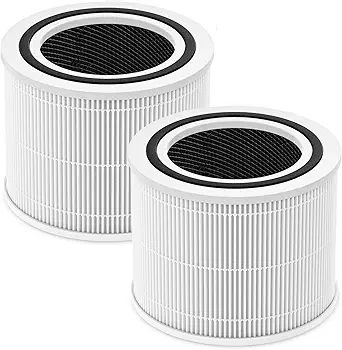
Maintaining optimal indoor air quality requires careful attention to your humidification system components, particularly the humidifier filter that serves as the cornerstone of clean moisture distribution. A properly functioning humidifier filter not only ensures efficient operation but also prevents the circulation of impurities, bacteria, and mineral deposits throughout your living or working space. Understanding the critical role of filtration in your humidification system empowers you to make informed decisions that directly impact your family's health and comfort. The selection process involves evaluating multiple factors including filter material composition, compatibility specifications, replacement frequency requirements, and overall performance characteristics that align with your specific environmental needs.
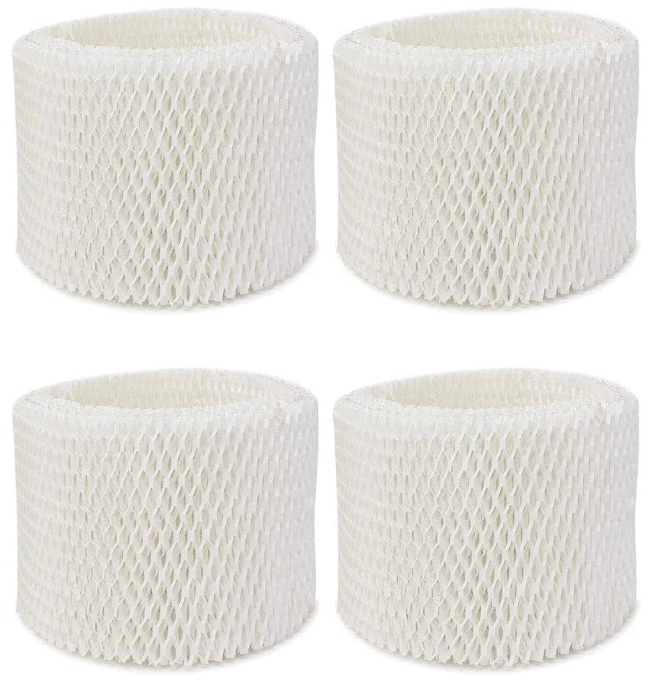
Understanding Humidifier Filter Technology and Materials
Filter Media Construction and Effectiveness
Modern humidifier filter designs incorporate advanced materials engineered to maximize water absorption while minimizing bacterial growth and mineral accumulation. The most effective filters utilize antimicrobial treatments that actively inhibit the development of harmful microorganisms within the filter matrix. These specialized coatings work continuously to maintain a cleaner moisture output, reducing the risk of airborne contaminants entering your indoor environment. Premium filter materials often feature honeycomb or pleated configurations that significantly increase surface area contact with water, resulting in enhanced evaporation rates and improved humidification efficiency.
The density and porosity of filter materials directly influence both performance and longevity characteristics of your humidification system. High-quality filters maintain structural integrity even when saturated, preventing deterioration that could compromise filtration effectiveness. Advanced synthetic materials resist breakdown from continuous water exposure while providing consistent capillary action that draws moisture upward through the filter medium. This engineered water distribution ensures uniform evaporation across the entire filter surface, maximizing humidity output while extending operational lifespan.
Antimicrobial Properties and Health Benefits
Antimicrobial humidifier filter technology represents a significant advancement in indoor air quality management, offering protection against bacteria, mold, and other potentially harmful microorganisms. These specialized filters incorporate silver ion technology or other antimicrobial agents that create an inhospitable environment for microbial growth. The continuous antimicrobial action helps maintain cleaner water reservoirs and prevents the formation of biofilms that could compromise air quality. Regular use of antimicrobial filters contributes to healthier indoor environments, particularly beneficial for individuals with respiratory sensitivities or compromised immune systems.
The health benefits extend beyond simple microbial control, as quality filters also trap mineral deposits and other particulates that might otherwise become airborne. This filtration action helps prevent white dust accumulation on furniture and surfaces, a common concern with ultrasonic humidifiers. Professional-grade filters undergo rigorous testing to ensure they meet industry standards for both antimicrobial effectiveness and filtration performance, providing peace of mind for health-conscious consumers seeking optimal indoor air quality solutions.
Compatibility Requirements and Model-Specific Considerations
Determining Proper Filter Dimensions and Specifications
Accurate measurement and specification matching ensures optimal performance and prevents operational issues that could damage your humidification equipment. Each humidifier filter features specific dimensional requirements designed to fit precisely within designated filter compartments. Incorrect sizing can result in poor water contact, reduced efficiency, or mechanical damage to internal components. Professional technicians recommend verifying model numbers and consulting manufacturer specifications before purchasing replacement filters to ensure complete compatibility and optimal performance outcomes.
The shape configuration of filters varies significantly between manufacturers and model series, with some requiring rectangular formats while others utilize cylindrical or custom-molded designs. Thickness specifications also play crucial roles in proper installation and function, as filters that are too thin may allow bypass airflow, while overly thick filters could restrict airflow and strain motor components. Understanding these dimensional requirements prevents costly mistakes and ensures your investment in quality filtration delivers expected performance improvements.
Brand-Specific Engineering and Performance Standards
Leading humidifier manufacturers engineer their systems around specific filter characteristics that optimize performance for their particular designs and operating parameters. These engineering decisions influence everything from water flow patterns to evaporation rates and overall system efficiency. Premium brands often incorporate proprietary filter technologies that work synergistically with their humidifier designs to deliver superior moisture distribution and extended operational life. Understanding these brand-specific requirements helps consumers select filters that fully utilize their equipment's engineered capabilities.
Performance standards vary between manufacturers, with some emphasizing maximum moisture output while others prioritize longevity or antimicrobial effectiveness. Industrial-grade systems typically require filters meeting more stringent specifications for continuous operation environments. Commercial applications often demand enhanced durability and consistent performance under heavy-use conditions. Evaluating these performance criteria against your specific usage requirements ensures optimal return on investment and satisfactory long-term operation of your humidification system.
Maintenance Schedules and Replacement Strategies
Optimal Replacement Timing for Maximum Efficiency
Establishing appropriate replacement schedules maximizes both performance and cost-effectiveness of your humidifier filter maintenance program. Environmental factors such as water hardness, usage frequency, and ambient conditions significantly influence filter lifespan and replacement timing. Hard water accelerates mineral buildup within filter media, potentially reducing effectiveness and requiring more frequent replacement cycles. High-usage environments may necessitate monthly filter changes during peak seasons, while moderate use might allow for quarterly replacement schedules depending on water quality and system design.
Monitoring filter condition through visual inspection and performance indicators helps optimize replacement timing and prevent efficiency degradation. Discoloration, mineral deposits, or reduced moisture output often signal the need for immediate filter replacement. Proactive maintenance approaches that prioritize regular inspection and timely replacement prevent system strain and maintain consistent indoor humidity levels. Professional maintenance guidelines recommend tracking replacement dates and establishing reminder systems to ensure consistent filter performance throughout operational seasons.
Cost-Effective Filter Management Strategies
Implementing strategic purchasing approaches and maintenance practices significantly reduces long-term operational costs while maintaining optimal system performance. Bulk purchasing of compatible filters often provides substantial cost savings compared to individual unit purchases, particularly for facilities operating multiple humidification systems. Seasonal preparation strategies that include pre-purchasing adequate filter supplies prevent emergency replacements at premium prices during peak demand periods. Quality-focused procurement that emphasizes proven filter brands and specifications reduces the risk of premature failure and associated replacement costs.
Proper storage and handling of replacement filters extends shelf life and maintains performance characteristics until installation. Climate-controlled storage environments prevent degradation of filter materials and antimicrobial treatments that could compromise effectiveness. Inventory rotation systems ensure older stock receives priority usage, minimizing waste from expired or deteriorated filters. Professional facilities often implement computerized tracking systems that monitor filter usage patterns and automatically generate replacement orders based on historical consumption data and seasonal requirements.
Performance Optimization and Troubleshooting
Maximizing Filter Efficiency Through Proper Installation
Correct installation procedures ensure maximum contact between the humidifier filter and water reservoir, optimizing moisture absorption and evaporation rates. Proper positioning within the filter compartment allows unrestricted airflow while maintaining adequate water contact across the entire filter surface. Installation errors such as improper orientation or incomplete seating can significantly reduce system efficiency and potentially damage internal components. Following manufacturer installation guidelines and verifying proper fit prevents operational issues and ensures optimal performance from your filtration investment.
Pre-installation preparation often includes soaking new filters to remove any manufacturing residues and accelerate initial water absorption. This preparation step helps establish optimal capillary action from the first operational cycle, improving immediate performance and reducing break-in time. Quality filters typically include installation instructions that specify orientation requirements and any special handling considerations necessary for optimal function. Professional installation services can provide additional assurance that complex systems receive proper filter installation and initial system calibration.
Identifying and Resolving Common Filter Issues
Common humidifier filter problems often manifest as reduced moisture output, unusual odors, or visible contamination that requires immediate attention and corrective action. Mineral buildup represents one of the most frequent issues, particularly in hard water regions where calcium and magnesium deposits accumulate rapidly within filter media. These deposits restrict water flow and reduce evaporation efficiency, necessitating more frequent replacement cycles or water treatment solutions. Recognizing early signs of mineral accumulation enables proactive maintenance that prevents system damage and maintains consistent performance levels.
Bacterial or mold growth within filter media creates health risks and unpleasant odors that compromise indoor air quality objectives. These biological contaminants typically develop when filters remain wet for extended periods without adequate air circulation or when antimicrobial treatments lose effectiveness. Immediate filter replacement and thorough system cleaning become necessary when biological contamination occurs. Preventive measures including regular inspection schedules and proper seasonal storage help minimize the risk of biological contamination and maintain healthy indoor environments throughout operational periods.
Advanced Selection Criteria for Professional Applications
Industrial and Commercial Filter Requirements
Professional and industrial humidification systems demand enhanced filter specifications that accommodate continuous operation, higher moisture output requirements, and extended service intervals. Commercial-grade humidifier filter products incorporate reinforced materials and advanced antimicrobial treatments designed to withstand demanding operational conditions. These specialized filters often feature extended lifespan characteristics that reduce maintenance frequency while maintaining consistent performance under heavy-use conditions. Professional applications typically require filters meeting specific industry standards for healthcare, manufacturing, or data center environments where precise humidity control impacts critical operations.
Compliance requirements for professional installations often mandate specific filter certifications and performance documentation that verify antimicrobial effectiveness and filtration efficiency. Medical facilities, food processing plants, and pharmaceutical manufacturing operations require filters meeting stringent health and safety standards. These regulatory requirements influence filter selection criteria and mandate regular replacement schedules that ensure continuous compliance with industry regulations. Professional-grade filters typically include comprehensive documentation supporting their performance claims and regulatory compliance status.
Environmental and Sustainability Considerations
Sustainable humidifier filter options incorporate environmentally responsible materials and manufacturing processes that minimize environmental impact while maintaining performance standards. Biodegradable filter media and recyclable components represent growing trends in professional filtration applications where environmental stewardship complements operational requirements. These sustainable options often provide comparable performance characteristics while supporting corporate sustainability initiatives and environmental responsibility programs.
Life cycle analysis of filter options helps organizations evaluate total environmental impact including manufacturing, transportation, usage, and disposal phases. Extended-life filters that reduce replacement frequency often provide superior environmental profiles despite potentially higher initial costs. Professional procurement decisions increasingly incorporate sustainability metrics alongside traditional performance and cost considerations, reflecting growing emphasis on environmental responsibility in commercial operations.
FAQ
How often should I replace my humidifier filter?
Replacement frequency depends on usage intensity, water quality, and environmental conditions, but most residential humidifier filter units require replacement every 1-3 months during active seasons. Hard water conditions may necessitate monthly replacement due to accelerated mineral buildup, while soft water areas might allow quarterly replacement schedules. Visual inspection of filter condition provides the most reliable indicator of replacement timing, with discoloration, mineral deposits, or reduced moisture output signaling immediate replacement needs.
Can I clean and reuse my humidifier filter instead of replacing it?
Most modern humidifier filter products are designed for single-use applications and cannot be effectively cleaned for reuse without compromising performance and antimicrobial effectiveness. Attempting to clean filters may remove protective treatments and damage the media structure, potentially creating conditions favorable for bacterial growth. While some older filter designs allowed limited cleaning, current antimicrobial filters lose their protective properties when subjected to cleaning chemicals or excessive handling, making replacement the safer and more effective option.
What happens if I use the wrong size humidifier filter in my unit?
Using incorrect filter dimensions can result in poor water contact, reduced efficiency, air bypass issues, and potential damage to internal components of your humidification system. Oversized filters may not fit properly within the compartment, while undersized filters allow untreated air to bypass the filtration process, reducing overall system effectiveness. Improper sizing can also strain motor components and create mechanical stress that shortens equipment lifespan, making proper specification matching essential for optimal performance and equipment protection.
Are antimicrobial filters worth the additional cost?
Antimicrobial humidifier filter options typically provide significant value through enhanced health protection, reduced odor issues, and potentially extended service life compared to standard filter alternatives. The antimicrobial treatments help prevent bacterial and mold growth that could compromise indoor air quality and create health risks for occupants. While initial costs may be higher, the health benefits and improved performance characteristics often justify the investment, particularly for households with respiratory sensitivities or immune-compromised individuals where air quality represents a critical health consideration.