
 EN
EN
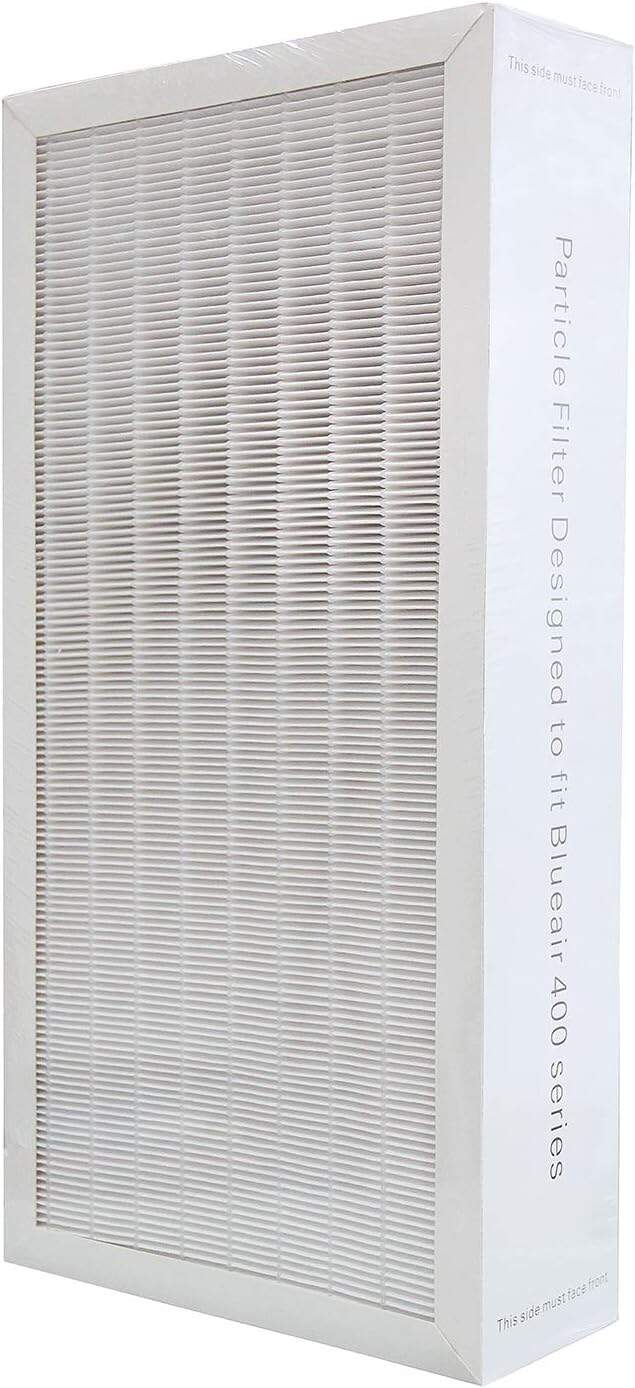
Air purification technology has evolved significantly over the past decade, with numerous brands competing for market dominance. Among the leading manufacturers, Blueair has established itself as a premium choice for consumers seeking superior indoor air quality solutions. The company's innovative approach to filtration technology, combined with Swedish engineering excellence, has positioned Blueair filters as a benchmark in the industry. Understanding what sets these filtration systems apart requires examining their unique design principles, advanced technology integration, and proven performance metrics that consistently deliver exceptional results.
Advanced Filtration Technology
HEPASilent Technology Innovation
The cornerstone of Blueair's success lies in their proprietary HEPASilent technology, which combines mechanical and electrostatic filtration methods. This hybrid approach enables Blueair filters to capture particles as small as 0.1 microns with remarkable efficiency. Unlike traditional HEPA filters that rely solely on mechanical filtration, this technology uses both positive and negative ions to charge airborne particles, making them easier to trap in the filter media. The result is superior particle removal performance while maintaining lower energy consumption and reduced noise levels compared to conventional filtration systems.
The electrostatic component of HEPASilent technology creates an enhanced capture mechanism that attracts particles like a magnet. This process is particularly effective against ultrafine particles, including viruses, bacteria, and volatile organic compounds that might otherwise pass through standard filtration systems. The technology's efficiency extends beyond particle size, demonstrating exceptional performance across various pollutant categories including pollen, dust mites, pet dander, and smoke particles.
Multi-Stage Filtration Process
Blueair systems employ a comprehensive multi-stage filtration approach that addresses different types of airborne contaminants through specialized filter layers. The initial pre-filter captures larger particles such as dust and hair, extending the lifespan of subsequent filtration stages. The main filter combines activated carbon with specialized media designed to target specific pollutants, while the final stage ensures even the smallest particles are captured before clean air is circulated back into the room.
This systematic approach ensures optimal performance across the entire spectrum of indoor air pollutants. Each filtration stage is engineered to work synergistically with others, creating a comprehensive purification system that maintains consistent performance over extended periods. The design philosophy emphasizes not just initial capture efficiency, but sustained performance throughout the filter's operational lifespan.
Design Excellence and Engineering
Swedish Engineering Standards
Blueair's commitment to Swedish engineering principles reflects in every aspect of their filter design and manufacturing processes. The company adheres to stringent quality control standards that ensure each filter meets exact specifications for particle capture efficiency, airflow resistance, and structural integrity. This attention to detail extends from material selection through final product testing, resulting in filters that consistently deliver reliable performance under various operating conditions.
The engineering approach emphasizes durability and longevity, with filters designed to maintain their effectiveness even as they accumulate particles over time. This is achieved through careful consideration of filter media density, pleating patterns, and structural support systems that prevent collapse or channeling under normal operating conditions. The result is a product that maintains consistent performance characteristics throughout its recommended service life.
Optimal Airflow Dynamics
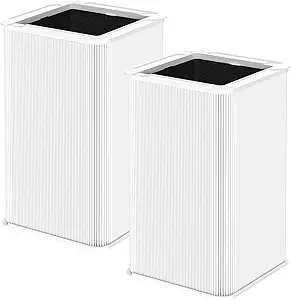
Aerodynamic design plays a crucial role in filter performance, and Blueair has invested significantly in optimizing airflow patterns through their filtration systems. The company's filters are engineered with precise pleating geometries and spacing that maximize surface area while minimizing pressure drop. This careful balance ensures that air purifiers can maintain high airflow rates without compromising filtration efficiency or requiring excessive energy consumption.
The filtration media is arranged to promote uniform air distribution across the entire filter surface, preventing channeling effects that can reduce overall efficiency. This design consideration ensures that all areas of the filter contribute equally to particle capture, maximizing the utilization of available filtration media and extending filter life. The result is more consistent performance and better value for consumers over the product's operational lifetime.
Performance Metrics and Testing
Third-Party Certification Standards
Blueair filters undergo rigorous testing by independent laboratories to verify their performance claims and ensure compliance with international standards. The company's products are certified by organizations such as the Association of Home Appliance Manufacturers and carry ENERGY STAR ratings where applicable. These certifications provide consumers with confidence that the filters will perform as advertised under real-world conditions.
The testing protocols include evaluation of particle capture efficiency across various size ranges, Clean Air Delivery Rate measurements, and energy consumption analysis. Additionally, filters are tested for their ability to maintain performance over extended periods, ensuring that efficiency ratings remain valid throughout the product's recommended service life. This comprehensive testing approach provides transparency and accountability that sets Blueair apart from many competitors in the market.
Real-World Performance Validation
Beyond laboratory testing, Blueair filters have been evaluated in numerous real-world environments, including homes, offices, and healthcare facilities. These field studies demonstrate the filters' ability to significantly reduce airborne particle concentrations under actual usage conditions, often exceeding laboratory performance predictions. The data collected from these studies continuously informs product development and helps optimize filter design for maximum effectiveness.
Performance validation extends to various environmental conditions, including high humidity, temperature variations, and challenging pollutant loads. This comprehensive approach ensures that filters maintain their effectiveness across diverse operating environments and usage patterns. The accumulated performance data demonstrates consistent results that support the company's reputation for reliability and effectiveness in air purification applications.
Environmental Responsibility and Sustainability
Eco-Friendly Manufacturing Practices
Blueair's commitment to environmental responsibility extends throughout their manufacturing processes and product lifecycle management. The company has implemented sustainable manufacturing practices that minimize waste generation and energy consumption during production. Filter materials are sourced from suppliers who meet strict environmental standards, and packaging materials are selected based on their recyclability and minimal environmental impact.
The manufacturing facilities utilize renewable energy sources where possible and implement waste reduction strategies that minimize the environmental footprint of production activities. This holistic approach to sustainability demonstrates the company's commitment to environmental stewardship while maintaining the high quality standards that consumers expect from Blueair products.
Product Lifecycle Considerations
The design philosophy incorporates end-of-life considerations from the initial product development phase, ensuring that filters can be disposed of responsibly or recycled where appropriate. Materials are selected not only for their filtration performance but also for their environmental compatibility and potential for recycling or safe disposal. This forward-thinking approach reflects the company's commitment to minimizing the long-term environmental impact of their products.
Blueair provides clear guidance to consumers regarding proper disposal methods and recycling options for used filters. The company actively participates in industry initiatives aimed at developing more sustainable filtration technologies and reducing the environmental impact of air purification products. This comprehensive approach to sustainability reinforces the brand's reputation as a responsible industry leader.
Market Position and Consumer Value
Premium Quality Positioning
Blueair has successfully positioned itself in the premium segment of the air purification market through consistent delivery of superior performance and reliability. The company's filters command higher prices than many competitors, but this premium is justified by demonstrably better performance, longer service life, and comprehensive customer support. This value proposition appeals to consumers who prioritize air quality and are willing to invest in proven, reliable solutions.
The brand's reputation for quality and reliability has been built over decades of consistent performance and continuous innovation. Customer satisfaction ratings consistently rank among the highest in the industry, reflecting the real-world performance benefits that users experience with Blueair filtration systems. This strong market position enables the company to continue investing in research and development for future product improvements.
Cost-Effectiveness Analysis
While initial purchase prices may be higher than some alternatives, Blueair filters often provide better long-term value through extended service life and superior performance. The combination of high efficiency and durability results in lower cost-per-unit of air cleaned over the product's operational lifetime. Energy efficiency benefits also contribute to ongoing operational savings that help offset the initial premium.
The total cost of ownership analysis demonstrates that Blueair filters frequently provide competitive value when all factors are considered, including replacement frequency, energy consumption, and performance effectiveness. This comprehensive value proposition appeals to both residential and commercial users who seek reliable, cost-effective air purification solutions for long-term applications.
FAQ
How often should Blueair filters be replaced?
Filter replacement frequency depends on usage conditions and environmental factors, but most Blueair filters should be replaced every 6-12 months under normal residential use. High-pollution environments or continuous operation may require more frequent replacement, while light usage in clean environments may extend filter life. The air purifier's indicator system will alert users when replacement is needed based on actual usage and performance data.
Are Blueair filters compatible with other air purifier brands?
Blueair filters are specifically designed for Blueair air purifiers and are not typically compatible with other brands due to unique sizing, mounting systems, and performance requirements. Using non-compatible filters may result in poor performance, air leakage, or damage to the air purifier. Always use genuine Blueair filters or certified compatible replacements to ensure optimal performance and maintain warranty coverage.
What makes Blueair filters more effective than standard HEPA filters?
Blueair filters utilize HEPASilent technology that combines mechanical filtration with electrostatic charging, enabling capture of smaller particles than traditional HEPA filters while operating more quietly and efficiently. This hybrid approach provides superior performance against ultrafine particles, viruses, and bacteria while maintaining lower energy consumption and noise levels compared to conventional HEPA systems.
Can Blueair filters remove odors and chemical pollutants?
Yes, Blueair filters incorporate activated carbon and specialized media designed to capture odors, volatile organic compounds, and gaseous pollutants in addition to particulate matter. The multi-stage filtration system addresses both particle and molecular contaminants, providing comprehensive air cleaning that goes beyond simple particle removal to create healthier indoor environments.