
 EN
EN
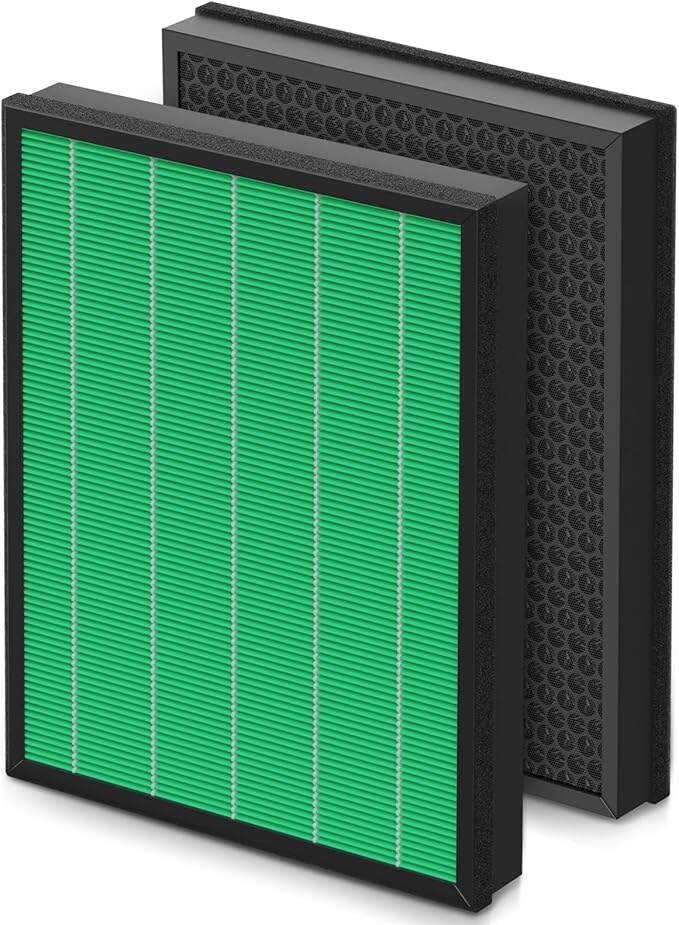
Indoor air quality has become a paramount concern for homeowners seeking healthier living environments. With rising pollution levels and increased awareness of airborne contaminants, investing in reliable air purification technology represents a crucial step toward safeguarding family health. Among the various air purification solutions available today, advanced filtration systems stand out for their proven effectiveness in removing harmful particles, allergens, and pollutants from residential spaces.
Modern air filtration technology offers unprecedented capabilities in capturing microscopic particles that traditional cleaning methods cannot address. These sophisticated systems utilize multi-stage filtration processes designed to eliminate everything from dust mites and pet dander to volatile organic compounds and bacterial contaminants. Understanding the comprehensive benefits of premium air filtration helps homeowners make informed decisions about protecting their indoor environments.
The investment in quality air purification extends beyond immediate comfort improvements, delivering long-term health advantages and enhanced quality of life. Professional-grade filtration systems provide continuous protection against seasonal allergens, urban pollutants, and household contaminants that accumulate over time. This comprehensive approach to indoor air management creates measurable differences in respiratory comfort and overall wellness for occupants of all ages.
Advanced Filtration Technology and Performance
Multi-Stage Filtration Excellence
Premium air purification systems employ sophisticated multi-stage filtration mechanisms that address different categories of airborne contaminants through specialized filtering media. The initial pre-filtration stage captures larger particles including hair, lint, and visible dust, preventing these materials from clogging subsequent filter layers. This preliminary filtration extends the operational lifespan of downstream components while maintaining optimal airflow throughout the system.
The secondary filtration stage typically incorporates activated carbon technology specifically engineered to neutralize odors, volatile organic compounds, and chemical vapors that escape traditional particle filters. This carbon-based filtration proves particularly effective against cooking odors, cleaning product residues, and outdoor pollutants that infiltrate indoor spaces. The combination of physical and chemical filtration creates comprehensive protection against diverse air quality challenges.
The final stage features high-efficiency particulate air filtration capable of capturing particles as small as 0.3 microns with remarkable effectiveness. This advanced filtration technology addresses microscopic allergens, bacteria, and fine particulate matter that pose significant health risks when allowed to circulate freely. The integration of these filtration stages ensures maximum contaminant removal while maintaining energy-efficient operation.
Smart Sensor Integration
Contemporary air purification systems incorporate intelligent sensor technology that continuously monitors indoor air quality parameters and automatically adjusts filtration intensity based on real-time conditions. These sensors detect particulate matter concentrations, volatile organic compound levels, and humidity fluctuations that influence air quality. This automated response capability ensures optimal purification performance without requiring constant manual intervention from users.
The sensor-driven operation optimizes energy consumption by increasing filtration power during periods of elevated contamination while reducing operation intensity when air quality meets acceptable standards. This intelligent modulation extends filter lifespan, reduces energy costs, and maintains consistent air quality regardless of external conditions. Users benefit from continuous protection without the complexity of manual system management.
Advanced sensor integration also provides valuable feedback through digital displays and mobile connectivity options that keep homeowners informed about their indoor air quality status. This transparency enables proactive maintenance scheduling and helps users understand the correlation between daily activities and air quality fluctuations. The data-driven approach empowers informed decision-making regarding home air quality management strategies.
Health Benefits and Respiratory Wellness
Allergen Elimination and Control
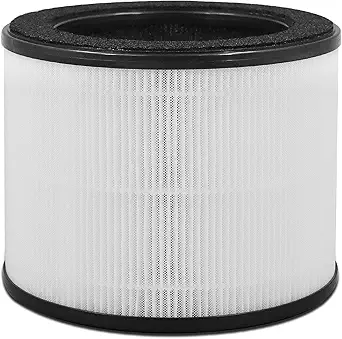
Effective air filtration systems demonstrate exceptional capability in removing common household allergens that trigger respiratory discomfort and allergic reactions. Pet dander, pollen grains, dust mites, and mold spores represent persistent indoor air quality challenges that conventional cleaning methods struggle to address comprehensively. Professional-grade filtration technology captures these microscopic allergens before they can circulate throughout living spaces and accumulate in furniture, bedding, and carpeting.
The consistent removal of airborne allergens creates measurable improvements in respiratory comfort for sensitive individuals, including children and adults with asthma or allergic conditions. Reduced allergen exposure correlates with decreased frequency of respiratory symptoms, improved sleep quality, and enhanced overall comfort during peak allergy seasons. This protective benefit extends beyond immediate symptom relief to support long-term respiratory health through reduced inflammatory responses.
Seasonal allergen management becomes significantly more effective with continuous air filtration, as systems operate around the clock to prevent pollen and outdoor contaminants from establishing presence in indoor environments. This proactive approach proves particularly valuable during spring and fall seasons when outdoor allergen concentrations reach peak levels. Homeowners experience greater freedom to enjoy their living spaces without constant concern about allergen exposure.
Pathogen and Bacteria Reduction
Modern air purification technology addresses biological contaminants including bacteria, viruses, and other microorganisms that pose health risks to household occupants. High-efficiency filtration systems capture airborne pathogens before they can establish presence in living environments or spread between family members. This protective capability proves especially valuable during cold and flu seasons when respiratory infections commonly circulate through households.
The continuous removal of biological contaminants creates healthier indoor environments that support immune system function and reduce illness transmission risks. Families with young children, elderly members, or individuals with compromised immune systems benefit significantly from this pathogen reduction capability. The investment in air purification represents a proactive health protection strategy that complements other hygiene practices.
Research demonstrates that homes equipped with effective air filtration systems experience reduced incidence of respiratory infections and faster recovery times when illness does occur. The correlation between improved air quality and enhanced immune response highlights the importance of comprehensive indoor air management. This health protection extends beyond immediate family members to benefit visitors and guests who spend time in purified environments.
Environmental Comfort and Quality of Life
Odor Control and Freshness
Premium air filtration systems excel at eliminating household odors that compromise indoor comfort and create unwelcome living conditions. Cooking aromas, pet odors, tobacco smoke, and chemical vapors from cleaning products represent common sources of indoor air quality degradation that traditional ventilation methods cannot adequately address. Advanced carbon filtration technology neutralizes these odorous compounds at the molecular level, preventing their accumulation and circulation throughout living spaces.
The elimination of persistent odors creates more welcoming home environments that enhance social comfort and personal satisfaction with living spaces. Homeowners gain confidence in entertaining guests without concern about embarrassing odors, while daily living becomes more pleasant without constant awareness of unwanted smells. This improvement in environmental comfort contributes significantly to overall quality of life and home enjoyment.
Effective odor control also supports property value maintenance by preventing the absorption of persistent smells into furniture, carpeting, and structural materials. Homes equipped with quality air purification systems maintain fresher environments that appeal to potential buyers and resist the accumulation of odors that can become difficult to eliminate over time. This protective benefit represents both immediate comfort enhancement and long-term property investment protection.
Sleep Quality Enhancement
Clean indoor air contributes significantly to improved sleep quality through reduced respiratory irritation and enhanced breathing comfort during nighttime hours. Airborne particles and allergens that circulate in bedroom environments can trigger coughing, sneezing, and nasal congestion that disrupts sleep patterns and prevents restorative rest. Continuous air filtration eliminates these sleep disruptors, creating optimal conditions for uninterrupted sleep cycles.
The quiet operation of modern air purification systems ensures sleep enhancement without introducing disruptive noise that could interfere with rest quality. Advanced motor technology and sound dampening design elements minimize operational noise while maintaining effective filtration performance. This balance between purification effectiveness and acoustic comfort enables 24-hour operation without sleep disturbance.
Improved sleep quality resulting from clean air environments creates cascading health benefits including enhanced immune function, better cognitive performance, and increased energy levels during waking hours. The investment in air purification technology delivers measurable improvements in daily wellness that extend far beyond respiratory comfort. Families consistently report better sleep satisfaction and morning alertness following air purifier installation.
Long-Term Value and Investment Benefits
Energy Efficiency and Cost Savings
Contemporary air filtration systems incorporate energy-efficient technologies that minimize operational costs while delivering maximum purification performance. Advanced motor designs and intelligent control systems optimize power consumption based on real-time air quality conditions, ensuring effective filtration without unnecessary energy expenditure. This efficiency translates to manageable monthly operating costs that make continuous air purification financially sustainable for most households.
The long-term cost benefits of air purification extend beyond direct energy savings to include reduced HVAC system maintenance requirements and extended equipment lifespan. Clean indoor air reduces the accumulation of dust and debris in heating and cooling systems, decreasing the frequency of professional maintenance visits and component replacements. This protective effect generates substantial savings over time while improving overall home comfort system reliability.
Quality air filtration systems demonstrate exceptional durability and longevity when properly maintained, providing years of reliable service that justifies the initial investment. Replacement filter costs remain reasonable compared to other home maintenance expenses, while the health and comfort benefits continue accumulating throughout the system's operational lifespan. This combination of performance, efficiency, and durability makes air purification technology a sound long-term investment.
Property Value and Market Appeal
Homes equipped with professional air purification systems appeal to health-conscious buyers who prioritize indoor air quality in their property selection criteria. The growing awareness of environmental health issues and indoor air quality concerns increases market demand for homes with built-in air purification capabilities. This market trend enhances property values and reduces time on market when homeowners decide to sell.
Real estate professionals increasingly recognize air quality improvements as valuable selling points that differentiate properties in competitive markets. Coway Air Filter technology and similar advanced filtration systems represent modern amenities that appeal to discerning buyers seeking move-in ready homes with health-conscious features. The investment in air purification technology contributes to overall property modernization and market competitiveness.
The documentation of improved indoor air quality through professional air purification systems provides tangible evidence of home maintenance quality and owner attention to environmental health. This attention to detail appeals to buyers who appreciate well-maintained properties with thoughtful upgrades that support family wellness. The correlation between air quality investment and property desirability continues strengthening as environmental health awareness grows.
FAQ
How often should air purifier filters be replaced for optimal performance
Filter replacement frequency depends on usage intensity, environmental conditions, and specific filter types within your air purification system. Pre-filters typically require replacement every 3-6 months, while high-efficiency particulate filters may last 12-18 months under normal household conditions. Carbon filters generally need replacement every 6-12 months depending on odor exposure levels. Monitoring system indicators and visual filter inspection helps determine optimal replacement timing for maintaining peak performance.
Can air purifiers effectively remove cigarette smoke and strong cooking odors
Advanced air purification systems with activated carbon filtration demonstrate excellent effectiveness against tobacco smoke, cooking odors, and other volatile organic compounds that create persistent indoor air quality challenges. The combination of particulate filtration and carbon adsorption technology addresses both the visible particles and invisible chemical compounds that comprise smoke and odorous emissions. Continuous operation provides the best results for eliminating accumulated odors and preventing their recirculation.
What room size should I consider when selecting an air purification system
Air purifier sizing depends on the square footage of the intended coverage area and ceiling height considerations that affect total air volume. Most manufacturers provide coverage specifications based on standard 8-foot ceilings, requiring adjustment for rooms with higher ceilings or open floor plans. Choosing a system rated for slightly larger coverage than your actual room size ensures adequate air circulation and faster purification cycles during periods of elevated contamination.
Are there any maintenance requirements beyond filter replacement for air purifiers
Regular maintenance beyond filter replacement includes periodic cleaning of the unit exterior, air intake grilles, and sensor components to ensure optimal performance and accuracy. Most systems benefit from gentle vacuum cleaning of accessible surfaces monthly to prevent dust accumulation that could impede airflow. Annual professional inspection may be recommended for commercial-grade systems or units operating in challenging environments with high contamination levels.
Table of Contents
- Advanced Filtration Technology and Performance
- Health Benefits and Respiratory Wellness
- Environmental Comfort and Quality of Life
- Long-Term Value and Investment Benefits
-
FAQ
- How often should air purifier filters be replaced for optimal performance
- Can air purifiers effectively remove cigarette smoke and strong cooking odors
- What room size should I consider when selecting an air purification system
- Are there any maintenance requirements beyond filter replacement for air purifiers