
 EN
EN
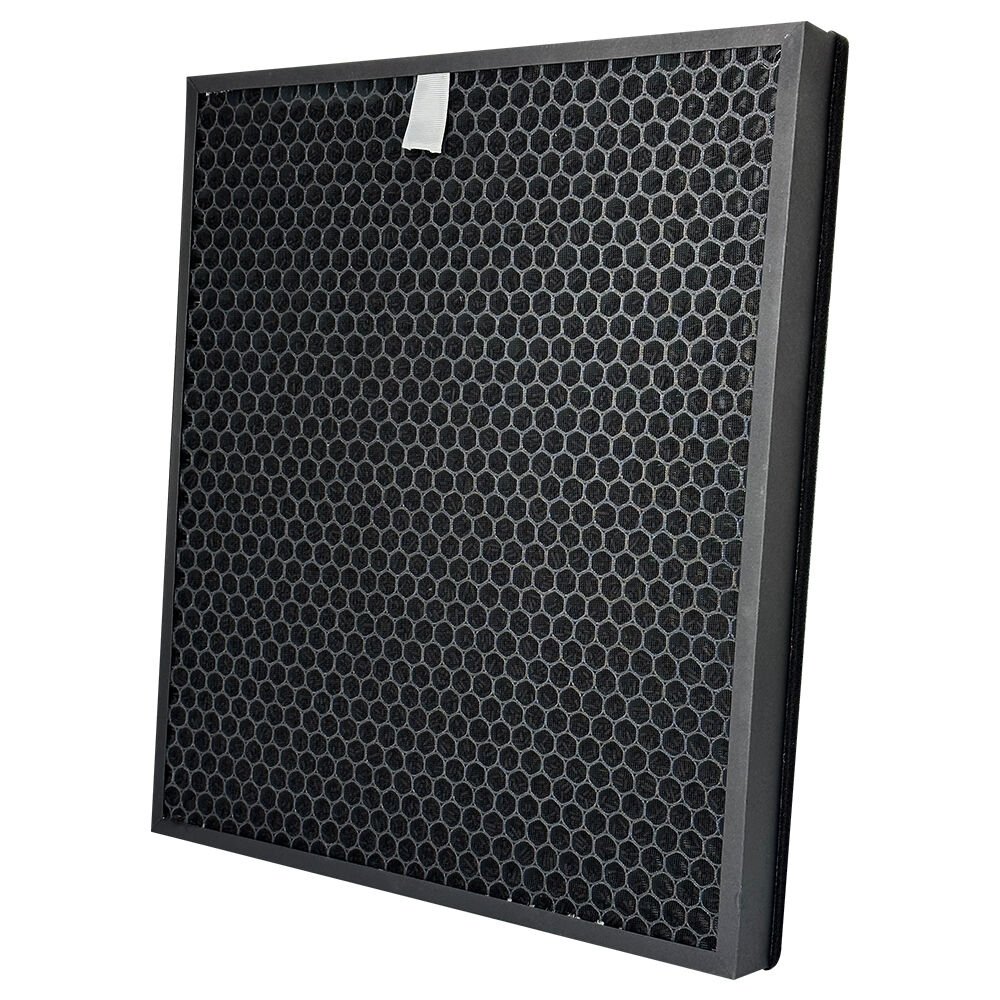
Selecting the appropriate kirby vacuum bag for your specific model is crucial for maintaining optimal cleaning performance and extending the lifespan of your vacuum cleaner. With numerous models and bag types available in the market, understanding the compatibility requirements and quality standards becomes essential for every homeowner. The right kirby vacuum bag not only ensures efficient dust collection but also prevents damage to your vacuum's internal components while maximizing suction power throughout your cleaning sessions.

Understanding Kirby Vacuum Bag Compatibility
Model-Specific Requirements
Each Kirby vacuum cleaner model requires a specific type of kirby vacuum bag designed to fit perfectly within the machine's housing system. The Heritage series, for instance, uses different bag specifications compared to the Avalir or Diamond Edition models. Understanding your vacuum's exact model number, typically found on the machine's housing or in the user manual, serves as the foundation for selecting the correct replacement bags. Mismatched bags can lead to poor suction performance, dust leakage, and potential damage to the vacuum's motor system.
The compatibility extends beyond simple size measurements to include attachment mechanisms, filtration layers, and airflow design characteristics. Modern kirby vacuum bag designs incorporate multiple filtration stages that work in harmony with the vacuum's internal systems. These specialized bags feature reinforced connection points that prevent tearing during installation and removal, ensuring consistent performance throughout their usage cycle.
Bag Capacity and Design Features
Different Kirby models accommodate varying bag capacities, ranging from standard residential sizes to larger commercial-grade options. The bag capacity directly impacts cleaning efficiency and determines how frequently replacements are needed during regular maintenance schedules. Professional cleaning services often prefer higher-capacity options to minimize interruptions during extended cleaning sessions across multiple rooms or commercial spaces.
Advanced kirby vacuum bag designs incorporate specialized materials that maintain structural integrity even when filled to capacity. These premium bags feature expandable sides that accommodate larger debris while maintaining optimal airflow patterns. The internal structure includes reinforcement zones that prevent premature rupturing, particularly important when cleaning areas with sharp debris or construction materials.
Quality Standards and Filtration Technology
Multi-Layer Filtration Systems
Premium kirby vacuum bag options utilize sophisticated multi-layer filtration technology that captures microscopic particles while maintaining consistent airflow throughout the cleaning process. These advanced systems typically incorporate three distinct filtration layers: an outer fabric layer for large debris, a middle synthetic layer for medium-sized particles, and an inner micro-filtration layer that traps allergens and fine dust particles. This comprehensive approach ensures maximum cleaning efficiency while protecting the vacuum's internal components from contamination.
The filtration efficiency of quality bags often exceeds standard household requirements, making them suitable for environments with specific air quality concerns. Medical facilities, daycare centers, and homes with allergy sufferers particularly benefit from high-efficiency kirby vacuum bag options that capture particles as small as 0.3 microns. These specialized bags maintain their filtration effectiveness throughout their entire usage cycle, preventing the gradual decline in air quality that occurs with lower-grade alternatives.
Material Durability and Construction
The construction materials used in manufacturing kirby vacuum bag products significantly impact their performance and longevity under various cleaning conditions. High-quality bags utilize tear-resistant synthetic materials that withstand the mechanical stress of debris impact while maintaining flexibility during installation and removal processes. These materials resist degradation from moisture exposure, temperature fluctuations, and chemical interactions with common household cleaning products.
Professional-grade bags often feature reinforced seam construction that prevents splitting along stress points during heavy-duty cleaning applications. The sealing mechanisms incorporate heat-welded joints rather than simple adhesive bonds, ensuring reliable closure throughout the bag's operational lifespan. This attention to construction detail becomes particularly important in commercial settings where vacuum bags encounter more demanding usage patterns and debris types.
Installation and Maintenance Best Practices
Proper Installation Techniques
Installing a kirby vacuum bag correctly ensures optimal performance and prevents common issues such as dust leakage, reduced suction power, and premature bag failure. The installation process begins with ensuring the vacuum is completely powered off and unplugged for safety purposes. Opening the bag compartment reveals the attachment mechanism, which varies slightly between different Kirby models but generally involves aligning the bag's collar with the suction inlet and securing it according to the manufacturer's specifications.
Attention to detail during installation prevents air leaks that compromise cleaning efficiency and potentially damage the vacuum's motor system. The bag should sit flush against the compartment walls without folding or crimping that could restrict airflow patterns. Professional technicians recommend gently expanding the bag within the compartment to ensure proper positioning before closing the housing and resuming normal operation.
Replacement Schedule and Monitoring
Establishing an appropriate replacement schedule for your kirby vacuum bag depends on usage frequency, debris types, and household conditions such as pet ownership or high-traffic areas. Residential users typically require bag replacement every 4-6 weeks under normal usage conditions, while commercial applications may necessitate more frequent changes depending on the cleaning intensity and debris volume encountered daily.
Visual inspection indicators help determine optimal replacement timing before bags reach capacity limits that could compromise performance. Most quality bags maintain their shape and suction efficiency until approximately 80% full, after which gradual decline becomes noticeable. Monitoring suction power during regular cleaning sessions provides early warning signs that replacement is approaching, allowing users to maintain consistent cleaning standards throughout their maintenance cycles.
Cost-Effectiveness and Performance Optimization
Bulk purchasing and Storage
Purchasing kirby vacuum bag supplies in bulk quantities offers significant cost savings for both residential and commercial users while ensuring consistent availability when replacements are needed. Bulk packages typically provide 20-50% savings compared to individual bag purchases, making this approach particularly attractive for high-usage environments. Proper storage conditions preserve bag quality during extended storage periods, requiring cool, dry environments away from direct sunlight and chemical exposure.
Commercial cleaning services often establish purchasing agreements with suppliers to maintain steady inventory levels while benefiting from volume discounts. These arrangements include regular delivery schedules that prevent supply shortages during peak cleaning periods. Residential users can participate in subscription services that automatically deliver replacement bags according to predetermined schedules, eliminating the inconvenience of emergency purchases when supplies run low unexpectedly.
Performance Comparison and Value Assessment
Evaluating kirby vacuum bag performance involves comparing filtration efficiency, capacity utilization, and durability characteristics across different product lines and price points. Premium bags often justify their higher initial cost through extended usage periods, superior filtration capabilities, and reduced maintenance requirements for the vacuum system. Cost-per-cleaning-hour calculations provide objective comparisons that account for both purchase price and operational lifespan differences between various bag options.
Performance optimization extends beyond simple bag selection to include proper usage techniques that maximize efficiency throughout each bag's operational cycle. Avoiding overfilling, preventing sharp debris damage, and maintaining proper installation alignment contribute to optimal performance while extending bag lifespan. These practices reduce overall cleaning costs while maintaining consistent cleaning quality across all applications and environments where Kirby vacuum systems operate effectively.
FAQ
How often should I replace my kirby vacuum bag?
The replacement frequency for your kirby vacuum bag depends on usage intensity and household conditions. For average residential use, replacement every 4-6 weeks maintains optimal performance. Homes with pets, high foot traffic, or frequent cleaning may require more frequent changes, potentially every 2-3 weeks. Monitor suction power and visual fullness indicators to determine the ideal timing for your specific situation, as waiting until bags are completely full can reduce cleaning efficiency and strain the motor system.
Can I use generic bags instead of genuine Kirby replacement bags?
While generic kirby vacuum bag alternatives exist, genuine Kirby bags are specifically engineered for optimal compatibility and performance with your vacuum model. Generic options may offer cost savings but could compromise filtration efficiency, fit quality, or durability. If choosing generic alternatives, ensure they meet the exact specifications for your model and provide adequate filtration capabilities. Quality generic bags from reputable manufacturers can perform satisfactorily, but verify compatibility and read user reviews before making purchasing decisions.
What are the signs that my kirby vacuum bag needs replacement?
Several indicators signal when your kirby vacuum bag requires replacement. Noticeable reduction in suction power is the primary warning sign, often accompanied by increased motor noise or strain. Visual inspection may reveal bags that appear 75-80% full, approaching their optimal capacity limit. Dust or debris escaping from the vacuum during operation indicates potential bag damage or overfilling. Strange odors during operation can suggest the bag has reached capacity or contains moisture that could damage the vacuum system if not addressed promptly.
How do I store unused kirby vacuum bags properly?
Proper storage of unused kirby vacuum bag supplies ensures they maintain quality and performance characteristics until needed. Store bags in their original packaging in a cool, dry location away from direct sunlight, extreme temperatures, and humidity. Avoid storage areas near cleaning chemicals, solvents, or other substances that could affect bag materials. Basement or utility room storage is often ideal, provided moisture levels remain low. Keep packages sealed until use to prevent dust accumulation or material degradation that could compromise filtration effectiveness when installed.