
 EN
EN
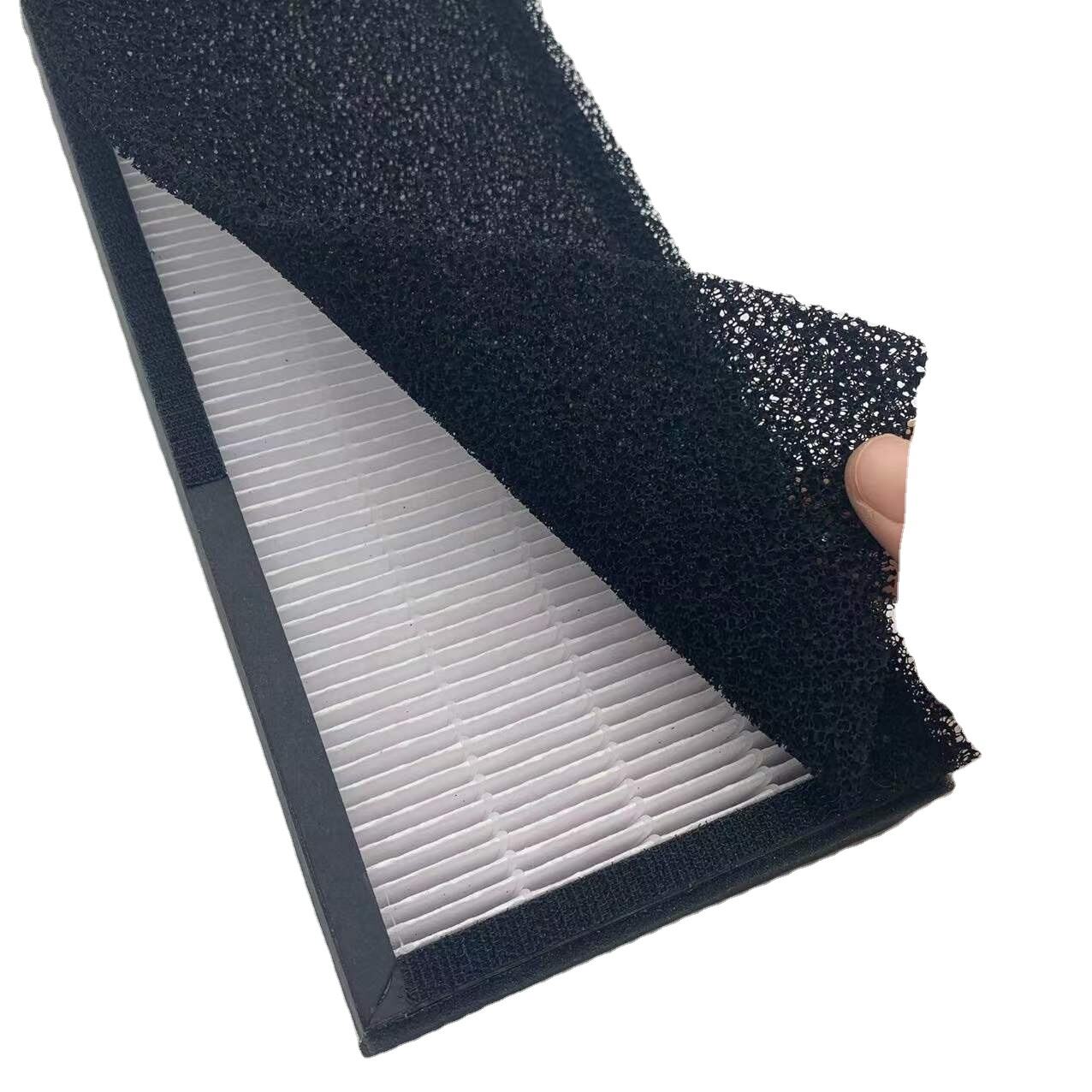
Maintaining optimal indoor humidity levels requires more than just owning a quality humidifier. The effectiveness of your moisture control system depends heavily on selecting the right humidifier filter for your specific device and environment. A properly functioning humidifier filter ensures clean, healthy air while maximizing the performance and longevity of your humidification equipment. Understanding the different types of filters available and their maintenance requirements can significantly impact your indoor air quality and overall comfort.
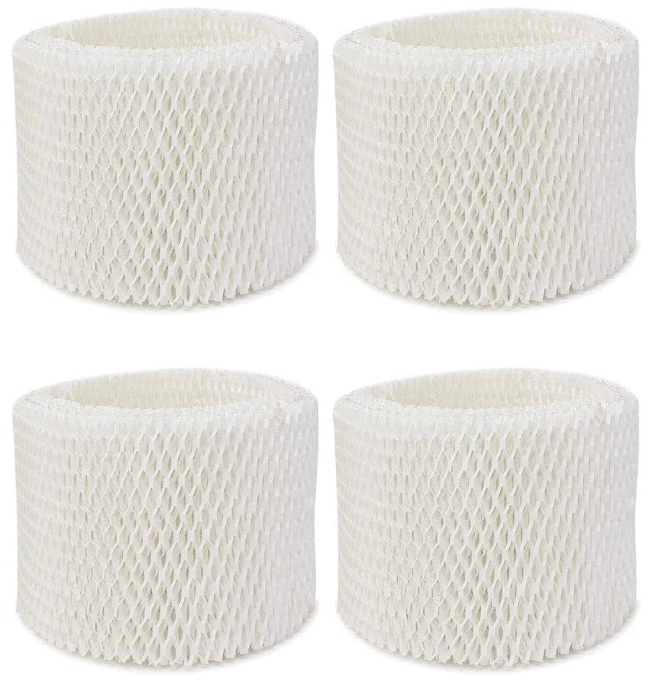
The selection process for humidifier filters involves considering multiple factors including compatibility with your specific model, filtration efficiency, and replacement frequency. Different humidifier brands and models require specific filter configurations to operate at peak performance. Regular filter replacement not only ensures optimal moisture distribution but also prevents the buildup of harmful bacteria and minerals that can compromise air quality and damage your equipment.
Understanding Humidifier Filter Types and Technologies
Wick Filter Systems and Their Applications
Wick filters represent one of the most common and effective filtration technologies used in evaporative humidifiers. These filters work by absorbing water from the reservoir and allowing air to pass through the moistened material, creating natural evaporation that adds humidity to your indoor environment. The wick design maximizes surface area contact between water and air, ensuring efficient moisture transfer while capturing impurities and minerals from the water supply.
The material composition of wick filters typically includes specially treated paper or fabric that can withstand constant moisture exposure without degrading quickly. High-quality wick filters feature antimicrobial treatments that inhibit bacterial and mold growth, protecting your indoor air quality. These filters are particularly effective in removing calcium deposits and other mineral buildup that can occur when using hard water in your humidifier system.
Replacement frequency for wick filters varies depending on water quality, usage patterns, and environmental conditions. Most manufacturers recommend replacing wick filters every 30 to 60 days during active use periods. Regular inspection of your humidifier filter can help determine the optimal replacement schedule, as visible discoloration or mineral buildup indicates the need for immediate replacement.
Advanced Filtration Technologies
Modern humidifier filter designs incorporate advanced materials and construction techniques to improve performance and extend operational life. Some filters feature multi-layer construction combining different filtration media to address various contaminants while maintaining optimal moisture transfer rates. These advanced systems often include activated carbon layers for odor removal and specialized synthetic materials for enhanced durability.
Antimicrobial coating technologies have revolutionized humidifier filter effectiveness by preventing bacterial and fungal growth within the filter media. These treatments remain active throughout the filter's operational life, continuously protecting against microorganism proliferation. The incorporation of silver ion technology in some premium filters provides additional antimicrobial protection while maintaining filter integrity.
Recent innovations in filter design include self-indicating replacement systems that change color when replacement is needed. These smart filter technologies eliminate guesswork from maintenance schedules and ensure optimal performance by providing clear visual indicators of filter condition. Such features are particularly valuable for commercial applications where consistent humidity control is critical.
Compatibility and Sizing Considerations
Brand-Specific Filter Requirements
Each humidifier manufacturer designs their systems with specific filter dimensions and mounting mechanisms, making compatibility a crucial consideration when selecting replacement filters. Popular brands like Honeywell, Kaz, Vicks, and others have developed proprietary filter designs that optimize performance for their particular humidifier configurations. Using the correct humidifier filter ensures proper fit, optimal airflow, and maximum efficiency from your moisture control system.
Cross-compatibility between different brands and models is limited, as filter dimensions, mounting systems, and material specifications vary significantly. However, some aftermarket manufacturers produce universal filters designed to fit multiple humidifier models, though performance may not match original equipment specifications. When selecting replacement filters, always verify compatibility with your specific humidifier model number to ensure proper function.
Professional-grade humidifier systems often require specialized filters with enhanced capacity and performance characteristics. These commercial applications demand filters with higher absorption rates, extended operational life, and superior contaminant removal capabilities. The investment in premium filters for commercial systems typically results in reduced maintenance costs and improved indoor air quality over time.
Sizing and Installation Guidelines
Proper filter sizing extends beyond simple dimensional measurements to include absorption capacity, airflow characteristics, and mounting compatibility. A correctly sized humidifier filter should fit snugly within the designated compartment without forcing or compression that could damage the filter structure. Loose-fitting filters may allow bypassing of untreated air, reducing overall system efficiency and moisture output.
Installation procedures vary among different humidifier models, but most systems feature straightforward replacement processes designed for user convenience. Proper installation requires ensuring the filter is fully seated in its mounting position and that all connections are secure. Incorrect installation can result in reduced performance, increased noise levels, and potential damage to the humidifier mechanism.
Orientation of the humidifier filter during installation affects performance and longevity. Many filters include directional indicators or markings to ensure correct positioning within the humidifier housing. Following manufacturer installation guidelines prevents premature filter failure and maintains optimal moisture distribution throughout your indoor space.
Performance Optimization and Maintenance
Maximizing Filter Efficiency
Achieving optimal performance from your humidifier filter requires attention to water quality, operating conditions, and maintenance practices. Using distilled or demineralized water significantly extends filter life by reducing mineral buildup that can clog filter media and reduce absorption capacity. The quality of input water directly affects both filter longevity and the cleanliness of humidified air output.
Environmental factors such as ambient temperature, existing humidity levels, and air circulation patterns influence filter performance and replacement frequency. Operating humidifiers in extremely dry conditions may require more frequent filter changes due to increased mineral concentration as water evaporates. Monitoring these conditions helps establish appropriate maintenance schedules for your specific application.
Regular cleaning of the humidifier reservoir and surrounding components prevents contamination that could reduce filter effectiveness. Bacterial and mineral buildup in the water chamber can transfer to the humidifier filter, shortening its operational life and potentially introducing contaminants into your indoor air supply.
Troubleshooting Common Filter Issues
Identifying and addressing common humidifier filter problems ensures consistent performance and prevents more serious system issues. Reduced moisture output often indicates filter saturation with minerals or contaminants, requiring immediate replacement. Other symptoms of filter problems include unusual odors, visible discoloration, or changes in operating noise levels from your humidifier system.
Premature filter degradation can result from poor water quality, excessive operating temperatures, or contamination from external sources. Addressing these underlying causes prevents recurring filter problems and reduces long-term maintenance costs. Regular inspection schedules help identify developing issues before they impact system performance or indoor air quality.
White dust accumulation around your humidifier typically indicates mineral buildup within the filter or reservoir system. This condition not only reduces filter efficiency but can also distribute mineral particles throughout your indoor environment. Implementing proper water treatment and filter maintenance protocols effectively prevents white dust formation and maintains clean air quality.
Economic and Environmental Considerations
Cost-Effective Filter Management
Developing a cost-effective approach to humidifier filter replacement involves balancing filter quality, replacement frequency, and overall system performance. While premium filters may have higher initial costs, their extended operational life and superior performance often result in lower total cost of ownership compared to budget alternatives. Calculating the true cost per day of operation helps determine the most economical filter choice for your specific application.
Bulk purchasing of humidifier filters can provide significant cost savings, particularly for commercial applications or households with multiple humidifier units. Many suppliers offer quantity discounts that reduce per-unit costs while ensuring adequate inventory for regular replacement schedules. Planning filter purchases around seasonal demand patterns can also result in additional savings.
Energy efficiency improvements from properly maintained filters contribute to overall operational cost reduction. Clean, efficient filters require less energy to achieve target humidity levels, reducing electricity consumption and extending humidifier motor life. These indirect cost savings often exceed the expense of regular filter replacement over the equipment's operational lifetime.
Environmental Impact and Sustainability
The environmental impact of humidifier filter disposal has led to increased interest in sustainable filtration options and responsible disposal practices. Many modern filters incorporate biodegradable materials that break down naturally when disposed of properly. Selecting environmentally friendly filter options supports sustainability goals while maintaining effective moisture control performance.
Recycling programs for used humidifier filters are becoming more available through manufacturer take-back initiatives and specialized waste management services. These programs prevent filter materials from entering general waste streams while potentially recovering valuable materials for reuse in other applications. Participating in recycling programs demonstrates environmental responsibility while supporting circular economy principles.
Extended filter life through proper maintenance and optimal operating conditions reduces overall environmental impact by decreasing replacement frequency and associated packaging waste. Implementing best practices for filter care maximizes the useful life of each humidifier filter while maintaining peak performance throughout its operational period.
FAQ
How often should I replace my humidifier filter
The replacement frequency for humidifier filters typically ranges from 30 to 60 days during active use, depending on water quality, operating conditions, and filter type. Hard water areas may require more frequent replacements due to increased mineral buildup, while using distilled water can extend filter life. Visual inspection of the filter for discoloration, mineral deposits, or reduced moisture output provides the best indication of when replacement is needed.
Can I clean and reuse my humidifier filter
Most humidifier filters are designed for single-use and cannot be effectively cleaned for reuse. Attempting to clean filters may damage the filtration media or fail to remove accumulated contaminants and minerals. Some permanent filters are designed for cleaning, but these are typically found in commercial systems and require specific cleaning procedures. Always consult your humidifier manual to determine if your filter type is designed for cleaning or single-use replacement.
What happens if I use the wrong filter in my humidifier
Using an incorrect humidifier filter can result in reduced performance, poor fit, inadequate moisture output, and potential damage to your humidifier system. Wrong-sized filters may not seal properly, allowing untreated air to bypass the filtration system and reducing overall efficiency. Additionally, incompatible filters may not absorb water properly or could interfere with internal components, leading to operational problems and potentially voiding your warranty.
Why does my humidifier filter develop a smell
Unpleasant odors from humidifier filters typically indicate bacterial or mold growth within the filter media, often caused by using contaminated water, infrequent filter changes, or inadequate cleaning of the humidifier reservoir. Stagnant water conditions and warm temperatures create ideal conditions for microorganism growth. Preventing odors requires regular filter replacement, using clean water, and maintaining proper hygiene in all humidifier components.