
 EN
EN



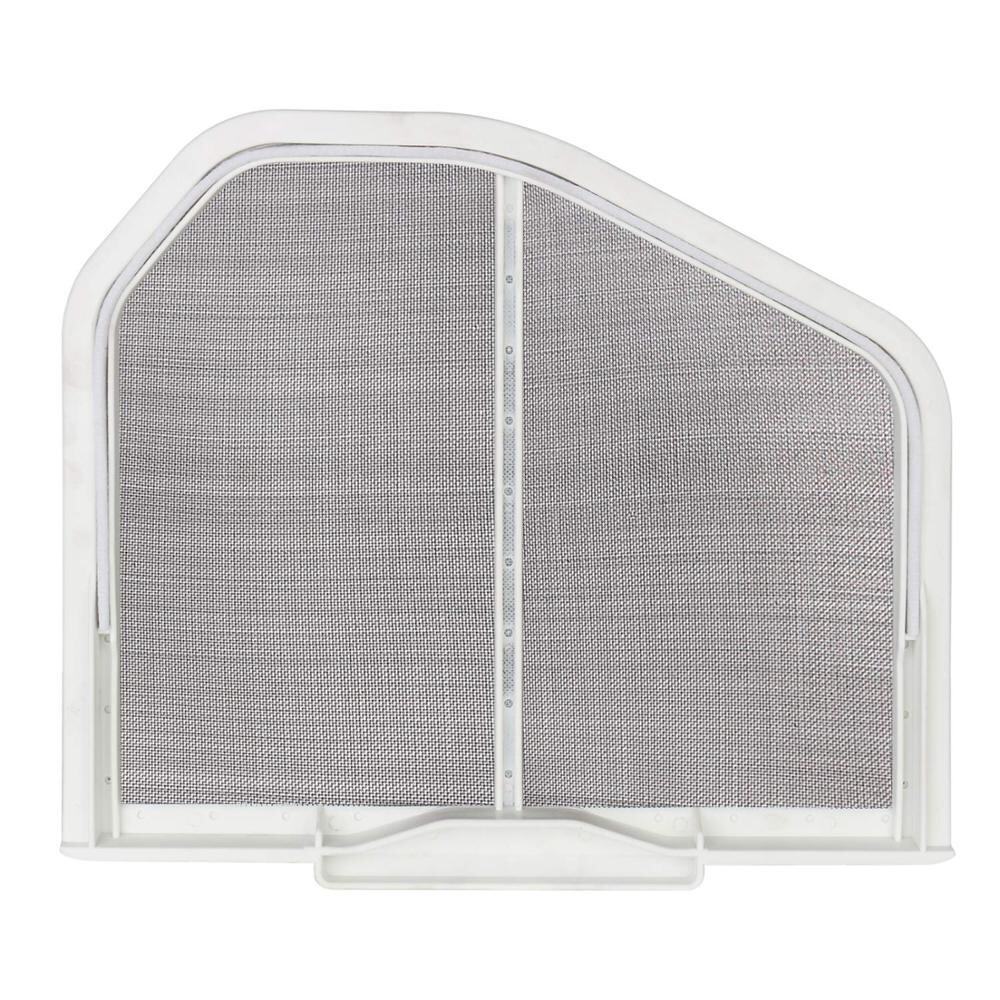
Proper maintenance of your dryer's lint filtering system is essential for safe and efficient operation. The lg dryer lint filter plays a crucial role in capturing fabric fibers and debris during the drying cycle, preventing them from accumulating in the dryer vent system. Regular cleaning and maintenance of this component not only improves drying performance but also reduces fire risks and extends your appliance's lifespan. Understanding how to properly care for your lg dryer lint filter ensures optimal functionality and energy efficiency throughout your dryer's operational life.
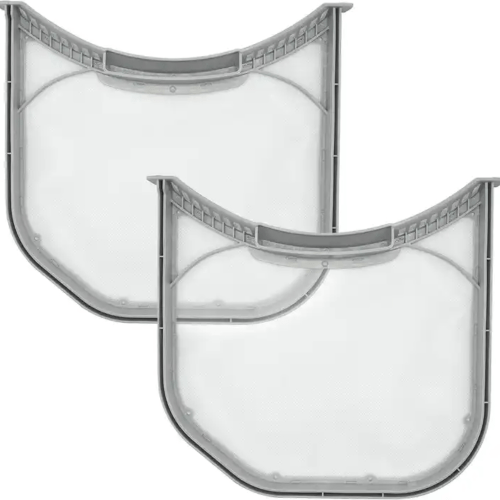
Understanding Your LG Dryer Lint Filter System
Components and Location
The lg dryer lint filter consists of a fine mesh screen housed within a plastic or metal frame designed to trap lint and fabric particles. Most LG dryers position this filter in the door opening or inside the dryer drum area for easy access. The filter's strategic placement allows it to capture debris before it enters the internal ductwork, protecting both the heating elements and exhaust system from blockages that could compromise performance.
Modern LG dryer models feature improved lg dryer lint filter designs with enhanced mesh density and larger surface areas for better particle capture. The filter frame typically includes tabs or handles for convenient removal and installation. Some advanced models incorporate indicator systems that alert users when the filter requires cleaning, helping maintain optimal airflow and preventing lint buildup that could lead to longer drying times or potential safety hazards.
Function and Importance
The primary function of the lg dryer lint filter involves intercepting loose fibers and particles that separate from clothing during the tumbling and heating process. This filtration prevents debris from entering the exhaust vent system where it could accumulate and create blockages. A properly functioning filter maintains adequate airflow throughout the dryer, ensuring efficient moisture removal and consistent heating performance across all fabric types and load sizes.
Beyond performance benefits, a clean lg dryer lint filter significantly reduces fire risks associated with lint accumulation in heating areas. The National Fire Protection Association reports that failure to clean dryer filters contributes to thousands of residential fires annually. Regular filter maintenance also prevents strain on the dryer motor and heating elements, reducing energy consumption and extending component lifespan while maintaining manufacturer warranty coverage.
Step-by-Step Cleaning Process
Pre-Cleaning Preparation
Before beginning the cleaning process, ensure your dryer has completed its cycle and cooled completely to prevent burns from hot surfaces. Disconnect the dryer from its power source by unplugging the electrical cord or switching off the circuit breaker for safety. Gather necessary cleaning supplies including a vacuum with brush attachment, soft-bristled brush, mild detergent, and clean towels for thorough lg dryer lint filter maintenance.
Open the dryer door and locate the lg dryer lint filter, typically positioned at the door opening or inside the drum. Note the filter's orientation and installation method to ensure proper reinstallation after cleaning. Check surrounding areas for visible lint accumulation that may have bypassed the filter, as this indicates the need for more frequent cleaning or potential filter replacement due to mesh damage or warping.
Removal and Initial Cleaning
Carefully remove the lg dryer lint filter by grasping the handle or tabs and pulling straight out to avoid damaging the mesh or frame. Inspect the filter for tears, holes, or bent areas that could compromise its effectiveness. Use your fingers or a soft brush to remove the bulk of accumulated lint, working from top to bottom to prevent debris from falling into the dryer cavity.
For heavily soiled filters, use a vacuum with brush attachment to remove stubborn lint particles embedded in the mesh. Pay particular attention to corners and edges where lint tends to accumulate more densely. Avoid using excessive force that could damage the delicate mesh material, as a damaged lg dryer lint filter requires immediate replacement to maintain proper filtration and safety standards.
Deep Cleaning Techniques
Water and Detergent Method
For thorough cleaning, rinse the lg dryer lint filter under warm running water, allowing the water to flow from the back side forward to flush out embedded particles. Apply a small amount of mild liquid detergent to a soft brush and gently scrub both sides of the mesh, focusing on areas with visible residue or fabric softener buildup. The detergent helps break down waxy deposits from dryer sheets and fabric softeners that can clog mesh openings over time.
Continue scrubbing until water runs clear through the mesh, indicating complete removal of lint and residue. Avoid using harsh chemicals, bleach, or abrasive cleaners that could damage the filter material or leave harmful residues. The lg dryer lint filter should move water freely through all mesh areas when properly cleaned, ensuring optimal airflow performance when reinstalled in the dryer unit.
Drying and Inspection
After washing, shake excess water from the lg dryer lint filter and pat dry with clean towels. Allow the filter to air dry completely before reinstallation, as moisture trapped in the mesh can promote mold growth or interfere with lint capture efficiency. Position the filter in a well-ventilated area away from direct heat sources that could warp the plastic components or damage the mesh material.
While the filter dries, inspect it thoroughly under good lighting for any signs of damage, wear, or deterioration. Look for holes, tears, or areas where the mesh has separated from the frame, as these defects compromise filtration effectiveness. A damaged lg dryer lint filter should be replaced immediately rather than attempting repairs, as improper filtration can lead to lint accumulation in dangerous areas of the dryer system.
Maintenance Best Practices
Cleaning Frequency Guidelines
Clean your lg dryer lint filter after every load to maintain optimal performance and safety standards. This frequent cleaning prevents lint buildup that can restrict airflow and force the dryer to work harder, increasing energy consumption and wear on mechanical components. For households with heavy dryer usage, consider performing deep cleaning with water and detergent weekly to remove fabric softener residues and embedded particles.
Monitor drying times and performance as indicators of filter condition, as longer drying cycles often signal the need for more thorough cleaning or filter replacement. Clothes that remain damp after normal cycles or develop a musty odor may indicate inadequate airflow due to a clogged lg dryer lint filter. Additionally, visible lint on clothing after drying suggests the filter is not capturing particles effectively and requires immediate attention.
Storage and Handling Tips
When handling the lg dryer lint filter, always support both the frame and mesh to prevent bending or stress that could cause separation or tearing. Store replacement filters in their original packaging in a clean, dry location away from chemicals or sharp objects that could cause damage. Keep filters flat or properly supported to prevent warping that could interfere with proper installation and sealing.
Avoid exposing lg dryer lint filter components to extreme temperatures during storage, as both heat and cold can make plastic frames brittle and prone to cracking. If purchasing replacement filters, verify part numbers and compatibility with your specific LG dryer model to ensure proper fit and function. Maintaining a spare filter allows for continuous dryer operation while one filter undergoes deep cleaning or drying.
Troubleshooting Common Issues
Performance Problems
If your dryer continues to show poor performance despite regular lg dryer lint filter cleaning, investigate potential issues with the exhaust vent system or internal ductwork. Blocked external vents, kinked exhaust hoses, or accumulated lint in transition ducts can create backpressure that affects drying efficiency even with a clean filter. Schedule professional vent cleaning annually or whenever performance issues persist despite proper filter maintenance.
Unusual noises during operation may indicate that the lg dryer lint filter is not properly seated or that debris has bypassed the filter and entered the blower housing. Stop the dryer immediately and inspect the filter installation, ensuring it sits flush against all sealing surfaces. Check for visible lint accumulation around the filter housing that could prevent proper sealing and allow debris to bypass the filtration system.
Installation and Fit Issues
Ensure the lg dryer lint filter is oriented correctly during installation, matching any directional indicators or asymmetrical features with the corresponding dryer housing. Improper installation can create gaps that allow lint to bypass the filter, leading to accumulation in dangerous areas of the dryer system. The filter should slide in smoothly without forcing and sit flush with surrounding surfaces when properly installed.
If the lg dryer lint filter feels loose or doesn't seat properly, inspect both the filter frame and dryer housing for damage, warping, or debris that could interfere with proper fit. Clean the housing area thoroughly and check for bent tabs or damaged mounting points that could prevent secure installation. A loose or improperly fitted filter compromises safety and performance, requiring immediate correction or component replacement.
Safety Considerations
Fire Prevention
Maintaining a clean lg dryer lint filter is crucial for fire prevention, as accumulated lint near heating elements creates significant fire risks. The Consumer Product Safety Commission reports that blocked lint filters contribute to approximately 2,900 dryer fires annually in the United States. Never operate your dryer without the filter properly installed, as this allows lint to accumulate throughout the internal system where it can contact hot surfaces.
Replace damaged lg dryer lint filter components immediately rather than attempting temporary repairs, as compromised filtration increases fire risks exponentially. Install smoke detectors near laundry areas and ensure your home's fire extinguisher is accessible and current. Consider professional dryer inspection services if you notice excessive lint accumulation, burning odors, or other signs that suggest filtration problems beyond normal maintenance requirements.
Electrical Safety
Always disconnect power before performing any lg dryer lint filter maintenance to prevent electrical shock or accidental activation during cleaning. Use the appliance's electrical disconnect or unplug the power cord completely rather than relying on control settings to ensure complete power isolation. Never attempt to clean or service the filter while the dryer is connected to power, even if the unit appears to be off.
Ensure your hands and the lg dryer lint filter are completely dry before reconnecting power and resuming operation. Moisture on electrical components or connections can create shock hazards or damage sensitive electronic controls. If you notice any electrical issues during filter maintenance, such as damaged wiring or loose connections, contact qualified service technicians rather than attempting repairs yourself.
FAQ
How often should I replace my lg dryer lint filter
Replace your lg dryer lint filter when you notice tears, holes, or warping that compromises its filtering ability, typically every 12-18 months with regular use. However, replacement frequency depends on usage patterns, load types, and maintenance quality. Filters subjected to heavy use or inadequate cleaning may require more frequent replacement to maintain proper filtration and safety standards.
Can I use my dryer without the lint filter temporarily
Never operate your dryer without the lg dryer lint filter installed, as this creates serious fire hazards and can damage internal components. Even brief operation without proper filtration allows lint to accumulate throughout the dryer system, potentially contacting heating elements or blocking airflow paths. Always ensure the filter is properly installed before starting any drying cycle.
What causes my lg dryer lint filter to clog quickly
Rapid clogging of your lg dryer lint filter often results from overloading, using excessive fabric softener, or drying heavily lint-producing fabrics like towels and blankets together. Fabric softener sheets can leave waxy residues that trap lint more effectively, requiring more frequent deep cleaning. Consider reducing load sizes and alternating fabric types to minimize lint production and extend filter cleanliness.
Why does my dryer still leave lint on clothes after cleaning the filter
Lint remaining on clothes despite a clean lg dryer lint filter may indicate exhaust system blockages, damaged filter mesh, or improper installation. Check that the filter sits properly in its housing and inspect the mesh for holes or tears. Additionally, verify that external vents are clear and that the exhaust system allows proper airflow throughout the entire drying cycle.